Last updated November 23, 2026
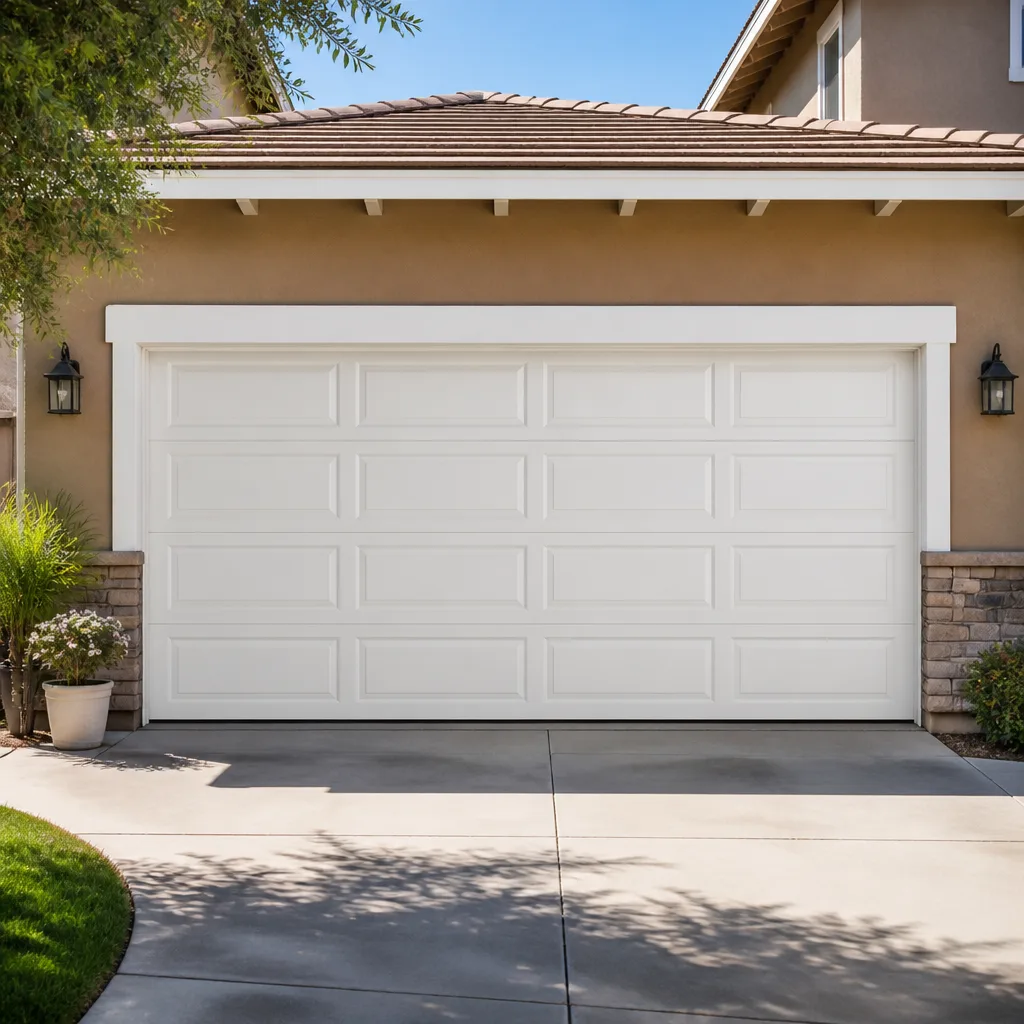 Raised-panel steel
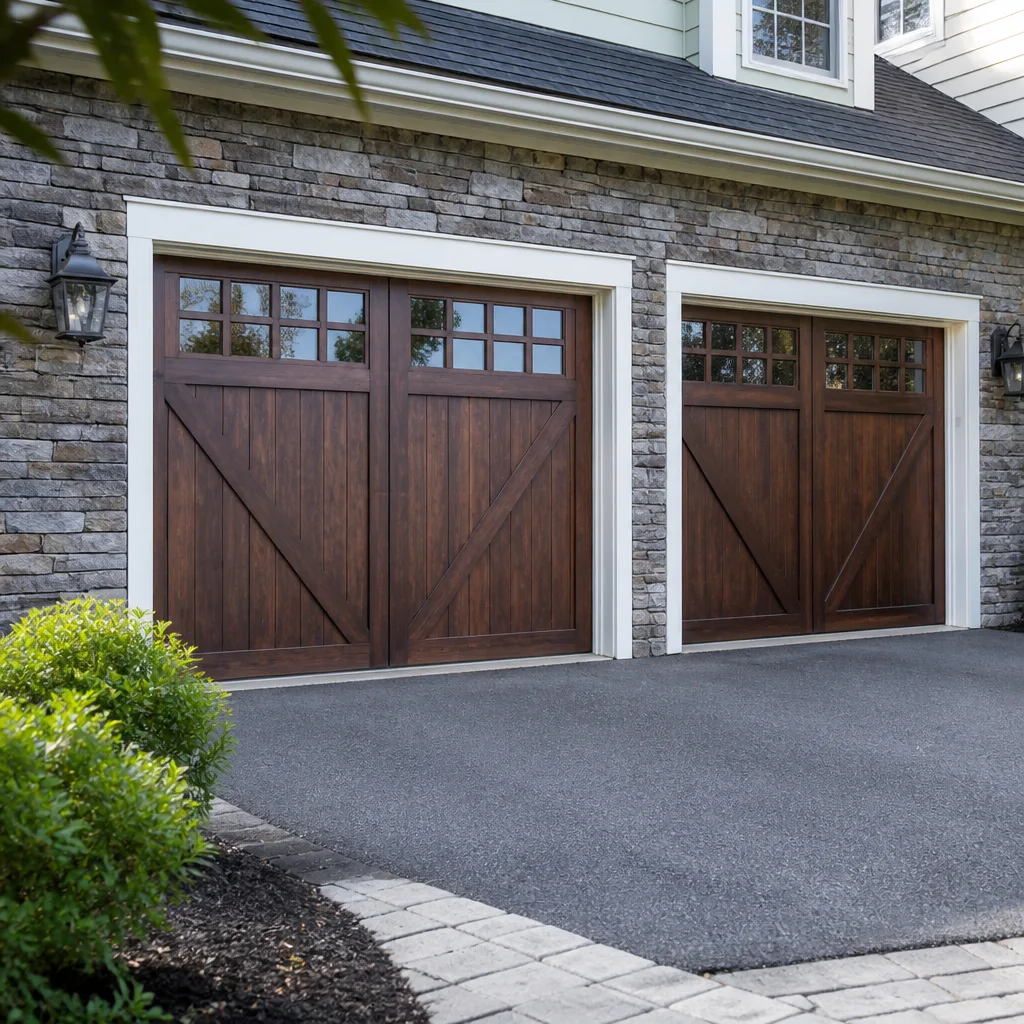 Carriage house
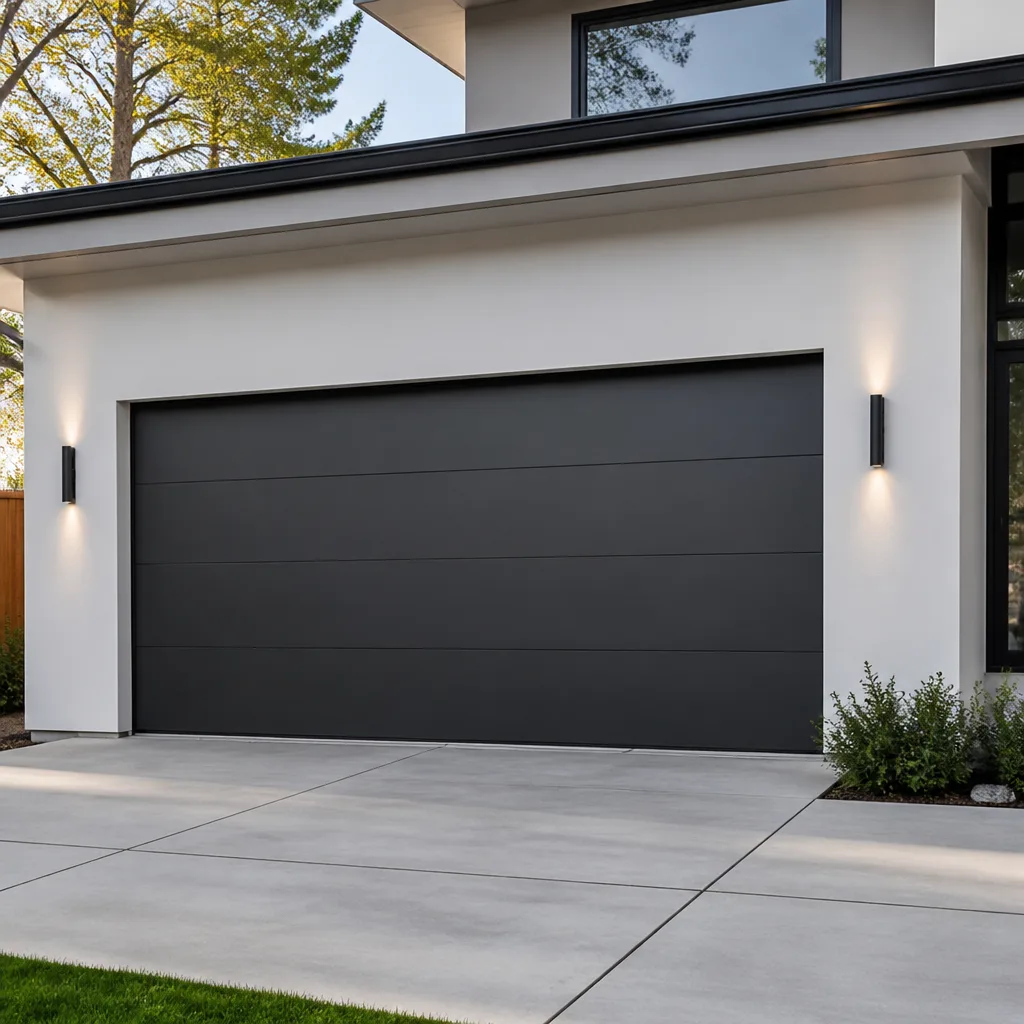 Modern flush
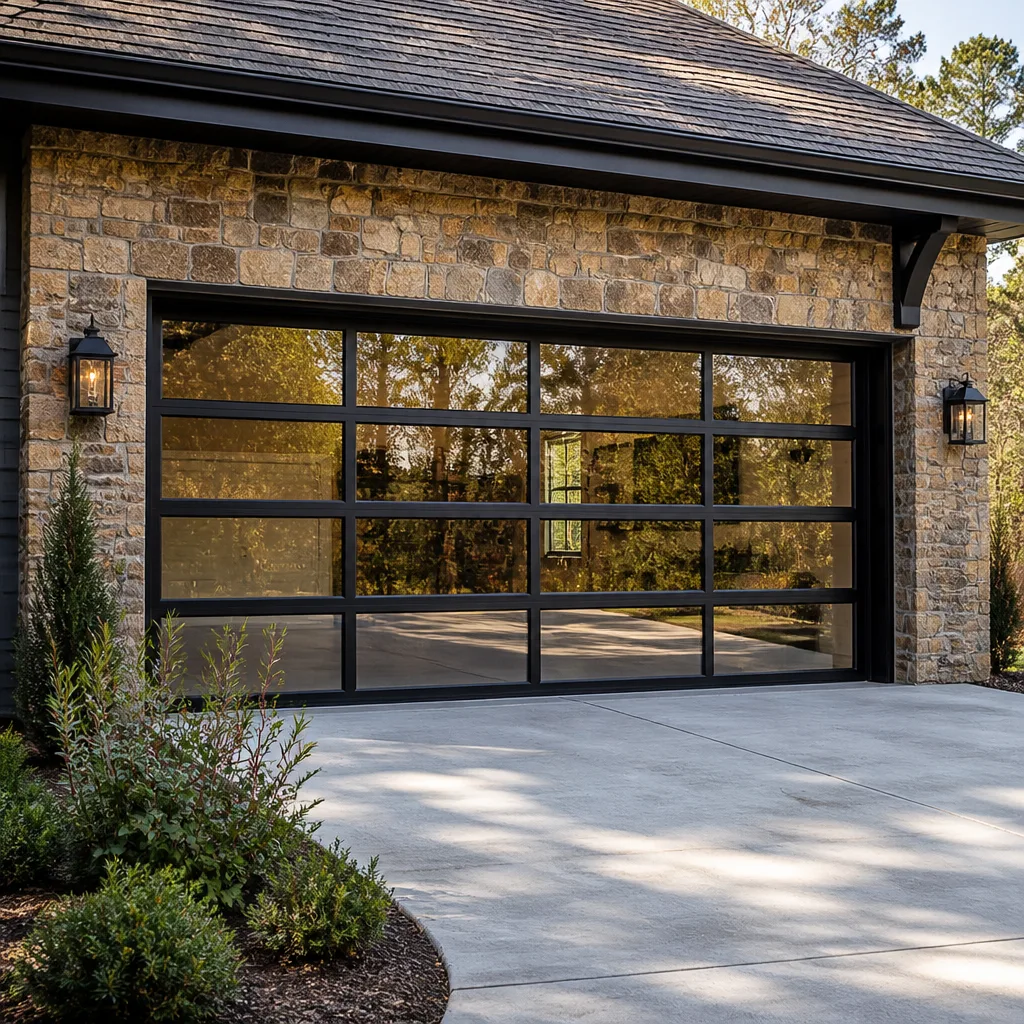 Full-view glass
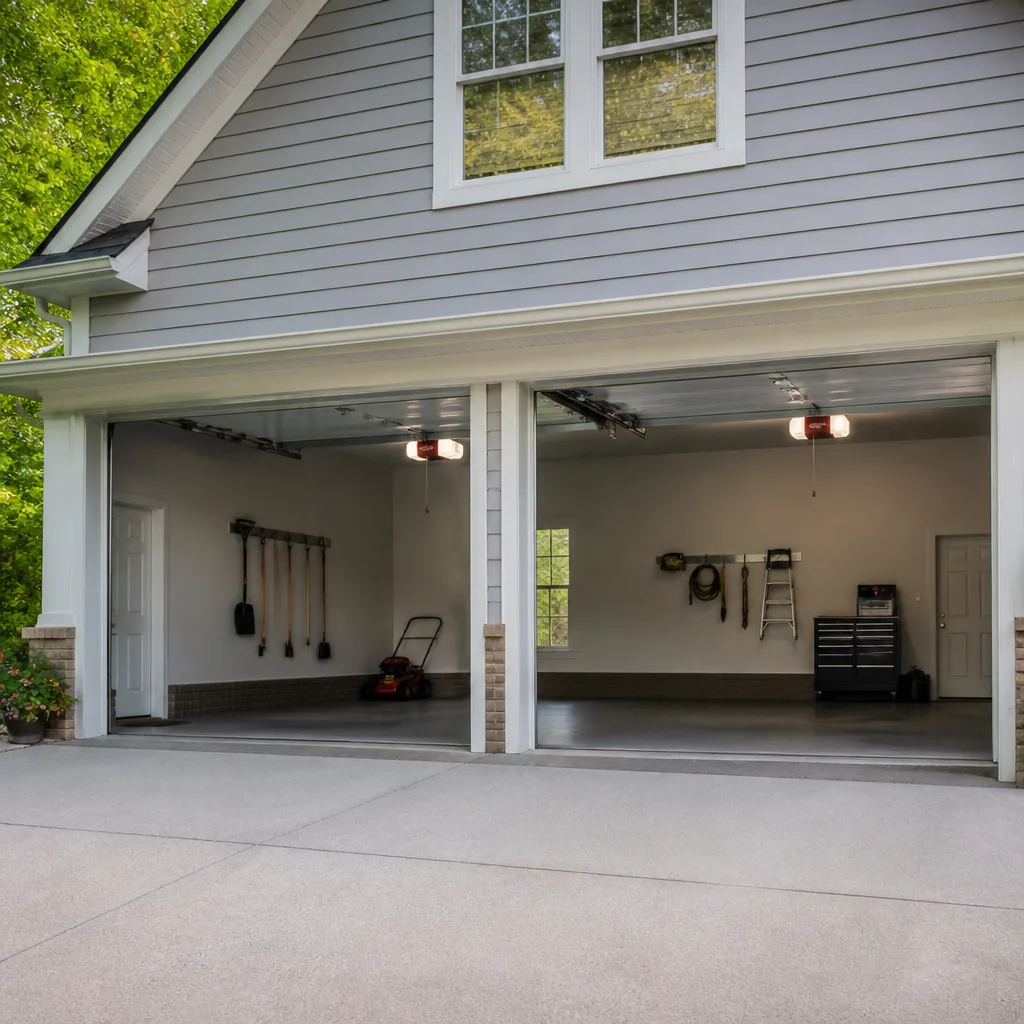 LiftMaster openers
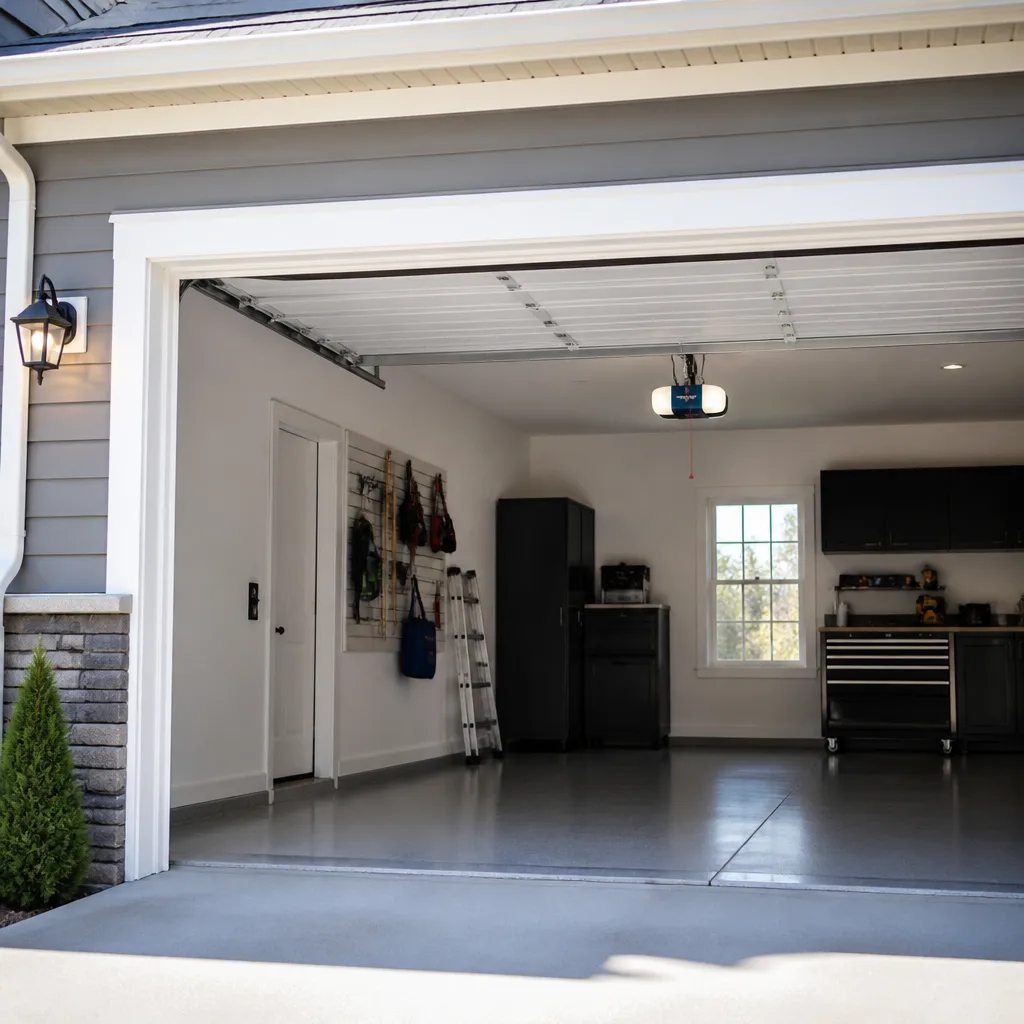 Chamberlain openers
Full 25-point door and opener safety check with every visit - springs, cables, rollers, tracks, and your LiftMaster or Chamberlain opener included
You get a price before we start. It does not change when the pro arrives.
Get your free estimateThe Complete Guide to Garage Doors in Ballard
Most garage door problems start long before the spring snaps or the opener quits. They start with the opening itself. Ballard has a housing mix that breaks the rules most garage door dealers build their business around. Between the pre-war bungalows, the Craftsmans, the 1960s ramblers, and the narrow-lot infill going up on side streets, a surprising number of garages here were never built to the 8×7 or 9×7 dimensions that today’s catalogs assume. Measure wrong and you’ll spend more correcting the opening than you spent on the door. This guide walks through sizing, materials, insulation, openers, and permits as they actually apply to Ballard homes, so you can buy once and buy right.
Quick Answer
Garage door work in Ballard comes down to three things: confirming your opening’s real dimensions before you order anything, choosing a material and insulation level that suits the wet, cool climate and the age of your house, and knowing when a repair makes sense versus a full replacement. Most repairs (springs, cables, rollers, openers) are straightforward and can be quoted on the spot. Replacements and new installations require a proper measure and a written price, because nothing gets ordered until the opening is verified.
Table of Contents
- Why Ballard Garages Break the Standard Sizing Rules
- The Garage Door Lifecycle: What You’re Actually Buying Into
- Materials and Insulation for Ballard’s Climate
- Choosing an Opener in a Smart-Home Era
- The Brand Landscape in Ballard Garages
- Permits and Code for Replacement vs. New Installation
- Repairs You’ll Face and What They Cost
- What You Can Safely Check Yourself
Why Ballard Garages Break the Standard Sizing Rules
Our technicians have up to 10 years of experience, and one of the first things they learn in this neighborhood is that a tape measure beats an assumption. Ballard’s housing stock splits into three distinct sizing and clearance scenarios, each with its own set of constraints.
Scenario 1: Pre-WWII Bungalows and Craftsmans
Many of the detached garages behind early-1900s homes were built for cars that were far smaller, and often built by hand rather than from a plan. That means slightly out-of-square openings, headers that sit lower than you’d expect, and ceiling heights that leave no room for a standard torsion setup. A 7-foot-tall opening measured at the left corner might be 6 feet 10 inches at the right. If you order a door to the nominal size without checking, it won’t close cleanly.
Scenario 2: 1960s Ramblers and Mid-Century Attached Garages
These tend to be closer to standard: often a true 16×7 double door, sometimes a 9×7 single. Framing is more uniform, and ceiling clearance is usually adequate. The issues here are more often aging than geometry: original wood jambs that have absorbed decades of rain, sagging headers, or an opener that’s been carrying a door far past its service life.
Scenario 3: Modern Infill and Narrow-Lot Builds
New construction on Ballard’s tight lots often trades garage width for living space. You’ll see narrow single openings, low-clearance ceilings with living space above, and side-mount openers used specifically because a ceiling-mounted rail wouldn’t fit. Clearance is the whole game here. A torsion spring rated for the door weight, mounted on the jackshaft, solves problems that a chain-drive opener simply can’t.
In all three scenarios, the rule is the same: measure the opening at multiple points and check the clearance above, behind, and to the sides before a single door or opener is ordered.
The Garage Door Lifecycle: What You’re Actually Buying Into
A garage door isn’t a single purchase. It’s a system with a predictable service life, and understanding the sequence saves you money and frustration. Here’s how a typical Ballard door goes through its life:
- Initial installation. The door, tracks, springs, and opener are installed and balanced. If the door and opener are properly matched, you’ll get years of quiet, low-maintenance service.
- Minor adjustments. Rollers wear, hinges loosen, and the door may drift out of balance over time. These are quick fixes that keep the door operation smooth.
- Opener service or replacement. Openers typically outlast the door but not by much. Gear wear, logic-board failure, and safety-sensor problems are common as openers age. Replacement is a good time to upgrade to a quiet belt drive or a smart-connected unit.
- Cable and roller replacement. Cables fray and rollers flatten. These are wear items, and catching them early prevents the more serious failure.
- Spring replacement. Torsion and extension springs carry the door’s entire weight. They’re the most cycled part of the system and eventually break. This is a routine service for a trained technician and a genuinely dangerous one for anyone else.
- Panel swap or full door replacement. Damage or age eventually catches up. If a few panels are rusted or dented, a panel swap extends the door’s life. If the panels are discontinued or the whole door is failing, replacement is the better value.
Understanding this sequence means you stop thinking of maintenance as an unnecessary expense and start treating it as a way to make each stage last longer. You can read more about the individual repair stages in our garage door repair page if you need to diagnose a specific symptom.
Materials and Insulation for Ballard’s Climate
Ballard sits in a cool, wet climate with a long rainy season and mild summers. That combination pushes material and insulation choices in a specific direction, and it’s different from what a dry or hot region would prioritize.
Steel Doors
Steel is the most common choice in Ballard garages, and for good reason. It handles the wet season well when properly finished, resists warping, and comes in insulated options at reasonable cost. If you’re replacing an older wood door, a steel door with a good factory finish is usually the most practical upgrade.
Wood and Wood-Composite Doors
Wood looks right on a pre-war bungalow and many Ballard homeowners want to match the house’s character. A wood or wood-composite door can do that, but it requires more maintenance in this climate: repainting or resealing regularly to keep moisture out. Left unsealed, wood absorbs rain and swells or rots at the bottom panel. If you go wood, plan for the upkeep.
Insulation: Why It Matters Here
A single-layer steel door lets heat out and moisture in. In a wet climate, condensation on an uninsulated door is a real issue, especially if the garage is attached to the living space. An insulated door (with an R-value rated by the manufacturer, which we’ll leave to the product spec) helps moderate the garage temperature and reduces condensation. If you’ve converted part of the garage into a workshop or mudroom, insulation becomes close to mandatory.
Finish and Humidity
Rain sweeping in, not airborne salt, is the main enemy. Keep the bottom weather seal and side seals in good shape, and make sure water drains away from the garage opening. A little attention to drainage and sealing goes a long way toward keeping the door’s finish intact.
Choosing an Opener in a Smart-Home Era
Opener choice in Ballard has become more interesting as smart-home integration has spread. There are two broad families, and the right one depends on the rest of your setup.
The Main Options
- Smart-home-integrated openers. LiftMaster and the Chamberlain/myQ ecosystem are the names you’ll see most. They pair with apps and home automation, give you remote status and control, and often work with in-car systems. If you want to check whether the door is closed without walking out in the rain, this is the family to look at.
- Legacy workhorses. Craftsman and Genie units have been installed in Ballard garages for decades and are still common. Parts are usually available, and a Genie or Craftsman opener can often be repaired rather than replaced when the problem is a worn gear or a failed sensor.
- Quiet drives. Belt-drive openers run much quieter than chain drive. If the garage is under a bedroom or next to a living area (common in narrow-lot builds), belt drive is worth the upgrade.
- Side-mount openers. Jackshaft or side-mount units solve low-ceiling problems. They mount beside the door instead of overhead, which is exactly what you need in a modern infill build with living space above the garage.
Matching the opener to the door matters. A heavy insulated door wants a stronger opener with the right torque; a light single door doesn’t need a commercial-grade unit. When an opener fails, the cause matters too: a logic-board fault or a stripped gear is a repair, but a motor burned out from straining against an out-of-balance door means the door needs attention first. Our garage door opener repair page goes deeper on diagnosis, and it’s worth reading before you replace a unit that might only need a part.
The Brand Landscape in Ballard Garages
Walk through enough Ballard garages and you start to see the same names. The exact mix depends on the age of the house, but a handful of brands cover most of what’s out there.
- Clopay and Amarr are widely installed as replacement doors, and their panels and hardware are generally well supported.
- Wayne Dalton shows up on older installs and is common on mid-century homes. Its mechanical systems are familiar to technicians who work on legacy doors.
- Genie and Craftsman dominate the older opener population, and their remotes and parts are readily available.
- LiftMaster and Chamberlain show up on newer homes and on any home where the owner has upgraded to a smart opener.
- Raynor appears occasionally, usually on doors installed a while back, and is worth knowing because its hardware has its own quirks.
The practical point is that a good garage door specialist should work on whatever is already installed, not insist you swap to a preferred brand. We’re familiar with the major brands in Ballard garages, and keeping parts on hand for the common ones reduces the wait time that comes from having to order a component from a third party. If you’re in the middle of a project and need a specific part, ask what’s stocked before you assume a delay.
Permits and Code for Replacement vs. New Installation
Permit requirements are one of the most common causes of a stalled garage door project in Ballard, and the rules split between replacement and new installation. The City of Seattle controls permitting here, and the safest course is always to confirm with the city’s building department before work begins.
Replacement (Same Size, Same Location)
Replacing a door and opener in the same opening, at the same dimensions, is usually the simpler case. Many replacements of this kind don’t require a full structural permit, but that’s a determination your city makes, not something to assume. Ask the building department whether a permit is needed for your specific project.
New Installation or Enlarged Opening
Cutting a new opening, enlarging an existing one, or building a new garage structure is a different matter. That’s structural work and almost always triggers a permit and inspection. If you’re adding a garage to a Ballard home or changing the opening size, plan the permit timeline into the project. A door that has to be reframed after installation because the opening wasn’t permitted correctly is expensive to correct.
When you’re ready to move forward, the measure and written price come first, and the permit question gets settled before anything is ordered. Our garage door installation page covers how a new install is scoped, measured, and scheduled.
Repairs You’ll Face and What They Cost
Most garage door service calls in Ballard fall into a predictable handful of categories. Here’s what a typical job involves and what the price ranges look like. These are typical estimates; the written estimate you get on site sets the final price.
Common Repairs and Typical Estimated Ranges
| Repair | Typical Estimated Range | Notes |
|---|---|---|
| Spring replacement (one spring) | $180 to $340 | A matched pair is usually replaced together and costs about twice that |
| Opener repair | $150 to $350 | Depends on the fault; gear and sensor repairs are on the lower end |
| Opener replacement | $300 to $700 | Includes the unit and labor; smart and belt-drive units run toward the top |
| Cable and roller service | $120 to $250 | Often done alongside a spring replacement |
| Panel replacement | $250 to $600 | Depends on panel availability for your door brand |
| Full door replacement | $900 to $2,500 | Insulated steel runs higher; opener not included |
The single most important thing to know about pricing is that the number should be agreed before any work starts. A written estimate should tell you what’s being replaced, what it costs, and what the final bill will be. If a quote changes once the technician is in the garage, that’s a conversation to have before the work is done, not after.
Spring Repair Is the Big One
Torsion and extension springs carry the full weight of the door. When they break, they snap with serious force. This is why spring replacement is best treated as skilled work, not a DIY weekend project. It’s also why a specialist who does spring repair as a core service is signaling real technical depth. Our technicians are trained on both torsion and extension spring work; it’s a service we take seriously, and we’ll always flag the safety considerations before anyone touches the door.
What You Can Safely Check Yourself
Some garage door problems can be diagnosed and even fixed by a careful homeowner. Others shouldn’t be touched. The line is worth knowing.
Safe to Check Yourself
- Safety sensor alignment. If the door closes and immediately reverses, check whether the photoelectric sensors on either side of the track are aligned and clear of cobwebs or debris.
- Battery and remote issues. A remote that stops working is often a battery, a pairing issue, or a problem with the wall control. Check the simple causes first.
- Visible damage and noise. Look at the rollers and hinges for visible wear, and listen for new sounds. A grinding or popping noise is a signal to call.
- Door balance. With the opener disconnected, you can carefully test whether a door stays open at mid-height. If it drops or rises on its own, that’s a sign of imbalance to report.
Do Not Attempt Yourself
Springs, cables, and any work that involves releasing the tension on the door’s system are off-limits for anyone without training and the right tools. The store of energy in a wound torsion spring can cause serious injury even to someone who’s watched a hundred tutorials. The same goes for electrical work at a panel or on the opener’s wiring. A trained specialist with the right tools is the safer, and usually cheaper, choice once you factor in the risk.
Common Mistakes to Avoid
- Ordering a door to nominal size without measuring. In a Ballard bungalow, the opening can be out of square by inches. Measure the opening at several points before you order a replacement panel or door.
- Skipping the clearance check. Modern infill garages often have living space above, which limits overhead clearance. A standard ceiling-mounted opener may not fit, and a side-mount unit might be the right call.
- Replacing the opener when the door is the problem. A new opener installed on a door that’s out of balance will fail early. Diagnose the door’s balance before replacing the operator.
- Choosing wood on looks alone. A wood door needs regular sealing and repainting in this wet climate. If you’re not prepared for the upkeep, an insulated steel door with a wood-look finish may be the better fit.
- Ignoring the permit question. Replacement and new installation follow different permit rules in Seattle. Confirm with the building department before work begins rather than after.
- Stretching the life of a broken spring. A door that’s been run on a broken spring puts stress on the opener and cables. The sooner it’s fixed, the less collateral damage.
- Assuming all brands are the same to work on. A Wayne Dalton or Raynor door has hardware that a generalist handyman may not recognize. Ask whether your brand is familiar before you book.
When to Call a Professional
Some situations clearly call for a trained technician rather than a DIY attempt. If the door won’t open or close, if a spring has broken, or if the opener is grinding or failing to lift the door, call. If the door is off its track, sagging, or has visibly damaged cables, call. If the door has started making new noises, or if the opener is straining, call. It’s always cheaper to fix a small problem than to wait for a failure that damages the door, the opener, and the surrounding framing. If you’re unsure whether it’s a repair or a replacement, a free estimate will tell you the right path and the price before any work starts.
Garage Door Repair Ballard offers free estimates in Ballard. Call (866) 937-8805 to schedule.
Frequently Asked Questions
A standard single opening is typically 8×7 or 9×7, and a standard double is 16×7. In Ballard’s older homes, measure at the left, center, and right of the opening, and measure height at both sides, because the opening may be out of square. If the numbers don’t match the standard, you have a custom opening and should mention it when you call.
Often yes, but it depends on whether the panel for your door’s brand and model is still available. Clopay and Amarr panels are usually easier to source than older Wayne Dalton models. A technician can confirm what’s available for your door before you commit.
Permit requirements depend on the specific project. Replacing a door at the same size is usually a different case than cutting a new or enlarged opening. The City of Seattle’s building department makes that call, so confirm with them before work begins.
A door that stops halfway usually has a problem with the safety sensors, the door’s balance, or the opener’s travel limits. The sensors are the easiest to check first. If they’re clear and aligned, the door may be out of balance, which is a sign the opener is straining and should be inspected.
A side-mount or jackshaft opener mounts beside the door instead of overhead, which makes it the practical choice in low-clearance garages. These are common in Ballard’s modern infill builds. A belt-drive ceiling unit can also work if the clearance allows it.
Springs are rated by cycles, not years, and a door that opens several times a day will wear a spring faster than one used less often. When a spring breaks, it should be replaced promptly, and a matched pair is usually replaced together. Our technicians work on torsion and extension springs as a core service.
The Bottom Line
Garage doors in Ballard have their own logic. The housing stock means sizing and clearance deserve more attention than any general guide gives them, and the wet climate pushes you toward an insulated door and a finish that can handle the rain. Springs, openers, and panels each have their own service life, and knowing that sequence helps you plan repairs instead of reacting to failures. Get the measure right, confirm the permit question, and choose an opener that fits the door and the ceiling. If you’d like a straight answer on your own project, call (866) 937-8805 for a free estimate.
Our technicians have up to 10 years of experience and work on LiftMaster, Chamberlain, Genie, Clopay, Amarr, Wayne Dalton, Craftsman, and Raynor systems. Whether you need a repair, a replacement, or just a part, you can start from our Garage Door Repair Ballard page and call (866) 937-8805 to get an estimate in Ballard.
Written by the team at Garage Door Repair Ballard.
Styles & brands we work with
- Raised-panel steel
- Carriage house
- Modern flush
- Full-view glass
- LiftMaster openers
- Chamberlain openers
See the difference
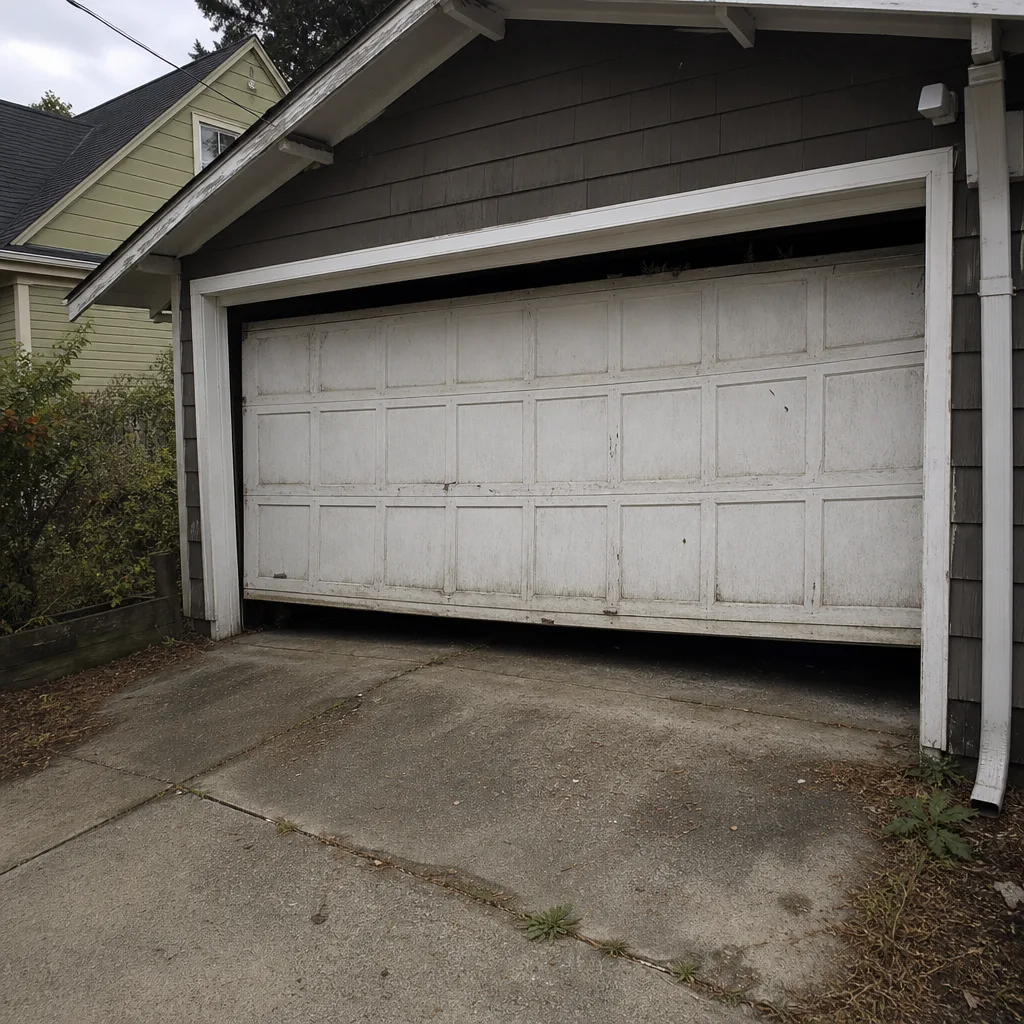 Before
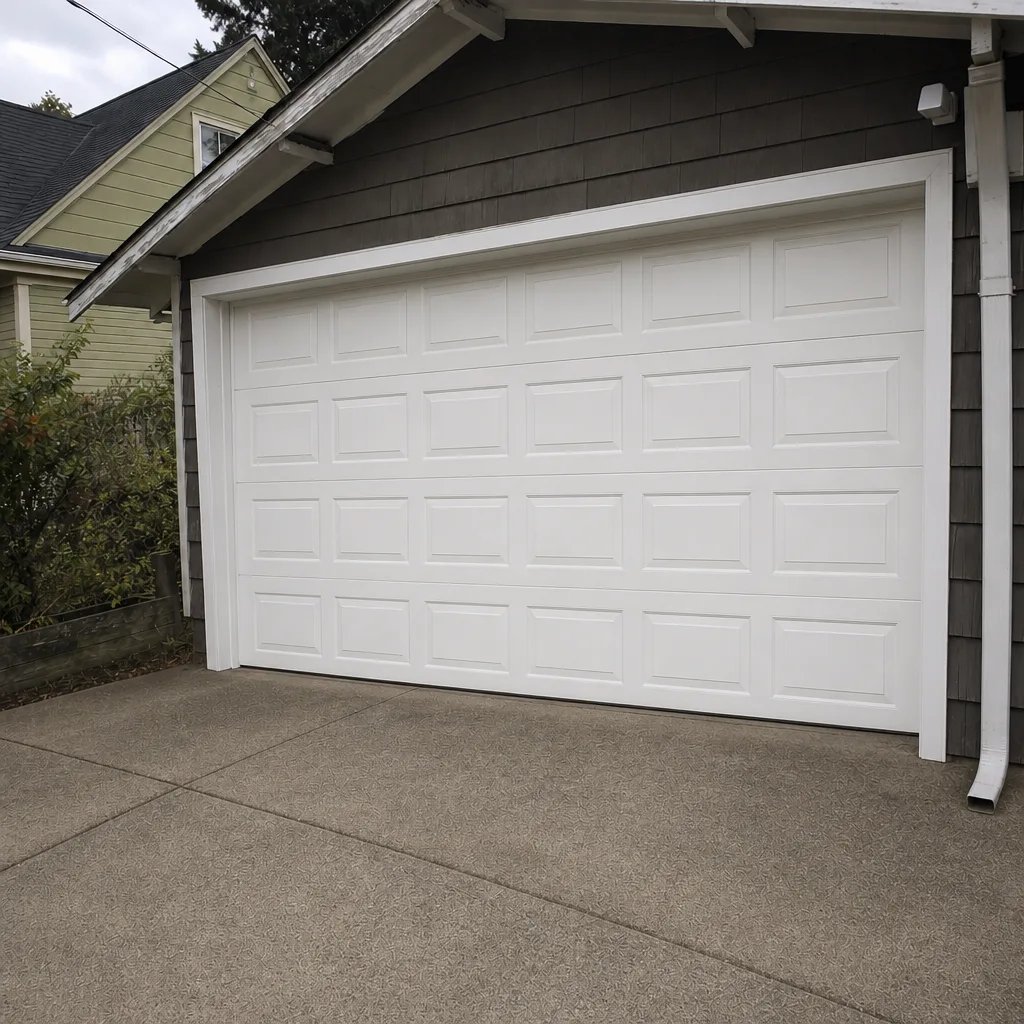 After
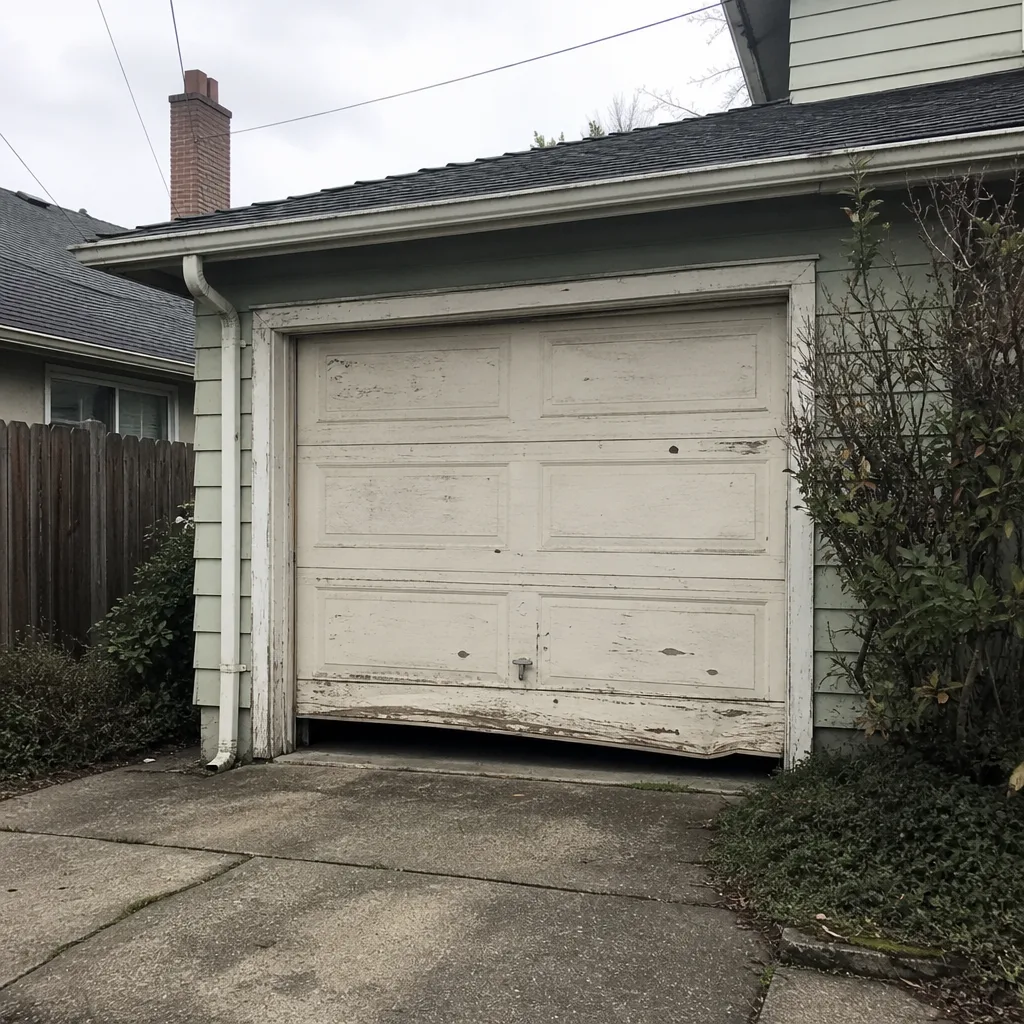 Before
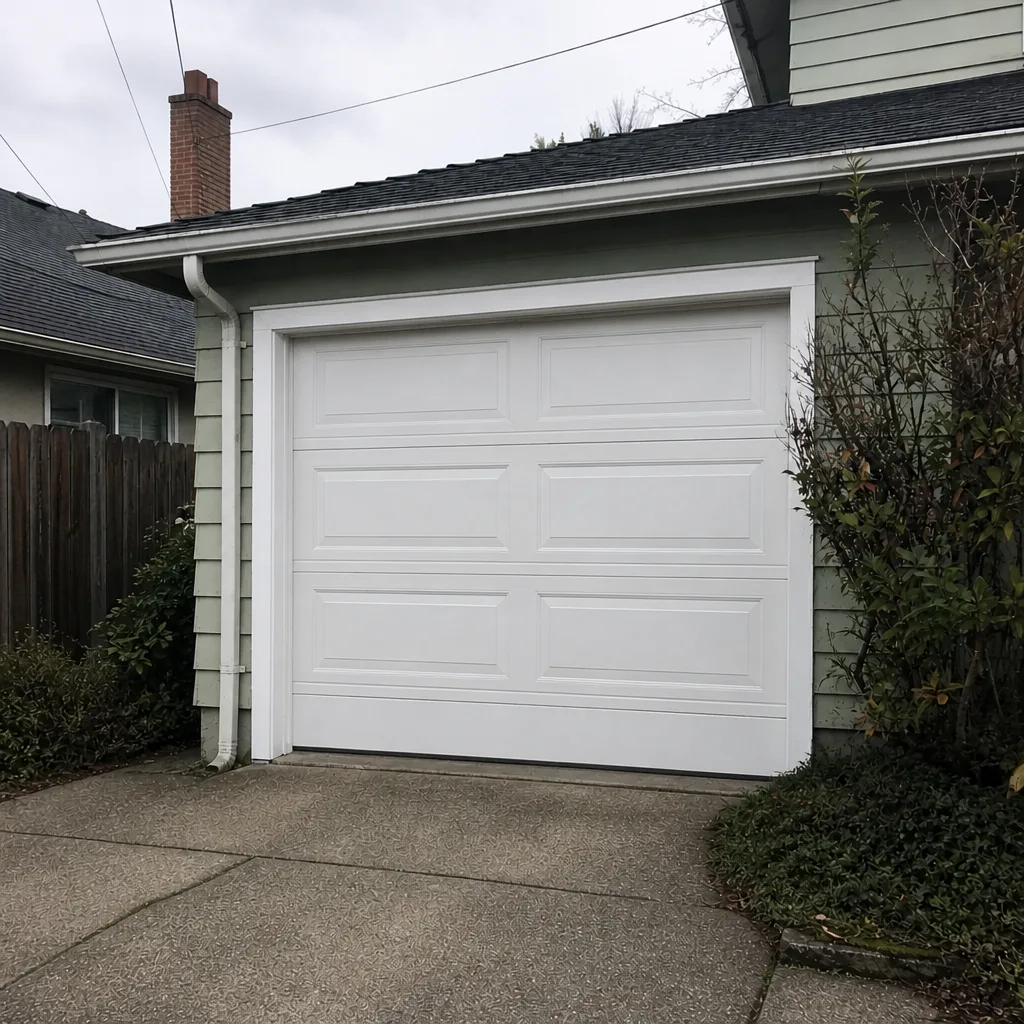 After
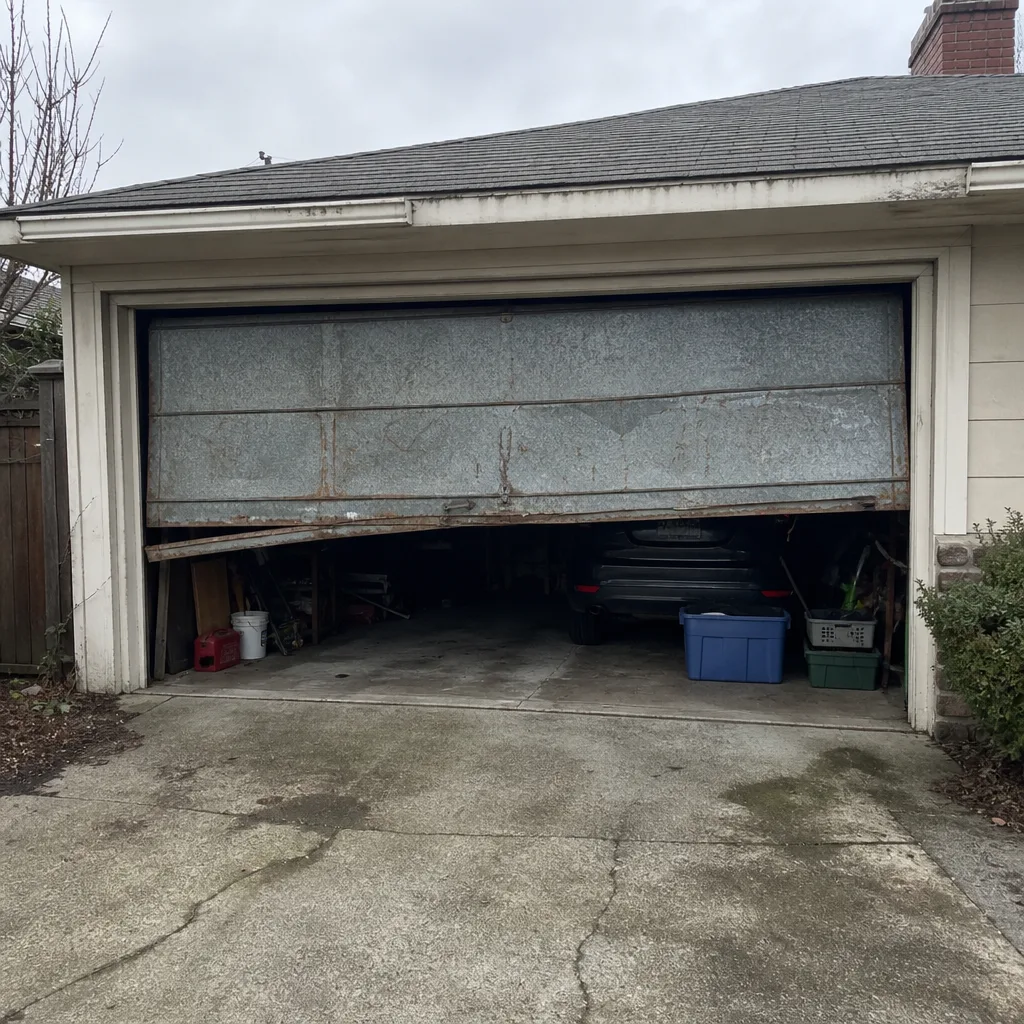 Before
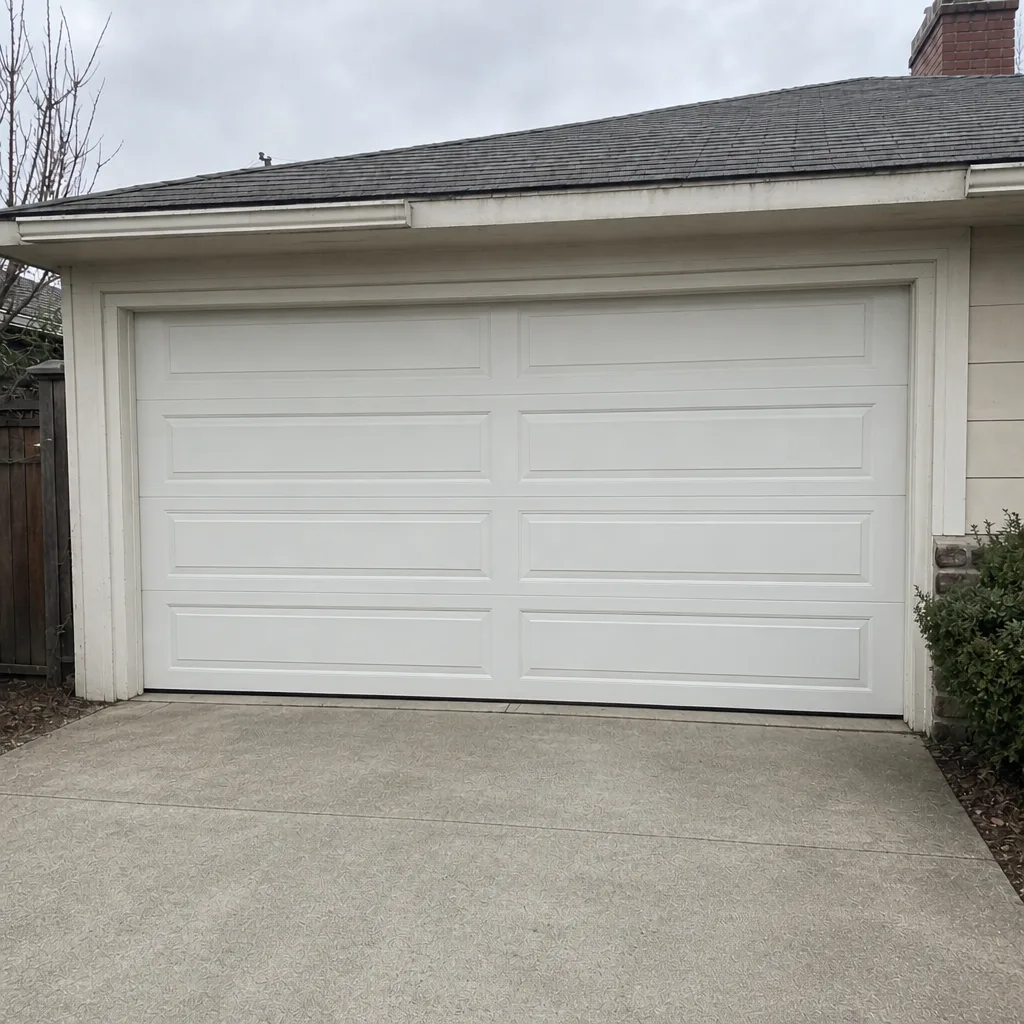 After