Last updated November 23, 2026
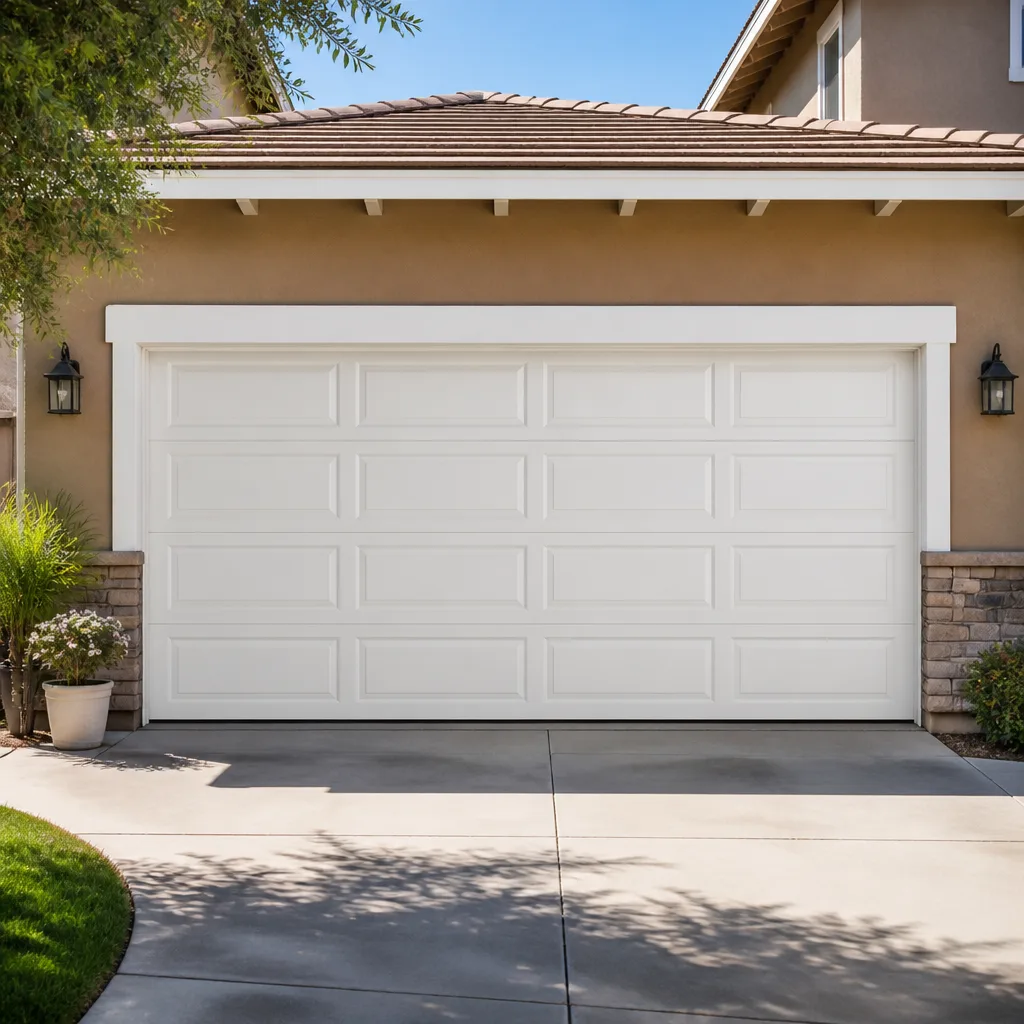 Raised-panel steel
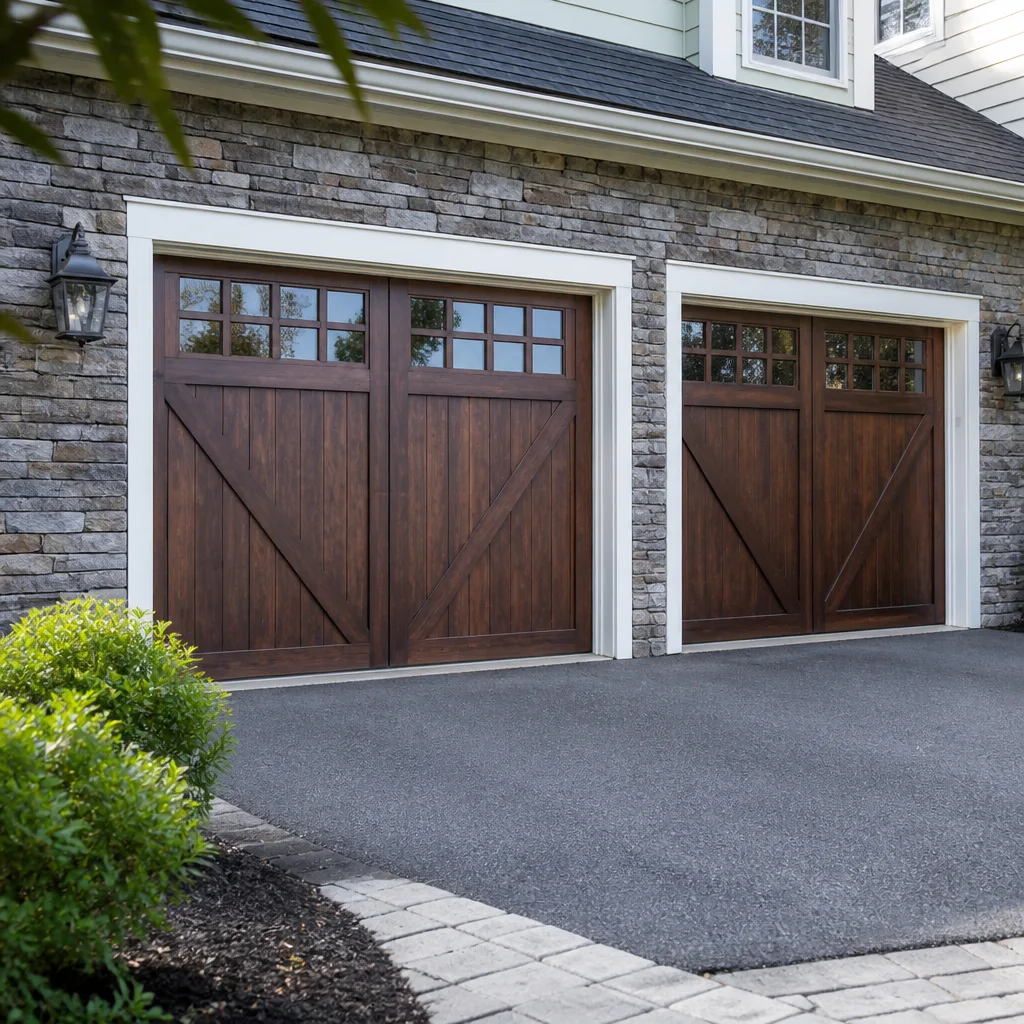 Carriage house
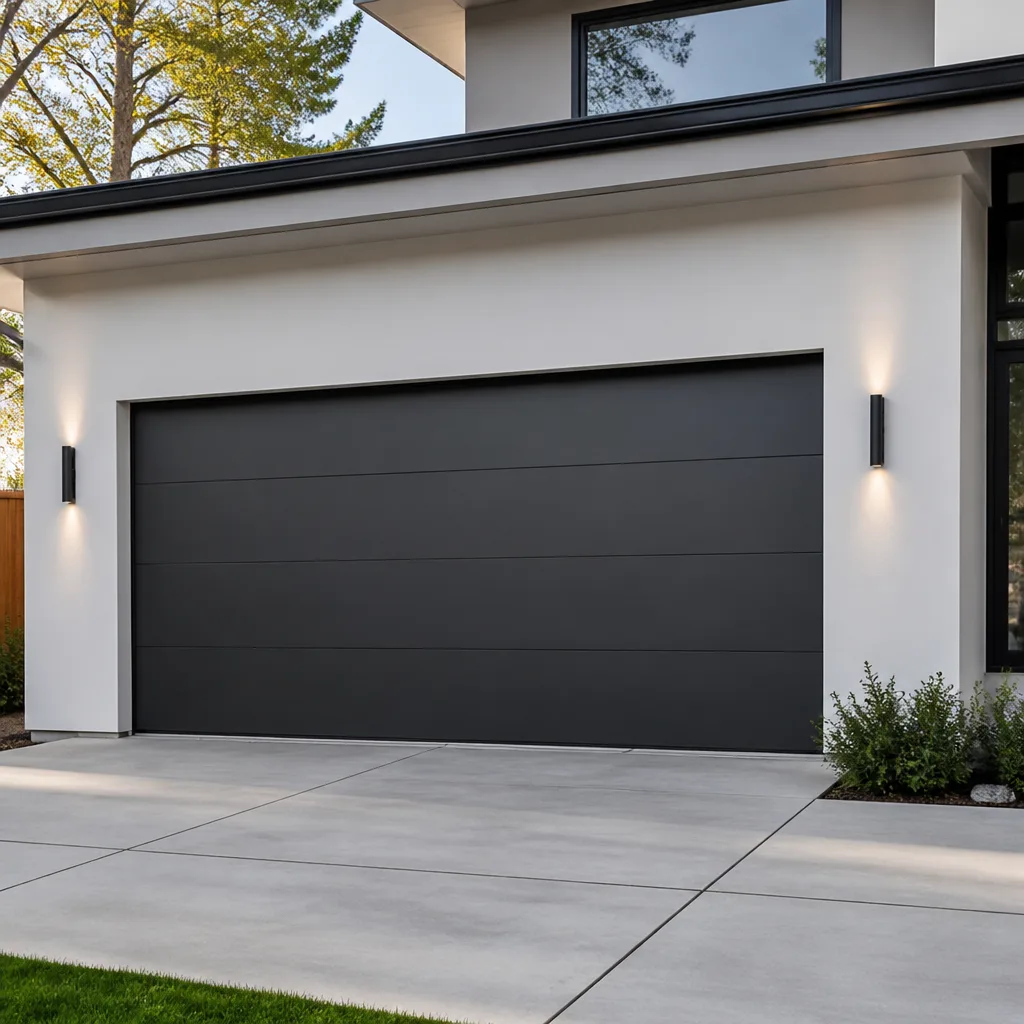 Modern flush
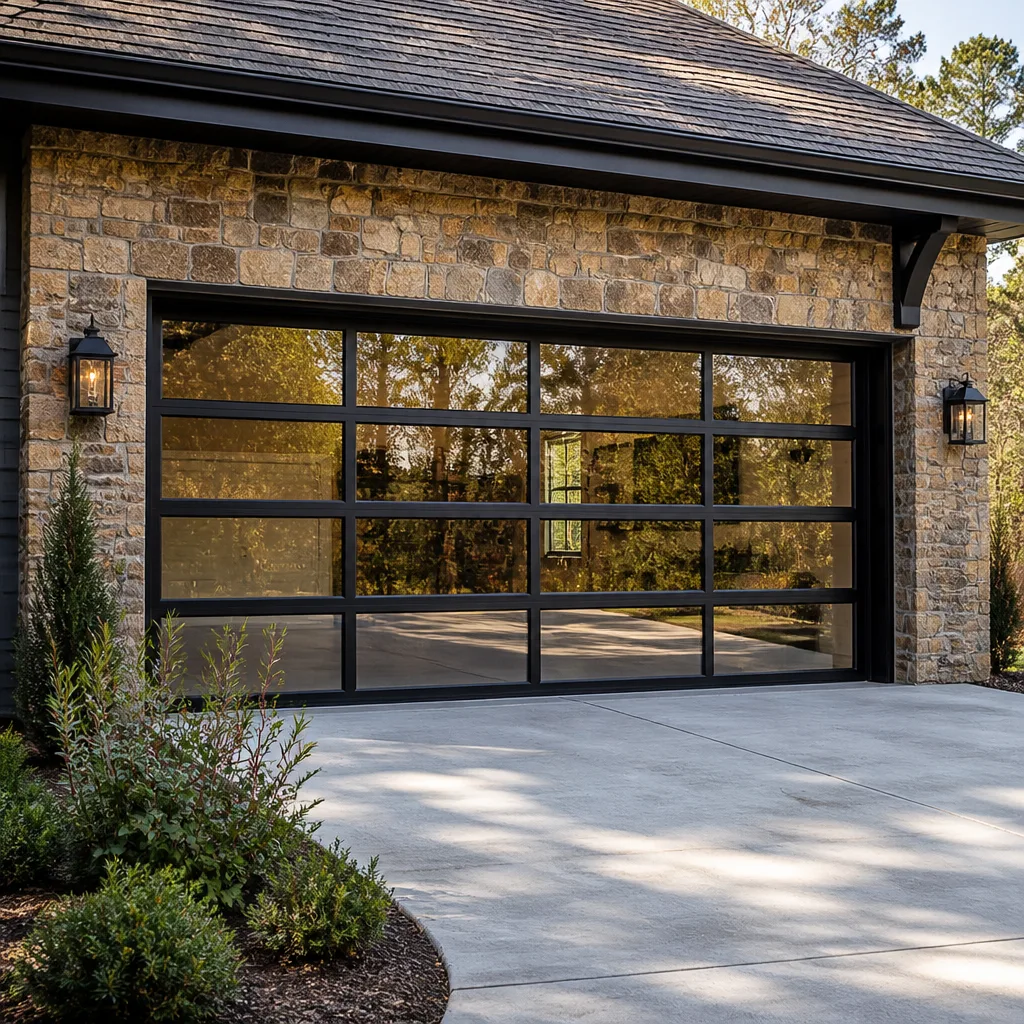 Full-view glass
 LiftMaster openers
 Chamberlain openers
Full 25-point door and opener safety check with every visit - springs, cables, rollers, tracks, and your LiftMaster or Chamberlain opener included
You get a price before we start. It does not change when the pro arrives.
Get your free estimateGarage Door Repair Maintenance Checklist for Ballard Homeowners
Most garage door maintenance checklists floating around the internet were written for a climate that doesn’t exist here. They assume dry air, stable temperatures, and springs that wear out on a predictable cycle-count schedule. Ballard doesn’t work that way. Between November and March, your door hardware spends months cycling through damp mornings and drier afternoons, and that moisture does its quiet work on the inside of spring coils and around cable drums where nobody looks. This guide is built around what actually fails first on Ballard doors, not what a manufacturer’s PDF says should be checked. You’ll learn which tasks genuinely extend component life, which are busywork, and how to test the critical safety systems in under ten minutes.
Quick Answer
The core garage door maintenance checklist for Ballard homeowners covers six things: lubrication of springs, hinges, and rollers with a product rated for cold, wet conditions; a visual corrosion check on spring coils, cable drums, and bottom brackets; a balance test with the opener disconnected; travel limit and auto-reverse testing; weather seal inspection timed to the rainy season; and a fastener and track tightness check. Do the light tasks monthly, the safety tests every few months, and call a specialist for anything involving springs, cables, or the torsion assembly.
Styles & brands we work with
- Raised-panel steel
- Carriage house
- Modern flush
- Full-view glass
- LiftMaster openers
- Chamberlain openers
Table of Contents
- Why Ballard Doors Wear Differently
- The Corrosion Checkpoints Standard Checklists Skip
- The 10-Minute Safety Test: Balance, Limits, and Auto-Reverse
- Lubrication That Works Below 40°F (and What Gums Up)
- Weather Seal Timing for Ballard’s Rainy Season
- Which Maintenance Tasks Actually Extend Component Life
- A Monthly Routine You’ll Actually Keep
- When to Call a Professional
Why Ballard Doors Wear Differently
Walk through any Ballard neighborhood and you’ll notice a mix of housing stock: older craftsman bungalows with detached garages, mid-century ramblers, and newer townhome builds with tight single-car bays. Each presents a different wear pattern. Detached garages in Ballard tend to run colder and damper than attached ones, which means the hardware in them sees wider temperature swings and more sustained humidity. That combination is harder on springs and cables than steady cold or steady warmth.
Torsion springs, the ones mounted on a shaft above the door, are rated in cycles. A standard spring is often rated around 10,000 cycles, and a higher-cycle spring goes further. But cycle count isn’t the only stressor. When moisture gets into the coil interior and stays there, the steel can corrode from the inside of the wire outward, and a corroded spring reaches its fatigue point sooner than its rated life suggests. In Western Washington, we see springs fail 15 to 20 percent faster than the national average lifespan estimates printed on the box, and humidity is a big reason why.
That doesn’t mean you should replace springs preemptively. It means your inspection routine should weight corrosion checks more heavily than a generic checklist would. A door that opens quietly in a dry climate for twelve years might give you fewer years here if you never look at the coil. Ballard’s damp season is long enough that a spring that never gets inspected can go from fine to snapped without much warning.
The same logic applies to cables and drums. Cables run over metal drums at the top corners of your door, and wherever two metal parts rub, moisture finds a way in. That’s the hidden wear cycle on a Ballard door, and it’s what the rest of this checklist is designed to catch.
The Corrosion Checkpoints Standard Checklists Skip
Most garage door maintenance guides tell you to lubricate the springs and hinges and call it done. That’s a start, but it skips the three areas where wet-climate corrosion actually does damage: the spring coil interior, the cable drums, and the bottom brackets. Here’s where to look and what you’re looking for.
Spring coil interior
Look at the coil, not just the surface. Rust on the outside of the wire is easy to spot. What matters more is whether the coil looks dry and uniform or shows pitting and a chalky orange tint in the gaps between windings. If you see rust bleeding between coils or the spring looks visibly thinner in one section, that’s a structural concern and it’s time for a professional inspection. Don’t reach into or try to unwind anything yourself. Torsion springs are under extreme tension and can cause serious injury.
Cable drums
The drums sit at the top corners where the cables wrap. Check for rust in the groove where the cable sits, and look for fraying on the cable itself. A cable with broken strands or a drum with a worn groove will eventually fail under load. Run your eyes along the full length of each cable; anything that looks like a frayed rope or a bird’s nest is a stop-use condition.
Bottom brackets
The bottom brackets anchor the cables at the base of the door. These are the parts closest to the ground and closest to splash and damp. Look for rust around the bolt heads and along the bracket face. A corroded bracket that’s holding cable tension is a failure waiting to happen, and this is another spot where you inspect and call a pro rather than loosen anything yourself.
Hinges and rollers
Hinges at each panel joint and the rollers in the track collect condensation. Check for stiffness in the rollers and rust at the hinge pins. Steel rollers in a wet garage can seize, which drags on the opener and forces the motor to work harder. Nylon rollers hold up better in damp conditions, which is one reason many Ballard installations favor them.
If any of these checks turn up heavy corrosion or a frayed cable, don’t operate the door. Call a specialist. Garage door repair for a corroded bracket or frayed cable is not a weekend DIY project, and a trained technician can assess whether the whole assembly needs replacement.
The 10-Minute Safety Test: Balance, Limits, and Auto-Reverse
The three safety tests every Ballard homeowner should be able to run take about ten minutes once you’ve done them a couple of times. Do them every few months, and any time the door starts behaving oddly. Here’s the sequence.
Balance test
- Close the door fully and disconnect the opener using the manual release cord (usually a red handle).
- Lift the door by hand to about halfway open and let go.
- The door should hold in place, maybe drifting slightly. If it slams down or won’t stay up, the springs are out of balance or failing.
- Reconnect the opener only after the door is back in the fully closed position.
A balanced door should need roughly the same effort to lift from the bottom as it does from the middle. If the door feels heavy at the bottom and light at the top, the spring tension is off. Don’t adjust springs yourself; that’s torsion work and it’s dangerous.
Travel limits
Open and close the door and watch where it stops. The door should close fully to the floor without squashing the weather seal, and open fully without hitting anything. If the door doesn’t reach the floor, reverses before the floor, or travels too far, the limits need adjustment. On most openers – Chamberlain and Genie among them – the limit settings are adjustable on the motor head or the wall control, and the manual covers the sequence.
Auto-reverse test
This is the test that protects anyone standing under the door. Two versions matter:
- Mechanical reverse: Place a 2×4 flat on the floor in the path of the door and close it. The door should reverse on contact with the board.
- Photoelectric reverse: With the door closing, wave your leg or a broom across the safety sensor beam near the floor. The door should reverse immediately.
If either fails, stop using the opener until it’s fixed. A door that doesn’t reverse is a hazard. This is one of the most important checks on the whole list, and it’s the one most homeowners skip.
If the auto-reverse fails or the limits won’t hold, you likely have an opener or sensor issue rather than a door issue. Garage door opener repair is often the right call at that point, since the fix is in the motor head, the sensor wiring, or the control board rather than the door itself.
Lubrication That Works Below 40°F (and What Gums Up)
Lubrication is where a lot of Ballard doors get into trouble, not because people forget to lubricate but because they use the wrong product. The wrong lube in a cold, damp garage will attract grit, thicken up in cold snaps, and gum up the works. The right one keeps things moving through the wet season.
What to use
Look for a garage door-specific silicone or lithium grease rated for cold temperatures. Products labeled for use down to at least 0°F to -20°F are the safest bet. White lithium grease is a common choice and holds up well in damp garages. Silicone spray works for hinges and rollers but is less durable on the spring itself.
What gums up
- WD-40 or general-purpose penetrating oil: Fine as a cleaner, not a lubricant. It evaporates and leaves the part dry, then attracts dust the next week.
- Heavy motor oil: Thickens in the cold and collects grit around the hinge pins.
- Grease on the rollers: The rollers ride in the track and grease attracts debris. Rollers typically need very light lube at the bearing, not the wheel.
Where to apply it
Springs get a light coat along the coil. Hinges get a drop at each pivot point. Roller bearings get a small amount at the stem. The opener rail, if it’s a screw-drive, may need a specific lubricant; check the opener manual (Chamberlain and LiftMaster systems have their own recommendations) before applying anything. Avoid the track itself. The track should be clean and dry, not greasy.
Apply lubrication twice a year in Ballard, ideally before the wet season starts and again in early spring after the worst of the rain. If your door lives in a detached garage that runs damp year-round, add a third round in mid-summer.
Weather Seal Timing for Ballard’s Rainy Season
The bottom weather seal is the most neglected rubber part on a garage door. It takes the brunt of every close and every bit of windblown rain, and it’s the first line of defense against water getting into the garage. In Ballard, the seal inspection schedule should follow the rain, not a generic “annually.”
When to check it
Inspect the bottom seal in early October, before the wet season settles in, and again in February after a couple months of steady rain. Run your hand along the seal and look for cracks, gaps, or sections that have flattened and no longer touch the floor. A seal that doesn’t touch allows water to pool at the bottom of the door, which is one of the main entry points for the corrosion you’re trying to prevent.
Other seals that matter
- Side jamb seals: Check where the door meets the frame at each side. These take wind-driven rain and can tear or pull away from the fasteners.
- Top seal (if your door has one): Less visible but still worth a look, especially on detached garages where water can work its way in along the header.
Replacement cadence
Most bottom seals last a few years with regular use, but in Ballard the wet season shortens that. If the seal is cracked, flattened, or pulling away, replace it before the fall. This is one of the cheapest maintenance items on the list and one of the highest return, because a good seal protects the rest of the door hardware from the moisture that drives the corrosion problem in the first place.
If your door was installed before you moved in and you’re not sure of the seal’s age, look for visible gaps at the floor line or water stains inside the garage near the door. Both mean the seal is due.
Which Maintenance Tasks Actually Extend Component Life
Some garage door maintenance advice is genuinely protective and some is mostly activity to make you feel you’ve done something. Here’s our honest take on which is which.
Moves the needle
- Greasing the spring twice a year: Yes. This is the single most effective wet-climate maintenance task on the door. A greased spring resists the moisture-driven corrosion that shortens its life.
- Inspecting cables and drums each season: Catching a frayed cable before it snaps saves you a much more expensive repair and a potentially dangerous situation.
- Auto-reverse testing every few months: Doesn’t extend life, but it’s a real safety check and worth every minute.
- Replacing a worn bottom seal before the wet season: Cheap insurance against the water intrusion that drives corrosion.
- Tightening track bolts and hinge screws: Loose hardware rattles and accelerates wear at the fastening points.
Mostly busywork
- Waxing or polishing the door panel every month: Cosmetic. It doesn’t affect the mechanics and isn’t necessary for corrosion protection on a properly painted or finished door.
- Adjusting the opener force setting “to be safe”: Force settings should be at factory spec or the manufacturer’s recommendation. Cranking them up doesn’t help anything and can mask a real problem.
- Lubricating the track: The track should be clean, not greasy. Adding lube to the track attracts grit and causes rollers to bind.
- Spraying every moving part with WD-40: This strips existing lubricant and leaves parts dry. Use the right product on the right part.
- Running a “tune-up” that doesn’t include a balance test or a spring inspection: If a tune-up doesn’t cover the parts that actually fail, it’s not much of a tune-up.
We get asked a lot about whether Ballard homeowners should just plan on replacing the door when maintenance gets heavy. For most doors in good structural shape, regular maintenance keeps them running for many years. The exception is a door that’s developed panel damage, sagging sections, or a track that’s out of square; at that point, a proper garage door installation becomes the more sensible path than pouring money into repairs.
A Monthly Routine You’ll Actually Keep
A maintenance checklist is only useful if it’s short enough to actually do. Here’s what we recommend for a routine that takes under ten minutes a month and covers the item most likely to fail next.
Every month (5 minutes)
- Open and close the door and listen. Grinding, squealing, or popping sounds point to a specific part.
- Look at the spring coil for new rust or visible thinning.
- Glance at the cables. Frayed or worn means stop and call.
Every three months (10 minutes)
- Run the balance test with the opener disconnected.
- Run both auto-reverse tests (board and sensor beam).
- Check door travel limits.
- Tighten any loose hinge or track bolts you can access with a socket wrench.
Twice a year
- Lubricate springs, hinges, and roller bearings with a cold-rated product.
- Inspect the bottom weather seal and replace if worn.
- Check the opener’s manual for any brand-specific maintenance (Chamberlain, Genie, LiftMaster, and Craftsman systems each have slightly different recommendations).
That’s the whole routine. It’s not glamorous, but it catches the failure modes that actually happen in Ballard. Doors that get this routine tend to have springs that last closer to their rated life and cables that don’t snap mid-cycle.
When to Call a Professional
Some maintenance you can do yourself. Some work on a garage door is genuinely dangerous to handle alone, and trying to save a few dollars on a spring or cable repair is how people get hurt. Call a professional when any of the following come up:
- A spring shows signs of corrosion, pitting, or visible thinning, or the door feels unbalanced
- Any cable appears frayed, loose, or has snapped
- The auto-reverse test fails and resetting the sensor doesn’t fix it
- The door won’t stay closed, opens unevenly, or the panel looks skewed
- The opener makes new noises, runs unusually hot, or stops responding
- A torsion assembly or bottom bracket needs adjusting or replacing
These situations don’t get safer with time, and a trained technician can diagnose the actual problem instead of guessing. Our technicians have up to 10 years of experience and work on whatever system is already installed, from modern LiftMaster and Chamberlain openers to legacy Craftsman and Genie units, and doors from Clopay, Amarr, Wayne Dalton, and Raynor. Garage Door Repair Ballard offers free estimates in Ballard – call (866) 937-8805. We’ll quote the work and agree on a price before anything starts.
See the difference
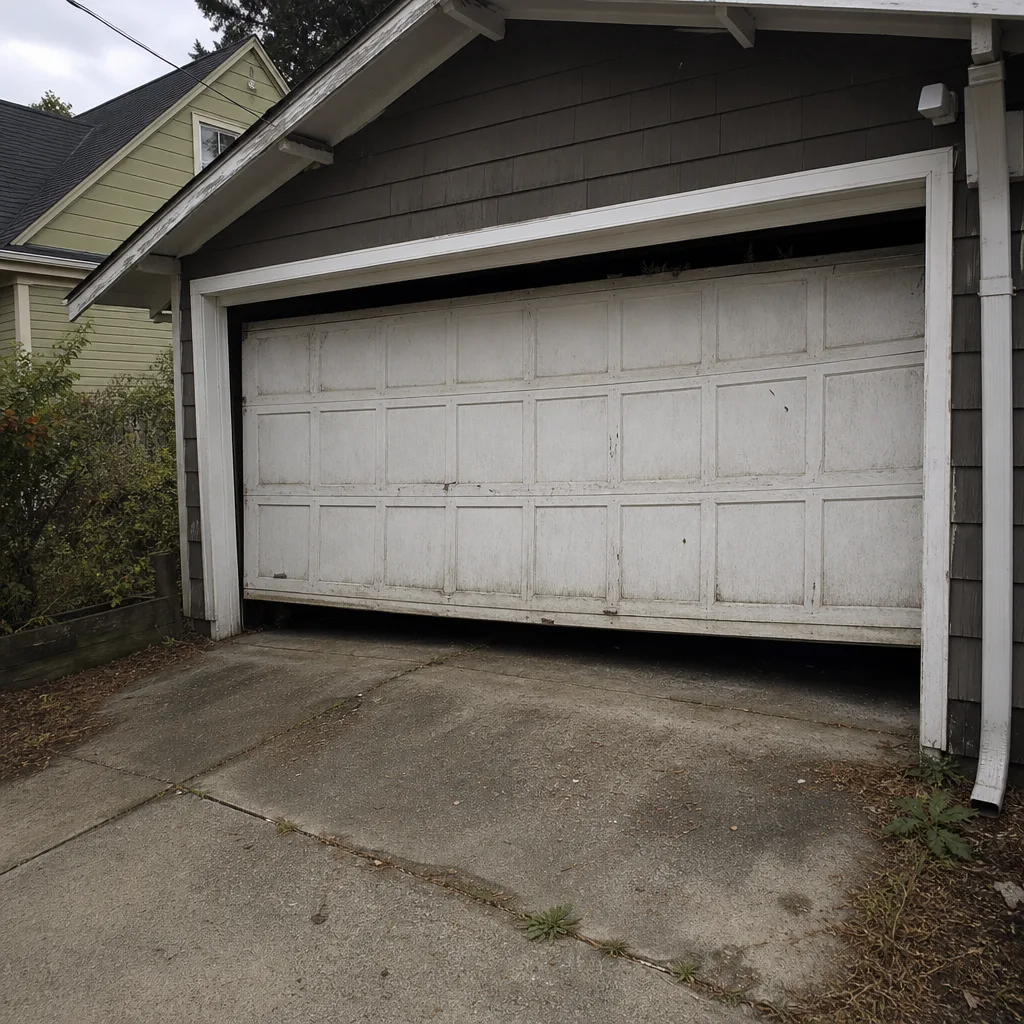 Before
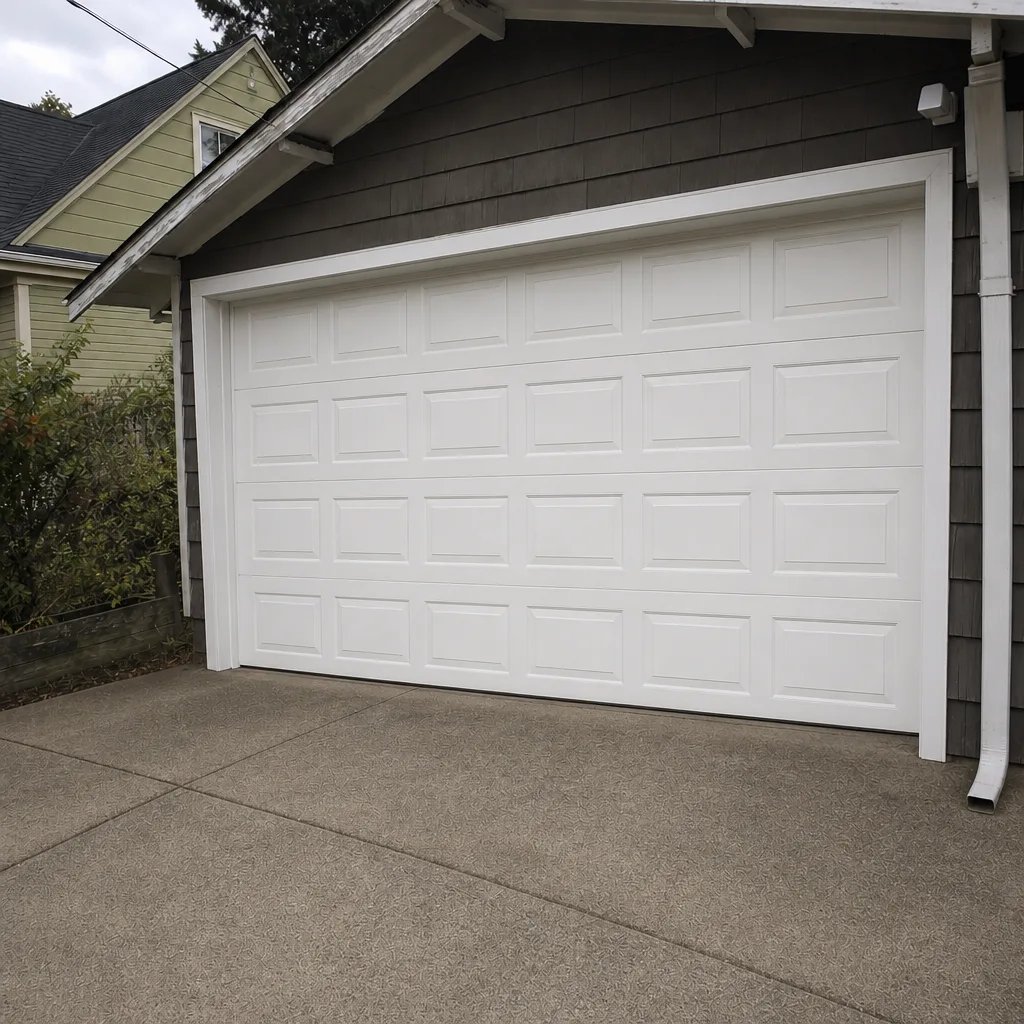 After
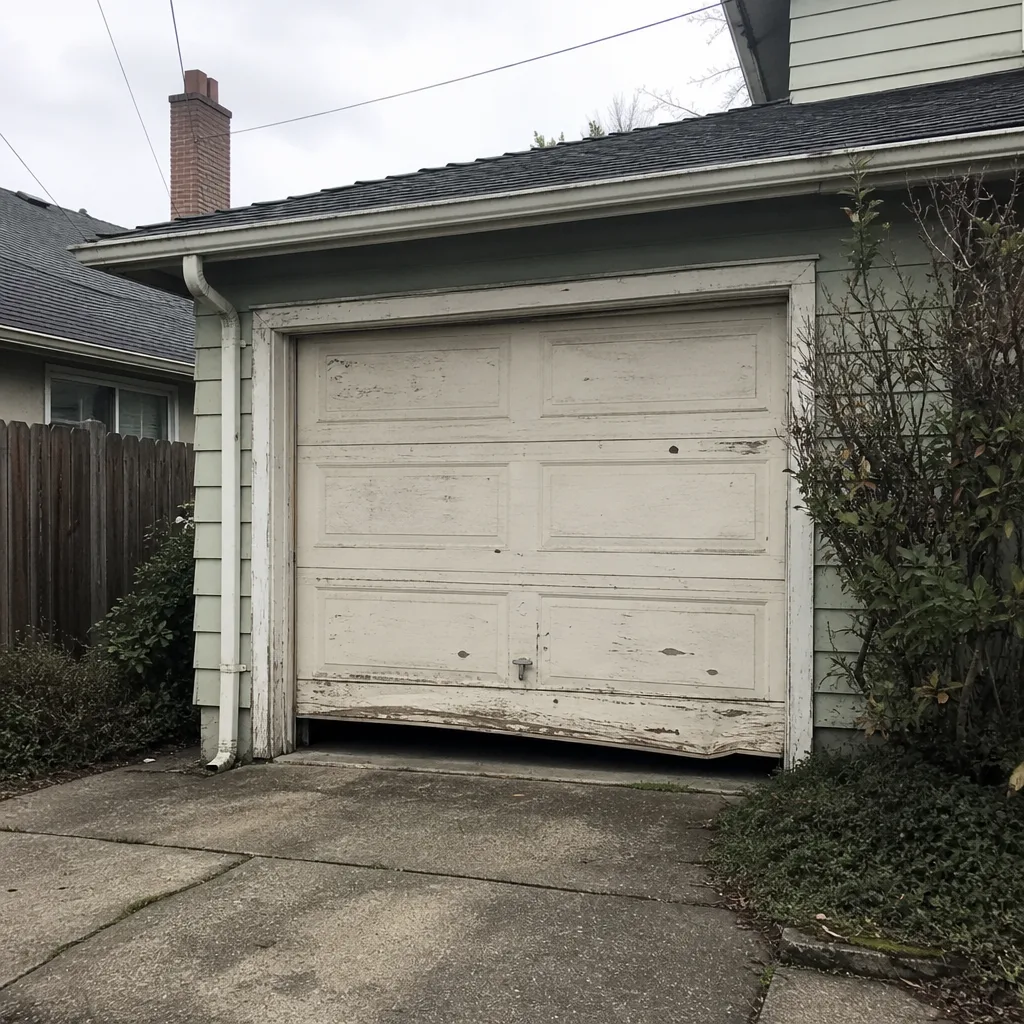 Before
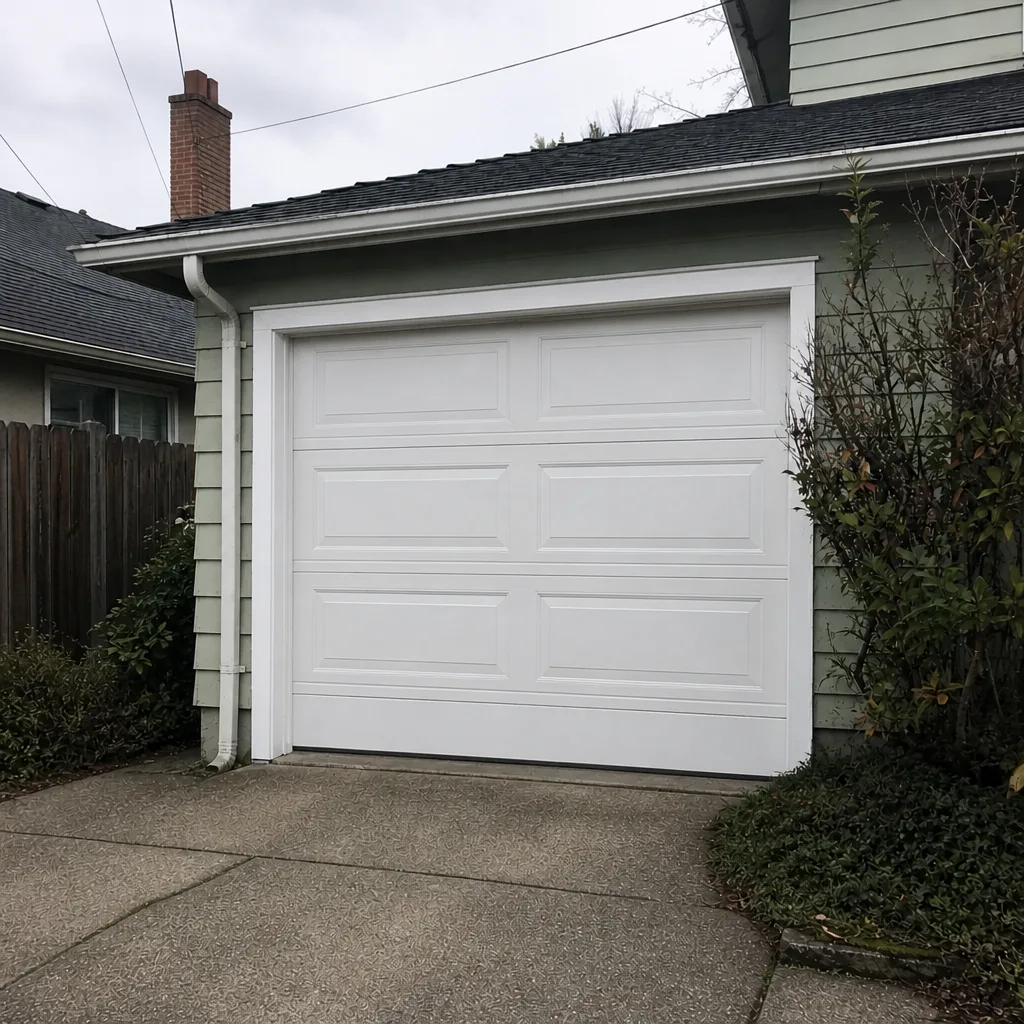 After
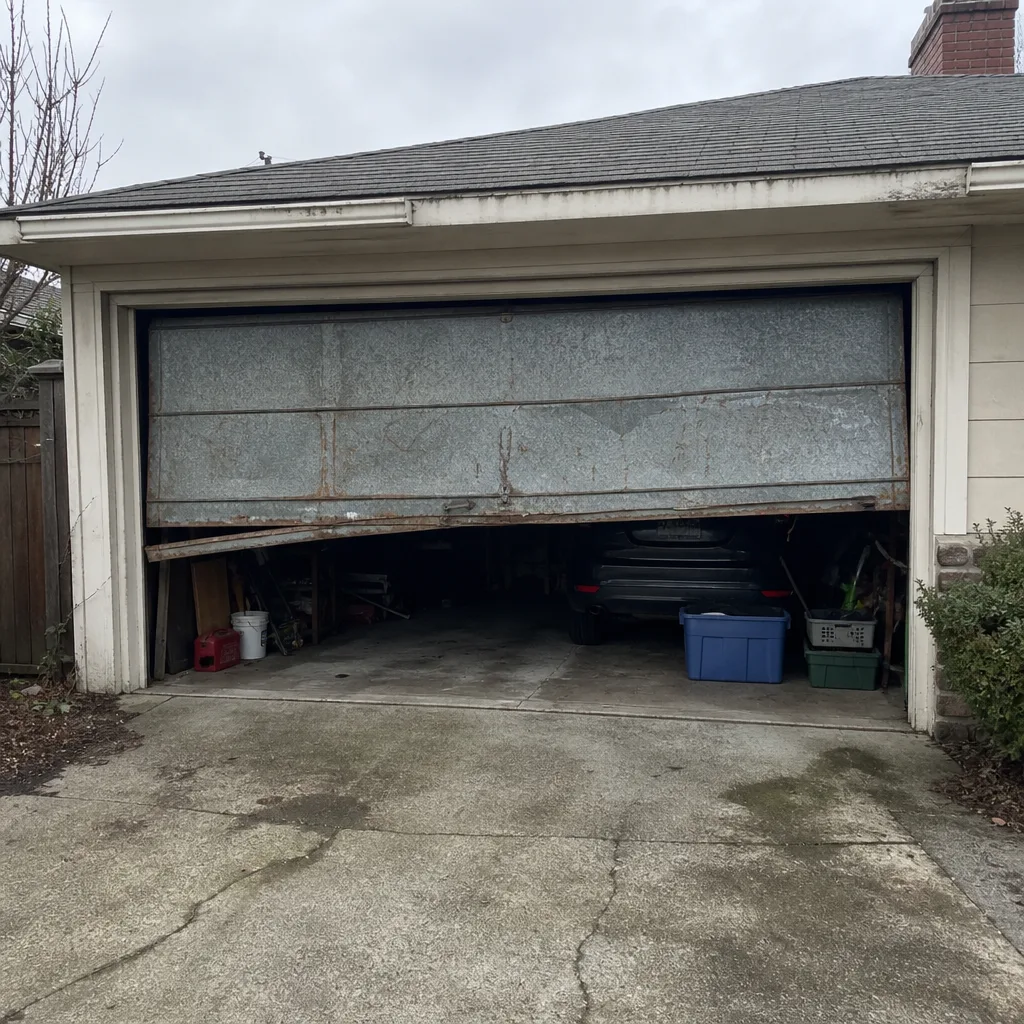 Before
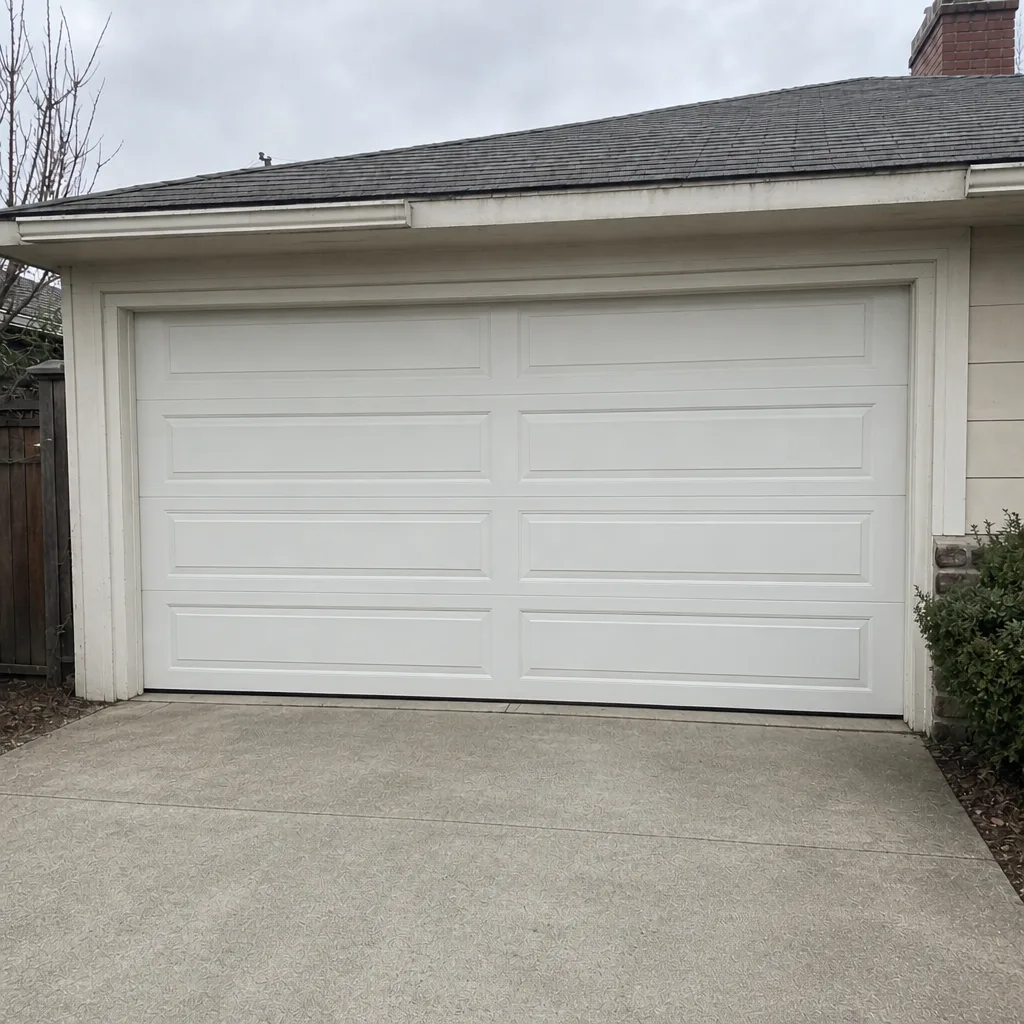 After
Common Mistakes to Avoid
- Treating the spring as a “check it once” item. In Ballard’s climate, spring corrosion is an ongoing concern through the wet season. A single check a year misses the six-month window when moisture does the most damage. Look at the coil every couple of months.
- Using the wrong lubricant. WD-40 on the springs and hinges feels like maintenance but leaves the parts dry and collecting grit. Use a cold-rated lithium or silicone product and you’ll actually prevent wear.
- Skipping the balance test because the door “seems fine.” A door that opens cleanly can still be badly out of balance, and an unbalanced door wears the opener faster and puts more stress on the springs. Test it every few months.
- Ignoring the bottom seal through the summer. Ballard’s driest months are the time to replace a worn seal, not the time to forget about it. A seal that fails in October floods the bottom of the garage and accelerates corrosion.
- Adjusting the opener’s force setting to compensate for a heavy door. That’s masking a spring or balance problem, and it wears out the opener faster. Fix the cause, not the symptom.
- Tightening the spring or cable yourself. Torsion springs and cables are under extreme tension and can cause severe injury. This is work for a trained technician, and it’s not the place to learn by watching a video.
- Choosing a generalist for a garage door call. A handyman who “also does doors” is less likely to have the exact parts on hand for your specific brand or opener model, which means a second visit and a longer wait.
Frequently Asked Questions
Twice a year, ideally before the rainy season in early fall and again in early spring. If your door is on a detached garage that runs damp year-round, a third application in mid-summer helps. Use a cold-rated lithium or silicone product, not WD-40.
Yes. The balance test, travel limit check, and auto-reverse test are all safe to run yourself from outside the door’s path. Just don’t attempt to adjust springs or cables based on what you find; call a technician for that.
Yes. Moisture-driven corrosion on the coil interior shortens spring life in Western Washington, and we regularly see failures running 15 to 20 percent ahead of the national average lifespan estimates. Greasing the spring is the single best thing you can do to slow it down.
Inspect the bottom seal every fall before the rain and again in mid-winter. In Ballard’s climate, most bottom seals need replacing every few years rather than the longer intervals you’ll see in drier parts of the country. Replace any seal that’s cracked, flattened, or pulling away.
If the door panels, tracks, and overall structure are in good shape, repair almost always makes sense. If panels are damaged, the door sags, or the track is out of square, replacement becomes the smarter spend. A specialist can tell you which side of that line your door is on during a free estimate.
Light tasks like lubrication, visual checks, and the balance test are fine for a homeowner or a careful handyman. Anything involving springs, cables, and the torsion assembly should go to a garage door specialist. The parts matter too: a shop that keeps garage door parts in stock can finish the job on the first visit instead of ordering and returning.
The Bottom Line
Maintenance on a Ballard garage door comes down to a few things done consistently: keep the spring greased, check the coil and cables for corrosion each season, run the safety tests every few months, and replace the weather seal before the rain. Do those and your door will hold up much better against Western Washington’s damp, temperature-cycling climate than a door left to a once-a-year glance. Skip the busywork, focus on the parts that actually fail, and call a specialist for anything involving springs or cables. We offer free estimates in Ballard, and we’re ready to help when you need a hands-on look. Garage Door Repair Ballard connects you with technicians who know your brand and stock the parts to fix it right the first time. Call (866) 937-8805 for a free estimate.
Written by the team at Garage Door Repair Ballard.