Last updated November 23, 2026
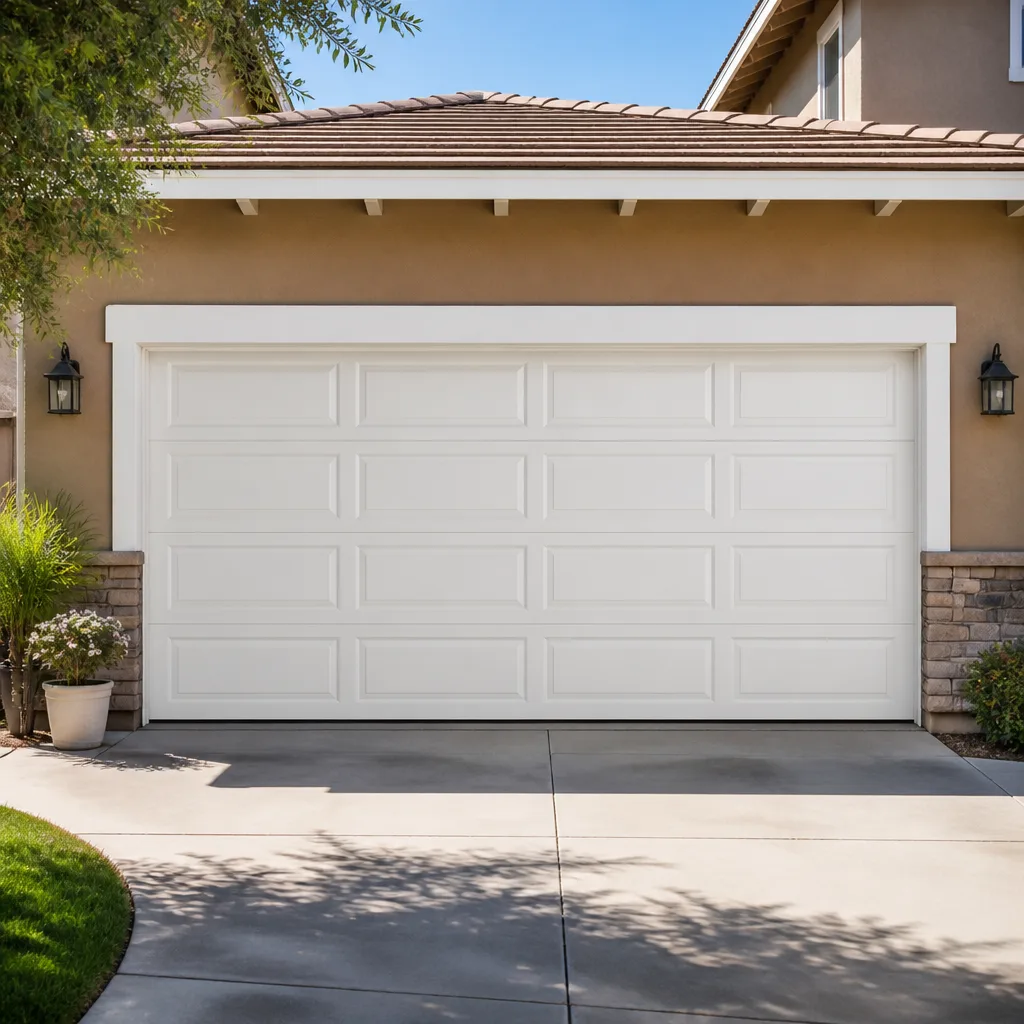 Raised-panel steel
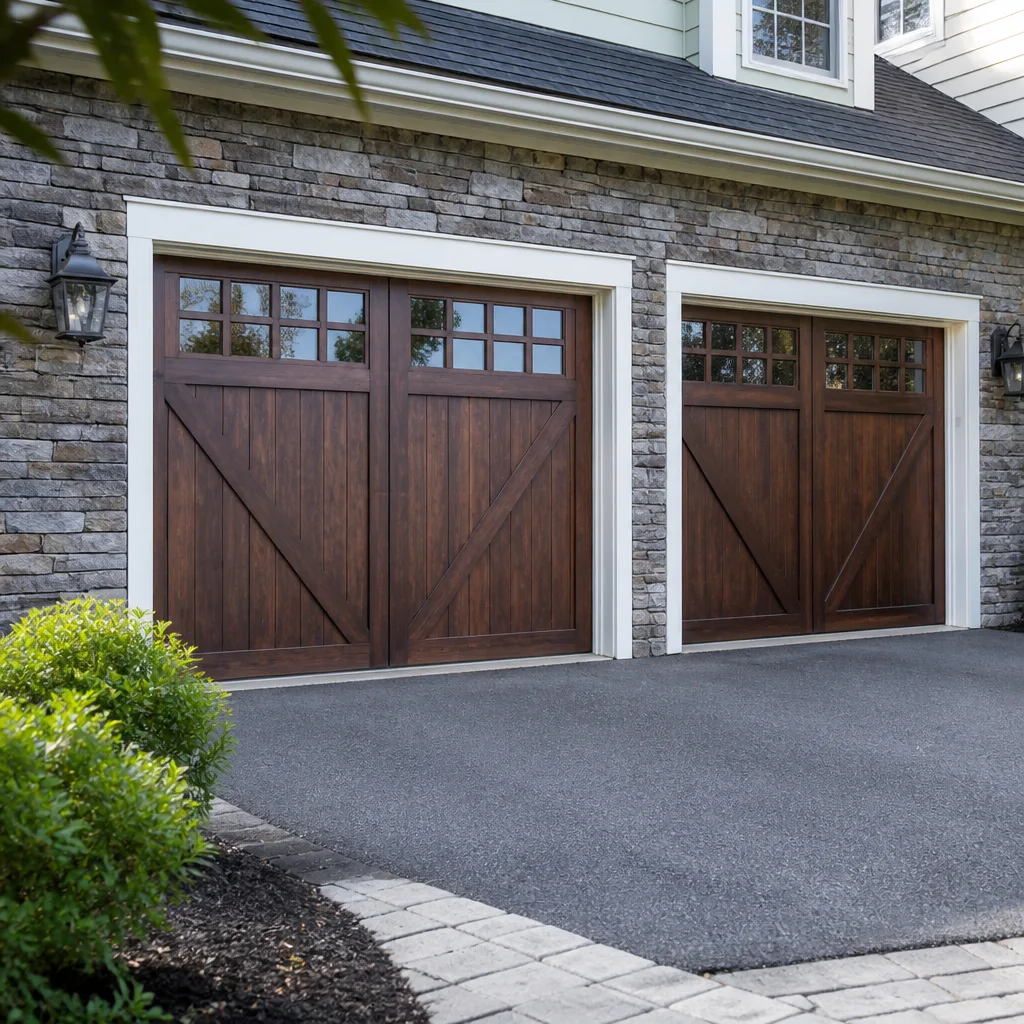 Carriage house
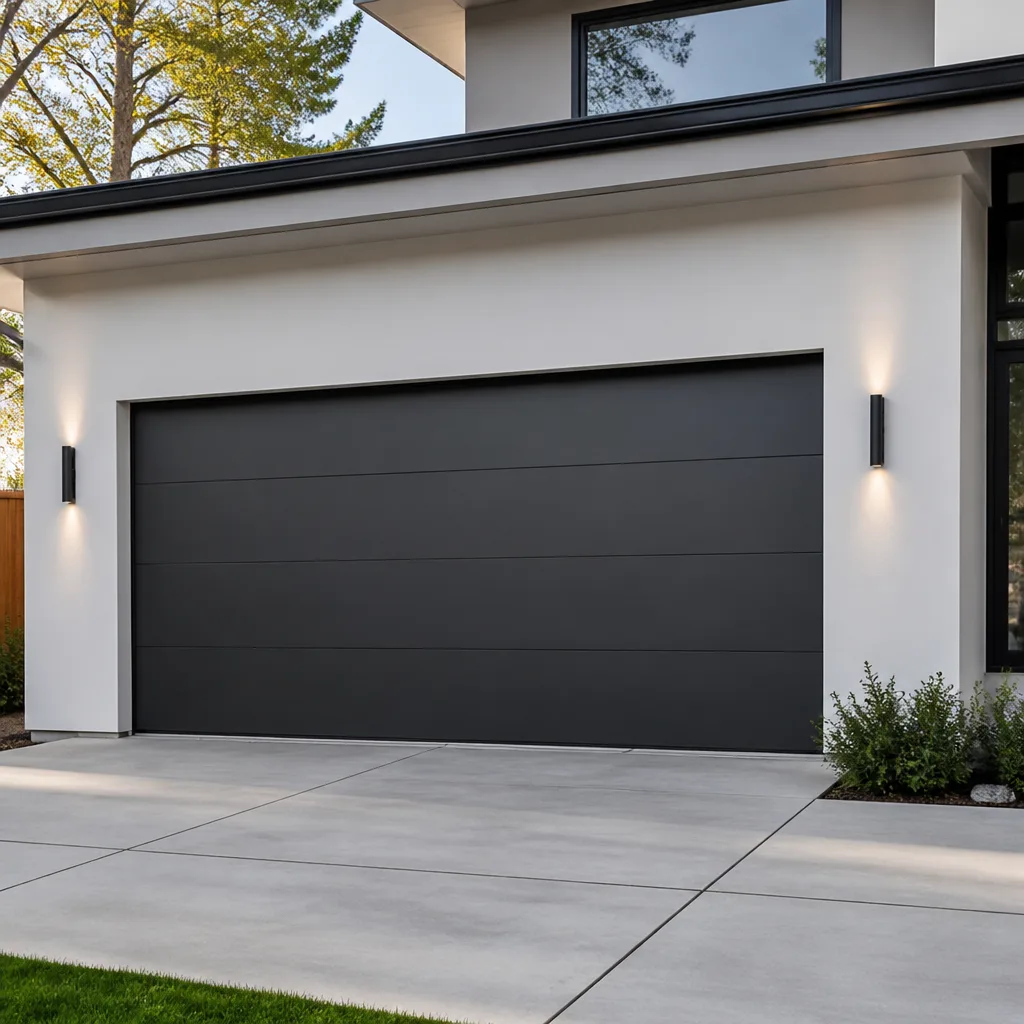 Modern flush
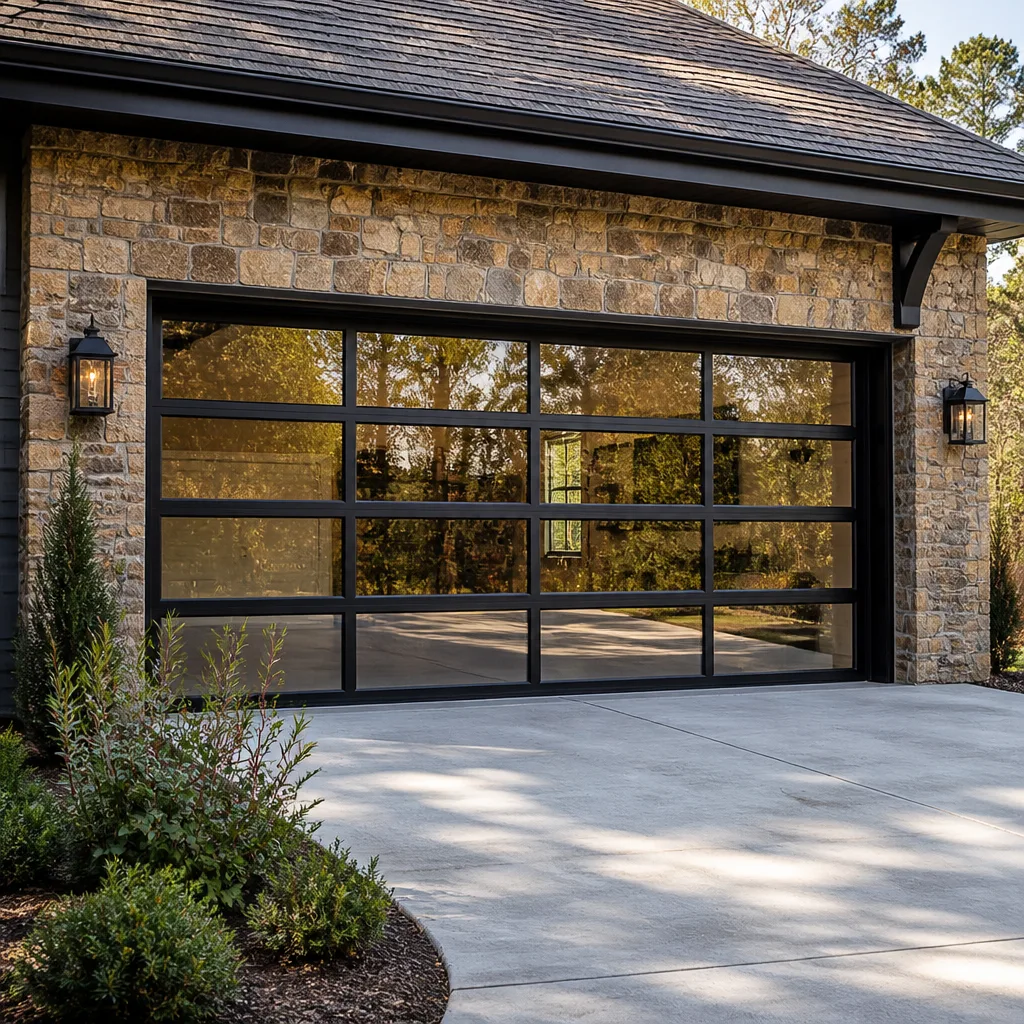 Full-view glass
 LiftMaster openers
 Chamberlain openers
Full 25-point door and opener safety check with every visit - springs, cables, rollers, tracks, and your LiftMaster or Chamberlain opener included
You get a price before we start. It does not change when the pro arrives.
Get your free estimateHow to Hire a Garage Door Contractor in Ballard: A Step-by-Step Guide
Any licensed contractor in Washington can legally install a garage door. That doesn’t mean they stock the right springs for your door’s weight, know the DASMA force standards, or can source a panel for a 12-year-old Clopay door next week. Most Ballard homeowners shop for price and licensing, then find out the hard way that a general handyman treats a garage door as an occasional side job. This guide shows you how to vet for real specialization instead: the five questions that separate door specialists from generalists, what Washington licensing actually covers, how to read a vague quote, and why three spring estimates can describe two completely different jobs.
Quick Answer
To hire a garage door contractor in Ballard, verify the company works on garage doors as a core business rather than a side service, ask five specific questions about parts, brand familiarity, spring work, and quote structure, and compare written estimates line by line instead of by total. A specialist answers those questions without hesitation and quotes parts and labor separately. A generalist usually can’t, and the gap shows up later when a spring fails or a replacement panel has to be ordered from a third party while your car sits outside.
Styles & brands we work with
- Raised-panel steel
- Carriage house
- Modern flush
- Full-view glass
- LiftMaster openers
- Chamberlain openers
Table of Contents
- Why Specialization Matters More Than Price in Ballard
- The Five Questions That Separate Specialists From Generalists
- What Washington Contractor Licensing Covers (and What It Doesn’t)
- How to Read a Garage Door Quote: Red Flags and Line Items
- Why Three Spring Replacement Quotes Can Vary So Much
- Response Time and Parts Inventory as Reliability Signals
- A Step-by-Step Vetting Process You Can Follow Today
Why Specialization Matters More Than Price in Ballard
Garage doors are a system, not a single product. Springs are matched to door weight. Openers are rated by lifting force and duty cycle. Panels are specific to a brand and model line, and the hinge and roller layout on one manufacturer’s door doesn’t carry over to another. A contractor who mostly installs fencing and does the occasional door has no reason to carry any of that knowledge or inventory. A specialist does, because it’s all they do.
In Ballard, this plays out in a few specific ways. The neighborhood has a lot of older single-family homes with detached or attached garages, and many of those original doors have been replaced once, sometimes twice, over the decades. That means the door on your Ballard house may be a 1990s Amarr on a modern opener, or a newer Wayne Dalton with the original hardware still attached. A generalist looks at your door and sees a door. A specialist looks at it and knows roughly what springs, rollers, and opener torque settings are likely under there before touching anything.
Here’s the practical consequence. A generalist who doesn’t stock parts has to order them. That means a second visit, a longer window with your car outside or your garage open, and often a second scheduling conversation. A specialist who carries parts handles most repairs in one trip. On a simple repair that difference is an inconvenience. On a broken spring in a household with two cars and one shared driveway, it’s a real disruption.
The math of “cheapest quote” also rarely holds up. A low bid usually comes from a company treating the job as filler work, which means less time on diagnosis, less attention to the balance and travel of the door, and more chance that a secondary issue (a worn cable, a fatigued roller, a misaligned track) gets missed on the first pass. You end up paying twice. Specialization isn’t about prestige. It’s about who shows up already knowing what they’re likely to find. For a closer look at what a dedicated repair visit actually involves, our page on garage door repair walks through the typical job.
The Five Questions That Separate Specialists From Generalists
You don’t need a background in mechanics to spot the difference. You need five questions. Ask all five before you accept any quote, and listen for whether the answer is specific or vague.
- “What brands do you work on?” A specialist names them and works on whatever is already installed. We work with Amarr, Wayne Dalton, Craftsman, Raynor, LiftMaster, Chamberlain, Genie, and Clopay, and we don’t need to swap your system to service it. A generalist will usually say “we can handle anything” without naming a single system, which often means they’ll learn on yours.
- “Do you carry springs and rollers on hand, or order them?” A specialist carries common springs and hardware directly, which is exactly what reduces the delay caused by third-party ordering. A generalist either orders on demand or admits they don’t keep stock.
- “How do you match a replacement spring to my door?” The correct answer involves door weight, spring cycle life, and measuring the existing spring’s gauge and length. If the answer is “a spring is a spring,” walk away. Spring matching isn’t a detail; it’s the whole job.
- “What’s included in your quote?” A specialist breaks out the spring or part, the labor, and any related hardware separately. A generalist often quotes one lump number with no parts breakdown, which makes comparison impossible.
- “Who does the work, and have they done spring repairs before?” Spring work is one of the most dangerous jobs in this trade. A specialist tells you their technicians handle torsion and extension springs routinely. A generalist may pause, or admit the springs are “the hard part.”
Notice what none of these questions are about: price. Get the answers first. Price means something only after you know what you’re buying. A company that answers all five cleanly is a company you can compare on cost. A company that fumbles question three or four is a company you should probably stop shortlisting, regardless of what they quoted.
Bring the questions in writing if it helps. It’s your home and your garage door that has to open every morning. Any contractor worth hiring will treat five clear questions as a reasonable request, not an interrogation. In our experience, the specialists actually enjoy the questions, because they’re the ones who spend their days on this and rarely get to show it.
What Washington Contractor Licensing Covers (and What It Doesn’t)
Washington State requires contractors to register with the Department of Labor & Industries before advertising or doing residential work. That registration covers general contracting requirements, including bond and insurance minimums. It does not tell you anything about whether the contractor knows a torsion spring from an extension spring, or whether they can match a replacement panel to your existing door color and configuration. Licensing is a floor, not a ceiling. It’s the minimum to legally operate, and it says nothing about garage door specialization.
This is the gap most Ballard homeowners miss. They check the license, see it’s active, and assume the rest is covered. In reality, Washington’s registration process doesn’t evaluate trade-specific competence in garage door systems. A registered contractor who has built decks for years and a registered contractor who does nothing but doors carry the same license category. The license filters out outright fraud and uninsured operators. It doesn’t tell you who knows how to balance a door.
So here’s what licensing does and doesn’t do for you:
- Covers: registration status, bond and insurance minimums, a formal complaint process if a job goes wrong.
- Doesn’t cover: garage door brand knowledge, spring matching, opener programming, panel sourcing, or anything about the specific work.
- Doesn’t replace: the five questions in the section above, or a written quote you can read line by line.
When you vet a garage door contractor in Ballard, check the L&I registration first, then set it aside. It told you the contractor is legitimate enough to operate. The next questions tell you whether they’re the right person for your door. If a contractor won’t give you a registration number or pushes back on the question, that’s a red flag regardless of how many doors they claim to have installed. Ask for the number in writing along with the quote so you have it on file.
One more point on licensing: a specialty company will usually be happy to talk about the specific work, not just the license. If the entire conversation stays on registration, insurance, and bonding without a single mention of springs, openers, or brands, you’re probably talking to a generalist who treats licensing as the whole qualification. It isn’t.
How to Read a Garage Door Quote: Red Flags and Line Items
A garage door quote should read like a recipe, not a verdict. Every part, every labor hour, every piece of hardware should be named. When parts, labor, and hardware are merged into a single total, you can’t tell whether you’re paying for a $40 roller or a $400 panel assembly. You also can’t tell if the quote is missing something important.
Here are the red flags to watch for, in rough order of how often we see them:
- One lump total with no breakdown. No parts, no labor, no hardware. Impossible to compare and easy to inflate later.
- “Labor only” structure. You pay for the work, and you source the parts. This shifts the cost risk and the sourcing burden onto you, and it’s a common way for a generalist to avoid holding inventory.
- Missing brand names. A replacement panel or opener quote that doesn’t name the brand and model is a quote for “an opener,” not for the specific one going on your door.
- No spring specification. Spring replacement quotes should identify the spring type (torsion vs. extension), the gauge, and the length or cycle rating. If all you see is “replace spring,” you don’t know what you’re getting.
- The scope doesn’t mention the door’s balance or travel. A repair that touches springs or cables should include a balance check. If the quote doesn’t mention it, ask.
- Pricing withheld until a technician is “in the area.” Written quotes are free. A contractor who needs to see the door before giving any number is usually pricing by mood, not by scope.
- No callout of existing issues found. A good quote notes what else looks worn, even if you don’t fix it now, so you can plan.
What a well-built quote looks like: a part line for the spring or opener or panel, a labor line, a line for any hardware (cables, rollers, bearings) that should be replaced alongside, a note on what was inspected, and a clear statement that the price is agreed before any work begins. That last point matters. The written quote should be the price, and if a technician finds something the quote couldn’t have caught, you should hear it as a conversation before any extra work happens, not as a line on the final invoice.
When you compare quotes, compare the part specifications first, the labor second, then the total. The cheapest quote on paper is often cheapest because it’s missing a part that will fail in a year, or because it’s labor-only and you’re about to spend your own weekend on sourcing. For installation quotes specifically, our page on garage door installation covers what a properly scoped install estimate should include.
Why Three Spring Replacement Quotes Can Vary So Much
Three quotes for the same broken spring can come back with wildly different numbers, and most of the difference isn’t markup. It’s scope. Spring replacement involves several decisions that each change the job: one spring or a matched pair, torsion or extension, cycle rating of the replacement, whether cables and rollers get replaced at the same time, and whether the door gets rebalanced afterward. Two quotes describing “a spring” might be describing entirely different jobs.
The single biggest scope difference is one spring versus a matched pair. A spring price is for one spring. A matched pair is usually replaced together, because springs wear at the same rate, so a pair costs roughly twice a single spring. If one quote says “one spring” and another says “matched pair,” they aren’t the same job, and the totals shouldn’t be compared as if they are. Ask each contractor which they’re quoting, and why.
Beyond that, here’s what else shifts the number:
- Spring type. Torsion springs and extension springs are different jobs with different hardware. A quote should say which.
- Cycle rating. Springs are rated for a number of cycles. A higher-cycle spring costs more and lasts longer. If a quote doesn’t state the rating, you can’t compare it to one that does.
- Cables and hardware. When a spring fails, the cables take a load spike. Some springs should be replaced alongside cables and rollers; others can be left. A quote should say which it recommends and why.
- Balance check and adjustment. After a spring replacement, the door needs rebalancing and a travel and force check. If it’s not in the quote, it’s probably not in the job.
- Access and door height. Standard-height doors are straightforward. Oversized or low-clearance doors take longer and use different springs.
Apples-to-apples comparison means reading past the total. Ask each contractor to confirm three things in writing: the spring type, the number of springs (single or matched pair), and the cycle rating or gauge. Then ask whether cables and rollers are included. Once those line up, the totals become meaningful. Until then, they’re just numbers.
A word on safety here, because it matters. Torsion springs and cables are under extreme tension, and garage door spring work causes serious injuries every year when homeowners attempt it. If a spring is broken, don’t try to open the door manually or reach for the spring hardware. Call a trained professional. A company that specializes in spring repair is telling you something important just by offering it as a core service, not an upsell. Our team handles spring repair routinely, and if you want the fuller picture of what that involves, the service detail is on our main Garage Door Repair Ballard page.
Response Time and Parts Inventory as Reliability Signals
Price is the number everyone compares, but reliability is what you actually live with. Two signals tell you far more about reliability than any quote: how the company responds to an initial call, and whether they carry parts directly. Both are things you can test before you hire anyone.
Response time matters most when a door is stuck. A ballpark timeline isn’t a guarantee, but a company that answers the phone, asks diagnostic questions, and gives you a realistic window is a company that has a process. A company that takes a message and calls you back tomorrow is a company that will handle your repair the same way. When a spring breaks, the door has to stay closed, which means your car stays outside until someone can get to you. That’s not a moment for a slow return call.
Parts inventory is the quieter signal. A specialist carries common springs, rollers, and hardware directly, which means the repair happens in one visit instead of two. A generalist either doesn’t hold stock or has to order from a third party, and the wait is on you. Ask directly: “Do you have the springs for my door on hand, or will you order them?” The answer tells you how the job will actually go.
Neither signal is about same-day promises or dispatch windows, which are worth treating with skepticism in this trade. Installation and replacement work is measured, ordered, and scheduled, not dispatched. A contractor who promises same-day installation on a custom door is either overselling or hasn’t thought through the order. What you can fairly expect is a clear answer on timing, a written quote, and a plan for what happens if a part needs to come in.
This is also where multi-brand fluency pays off. A company that works on Amarr, Wayne Dalton, Craftsman, Raynor, Clopay, LiftMaster, Chamberlain, and Genie is far more likely to have what your door needs on hand, because they aren’t guessing. They know what’s likely under the hood of your specific system. When you call a garage door contractor in Ballard, ask what brands they carry parts for. If the answer is a short list, your door may not be on it.
A Step-by-Step Vetting Process You Can Follow Today
Here’s a process you can run in a single afternoon, and it works whether you have a broken spring right now or you’re planning ahead. Run the steps in order. Don’t skip ahead to price.
- Verify L&I registration first. Look up the contractor’s registration status with the Washington Department of Labor & Industries. This filters out unregistered operators before you invest time in anything else.
- Confirm specialization. Ask what percentage of their work is garage doors. A specialist does doors and related components and nothing else. A generalist does doors among many other things. The answer matters more than the number.
- Ask the five questions. Brands, parts on hand, spring matching, quote structure, and who does spring work. Write down the answers so you can compare them later.
- Request a written, itemized quote. Parts and labor separate. Brand names called out. If a spring is involved, specify single or pair, type, and cycle rating. Free estimates are the norm; don’t pay for a quote.
- Compare scope, not totals. Line up the part specs and labor from each quote side by side. A lower total with a missing part isn’t a lower price; it’s a smaller job.
- Ask about parts availability and an appointment window. Confirm whether they have what’s needed in stock and when they can come. Get a realistic window, not a promise.
- Confirm the price agreement. Before work starts, confirm the price is what’s on the quote and that any additional work found on-site requires your approval first.
The whole process takes about an hour of phone calls. What it buys you is a clear picture of who you’re hiring before the technician is at your door. For repair work specifically, including opener issues, the diagnostic framing on our garage door opener repair page gives you a sense of what a proper diagnosis should look like so you know what to expect.
One final note: if a contractor resists the process at any step, treat that as the answer. A specialist will walk through all seven steps without hesitation because the answers make them look good. A generalist will often push back on step two or step four, usually by trying to move the conversation back to price.
Common Mistakes to Avoid
- Hiring the lowest bid without checking scope. The cheapest quote is often the smallest job. Compare part specifications before you compare totals, or you’ll pay twice for the same problem.
- Treating licensing as the whole vetting process. Washington registration doesn’t test garage door knowledge. A registered generalist and a registered specialist hold the same license category.
- Accepting a “labor only” quote. You source the parts, the cost risk shifts to you, and you’re responsible for finding the right spring for your door’s weight. That’s not a savings if you get it wrong.
- Letting one quote stand in for three. Spring replacement scope varies enough that a single quote can mislead you on both price and what’s actually included. Get more than one and read the line items.
- Attempting spring work yourself. Torsion springs and cables are under extreme tension, and injuries from DIY spring work are serious and common. This is the one part of a garage door nobody should touch without training.
- Assuming a generalist has your brand’s parts. A company that mostly installs fencing or siding isn’t carrying springs for an Amarr or Wayne Dalton door. Ask what’s in stock before you schedule.
- Ignoring a balance or travel problem after a repair. A door that opens but shudders, reverses, or drifts is a door that will wear faster. Ask for a balance check as part of any spring or hardware job.
See the difference
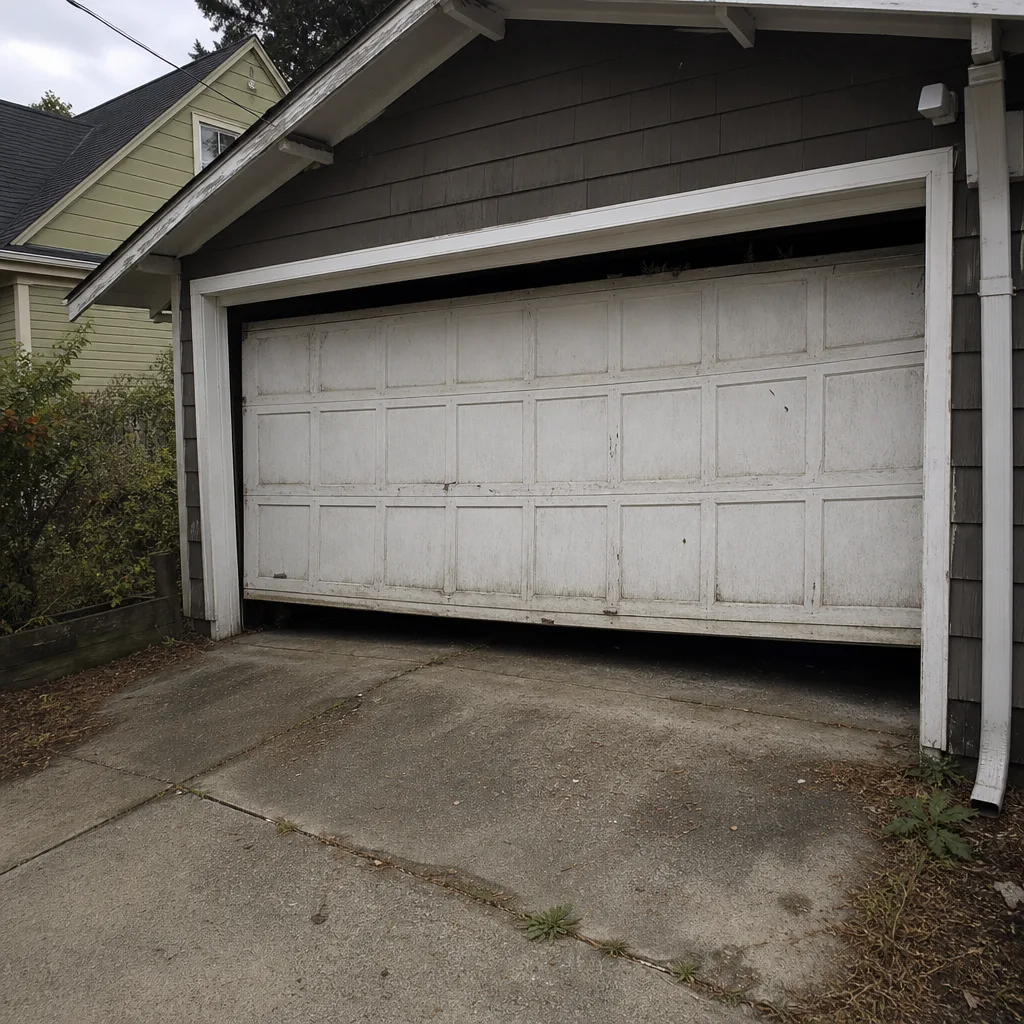 Before
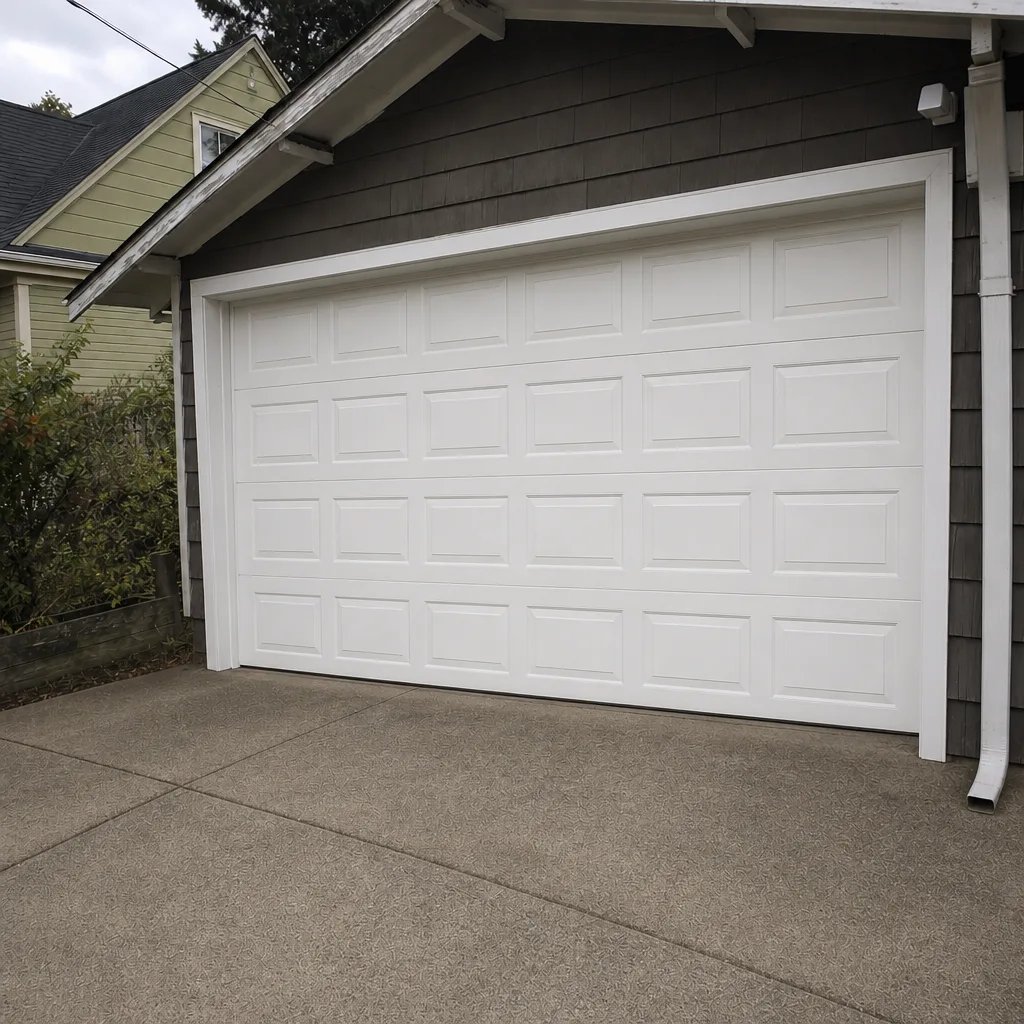 After
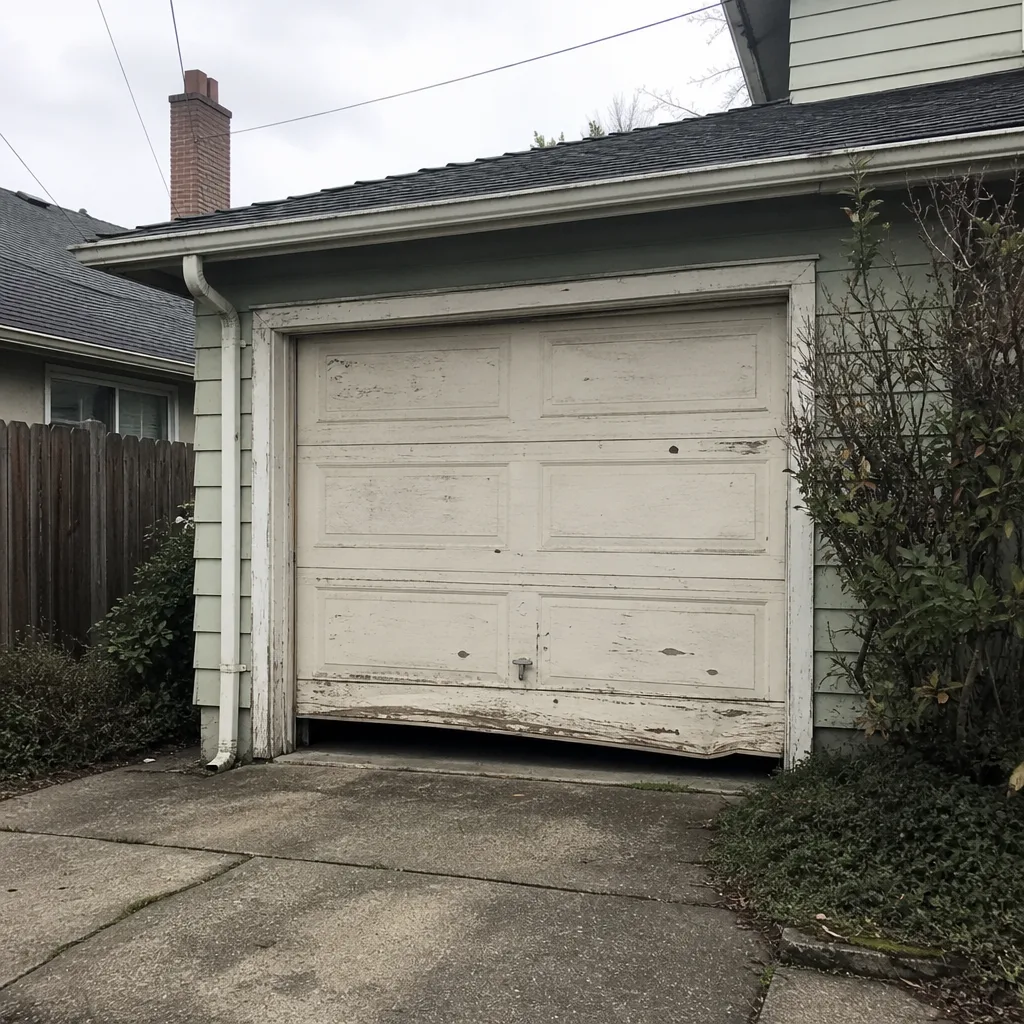 Before
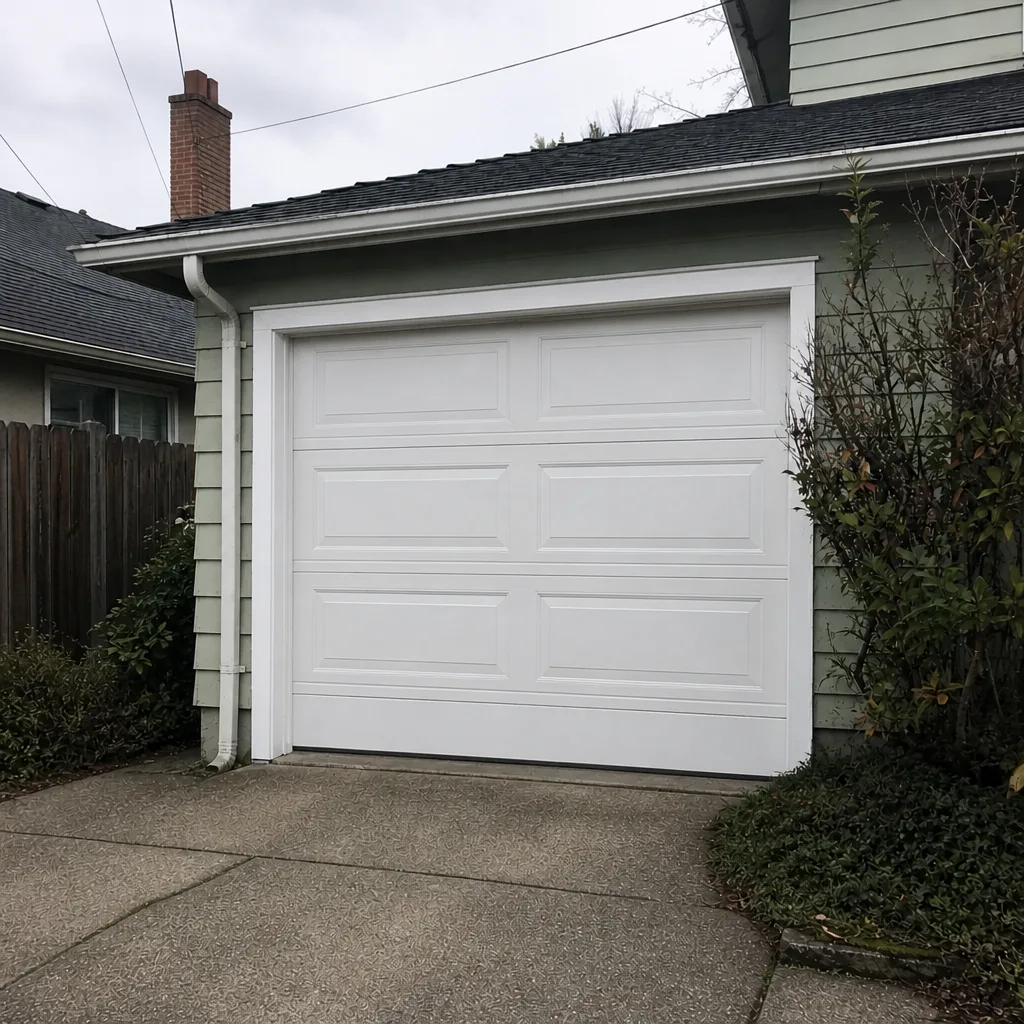 After
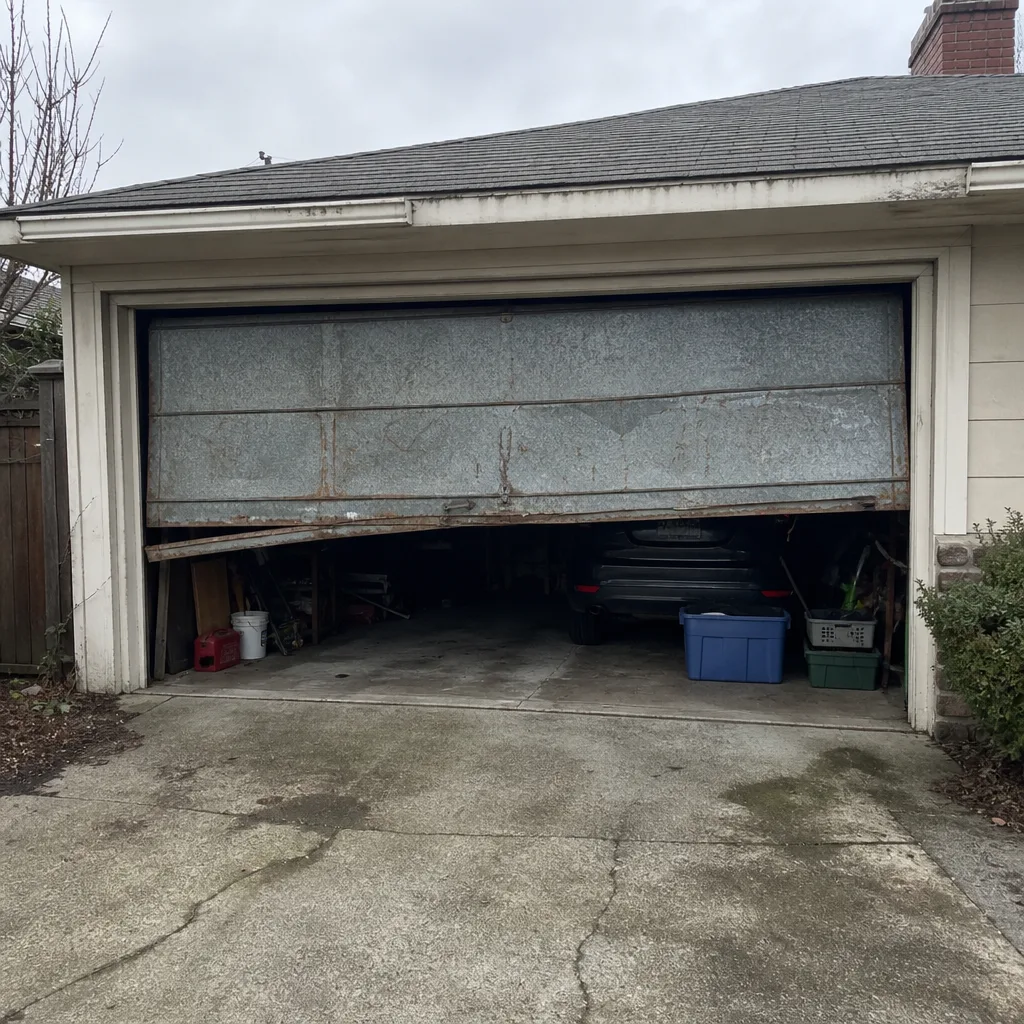 Before
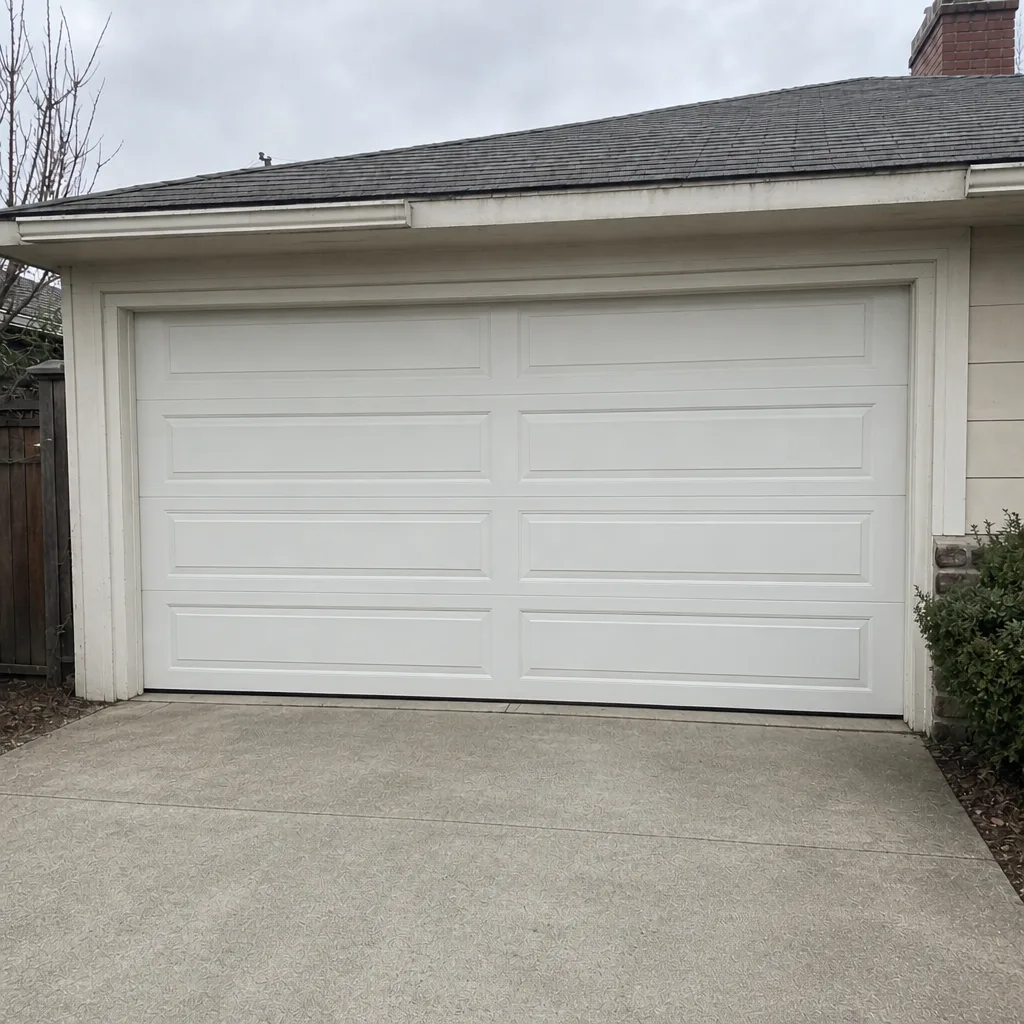 After
When to Call a Professional
Some garage door problems are genuinely worth a call rather than a look. A broken spring is the clearest one: the door will be heavy and unbalanced, and the spring hardware is under tension that can cause serious injury. Don’t try to open the door manually and don’t reach for the spring or cables. A door that reverses on its own, stops partway, or lifts unevenly usually points to a spring, cable, or balance issue, and those are all trained-technician territory. Opener problems, from a remote that won’t connect to a travel limit that needs adjusting, are less dangerous but often still worth professional diagnosis if you’ve already tried the basic resets. And if your door is bent, has a cracked panel, or has come off its track, get a professional in before anyone uses it.
Garage Door Repair Ballard offers free estimates in Ballard. Call (866) 937-8805 and we’ll walk through what’s happening, what’s likely involved, and what it will cost before anyone starts work. Our technicians have up to 10 years of experience and work on the brand already installed on your door.
Frequently Asked Questions
Ask two questions: what brands they work on, and whether they carry springs and hardware on hand. A specialist names specific brands and confirms they stock parts directly. A generalist gives a vague “we can handle anything” and usually has to order components from a third party, which delays the job.
No. Washington’s L&I contractor registration covers general requirements like bond and insurance minimums, but it doesn’t evaluate garage door-specific competence. A registered contractor who has never done spring work and a registered door specialist hold the same license category, so registration is a starting point, not a qualification. Call (866) 937-8805 if you’d like to talk through what to check.
Because the scope is different, not just the markup. One quote may be for a single spring, another for a matched pair, another for a different spring type or cycle rating. Ask each contractor to state three things in writing: single or pair, torsion or extension, and the cycle rating. Once those match, the totals become comparable.
Only for very minor adjustments where no springs or cables are involved, and even then it’s worth weighing the parts-availability problem. Most real garage door work, including spring repair, opener diagnosis, and panel replacement, benefits from a specialist who knows your brand. For anything spring or cable related, hire someone who does it routinely.
An itemized quote names the part (with brand and model if applicable), the labor, any related hardware, and a note on what was inspected. For spring work it should specify the spring type, gauge, and whether it’s a single or a pair. The written price should be agreed before any work starts, and any additional work found on-site should require your approval first.
No. Torsion and extension springs are under extreme tension, and spring work causes serious injuries when attempted without training. Don’t try to open the door manually and don’t touch the spring or cable hardware. Call a professional. Spring repair is not an entry-level job, and a company that offers it as a core service is signaling it has technicians trained for it.
The Bottom Line
The biggest hiring mistake in Ballard isn’t overpaying; it’s hiring a generalist and finding out when something fails. Vetting for specialization means checking L&I registration first, then asking five questions about brands, parts on hand, spring matching, quote structure, and who does the work. Compare quotes by scope, not total, and always ask whether a spring quote is for one spring or a matched pair. Reliability lives in response time and parts inventory, not in promises about same-day dispatch. Run the seven-step process, get written quotes, and confirm the price is agreed before any work begins. If you’re ready to talk through your door, call (866) 937-8805 for a free estimate.
Written by the team at Garage Door Repair Ballard.