Last updated November 23, 2026
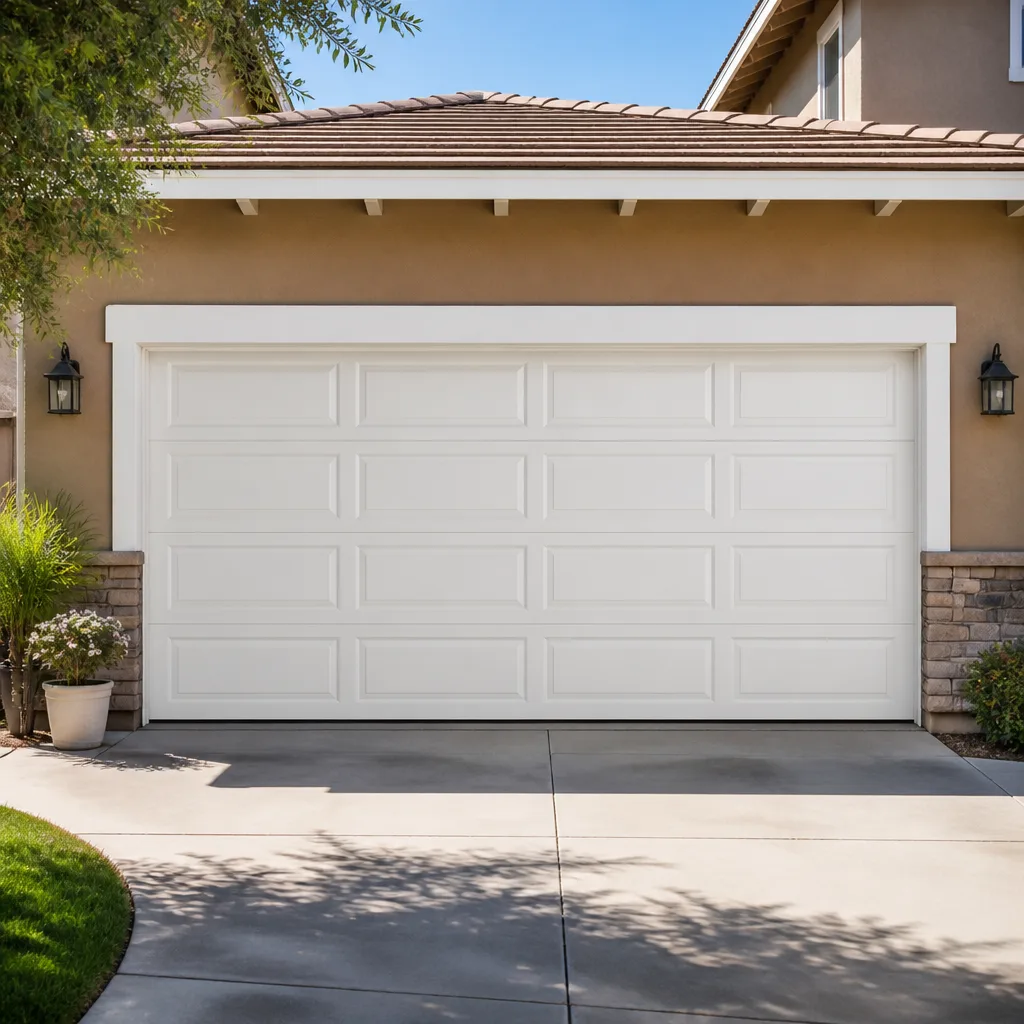 Raised-panel steel
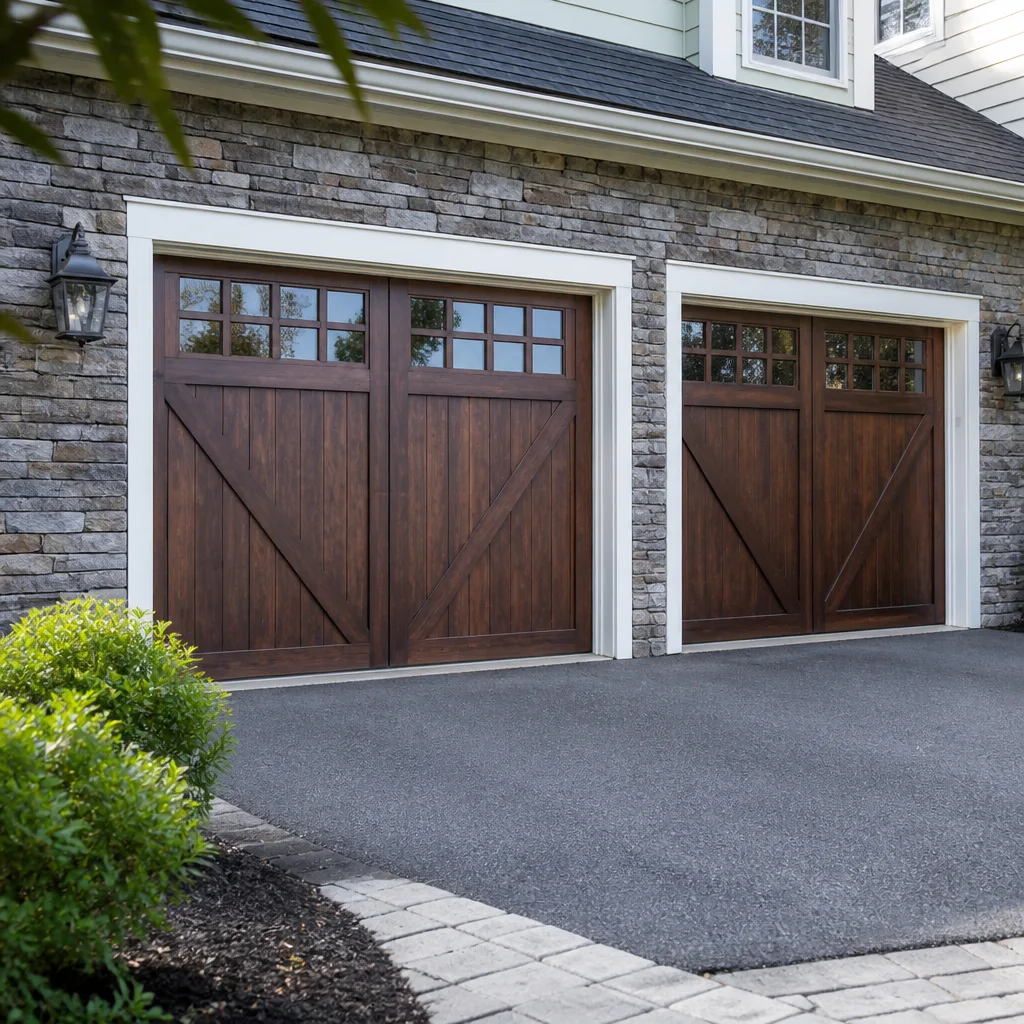 Carriage house
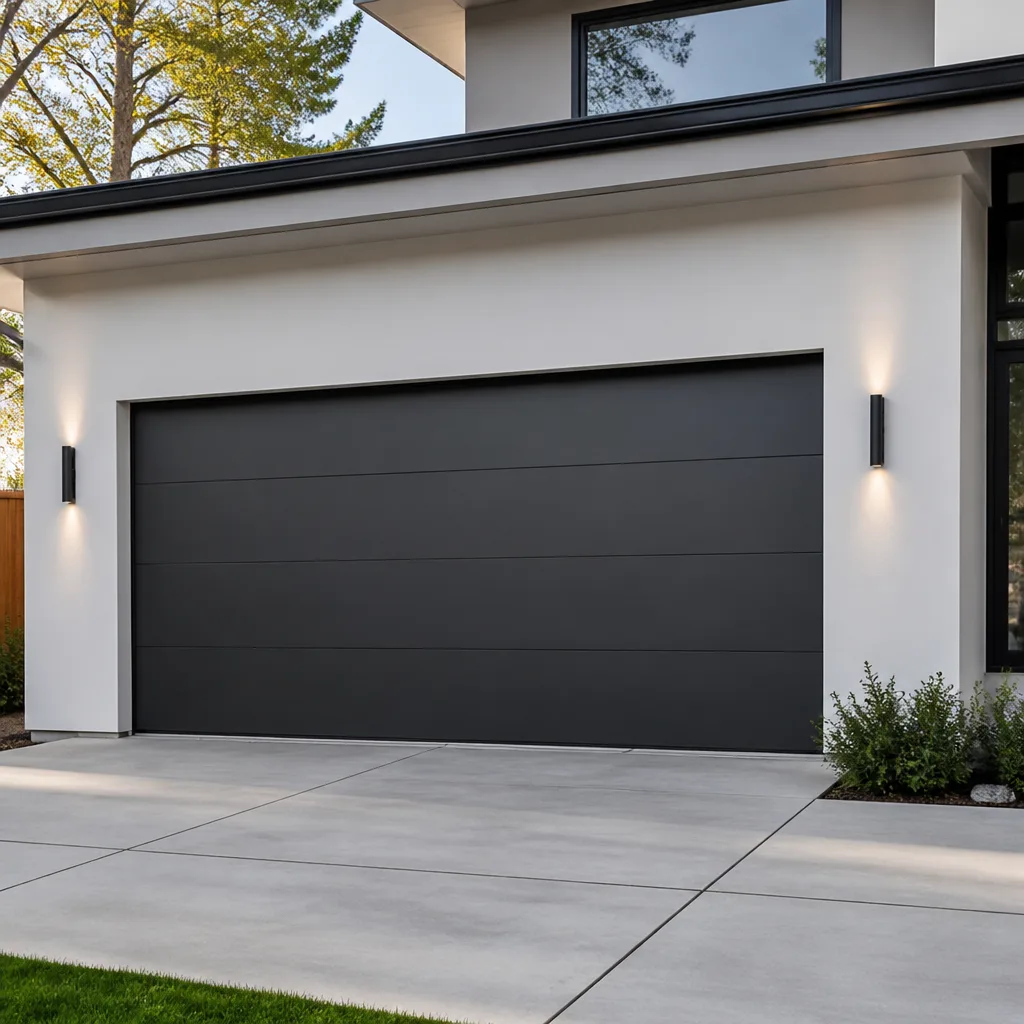 Modern flush
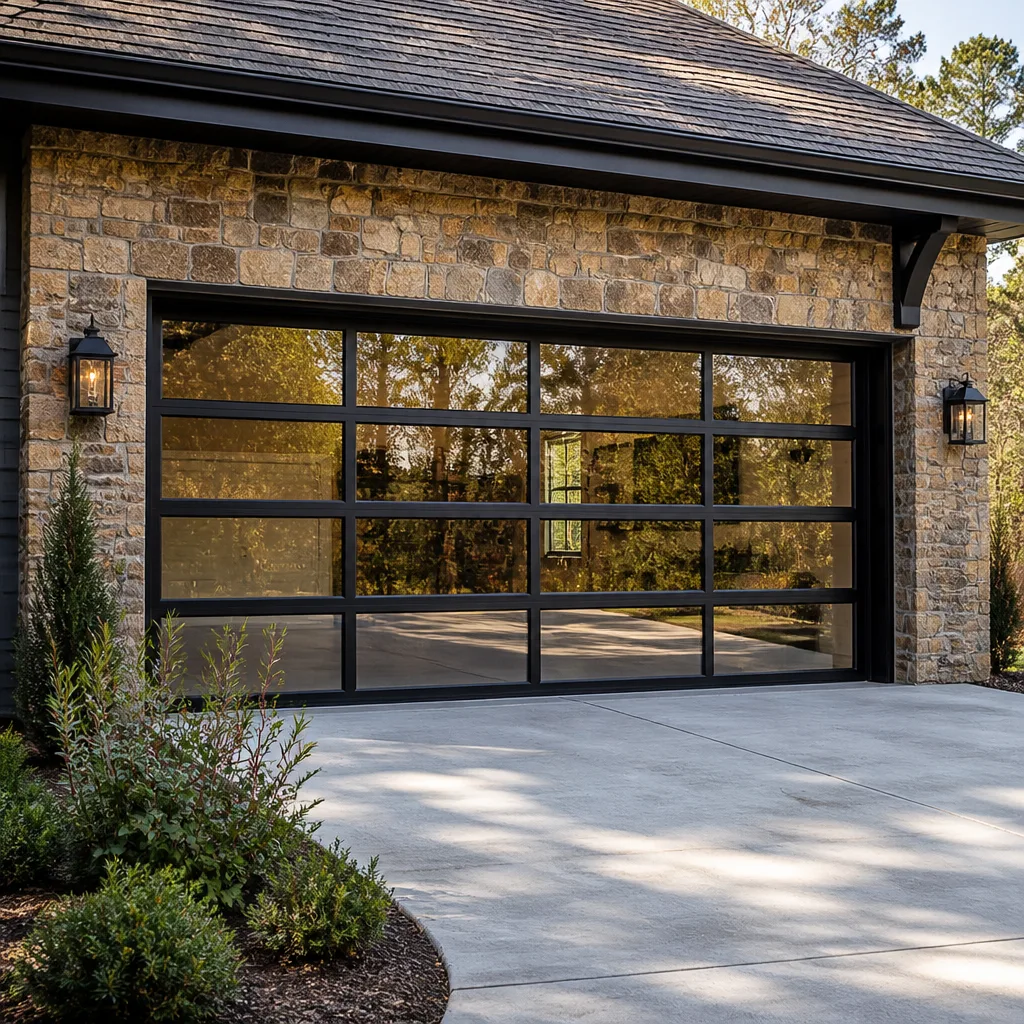 Full-view glass
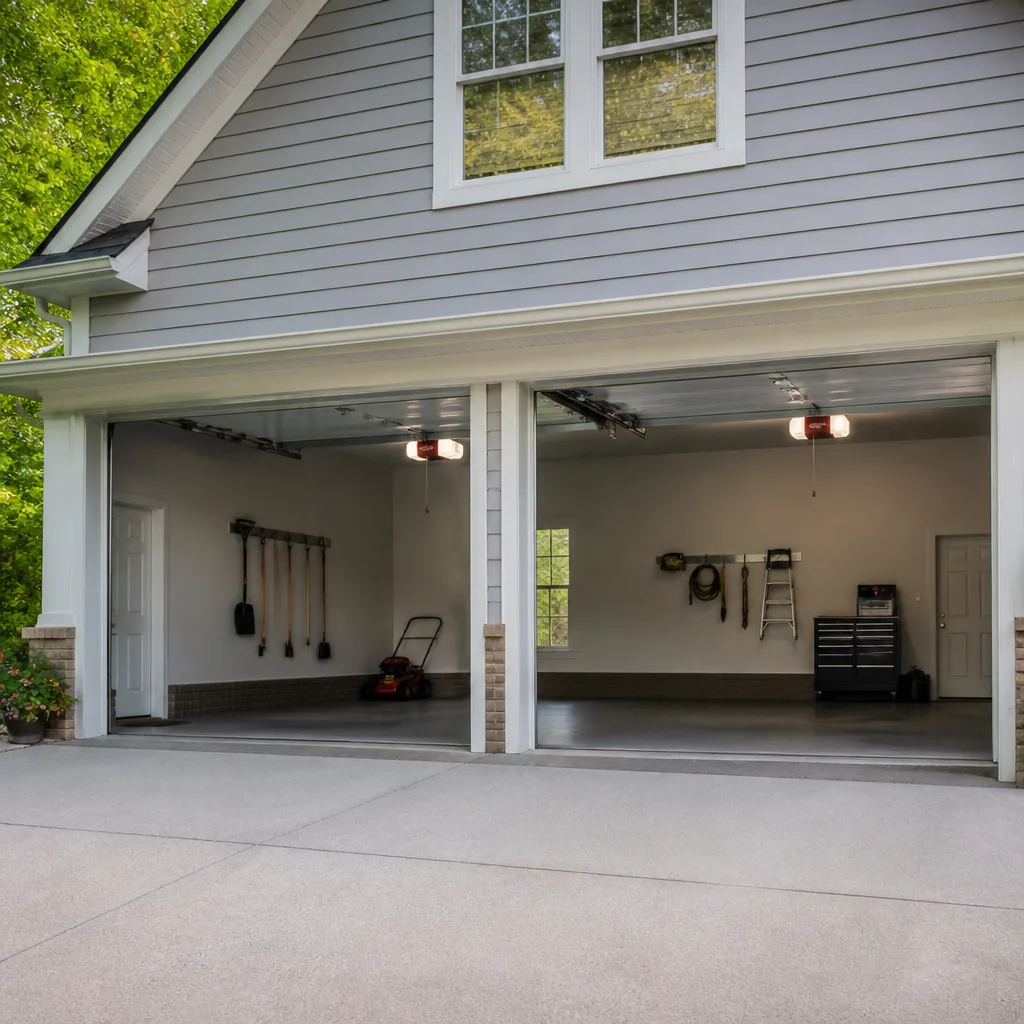 LiftMaster openers
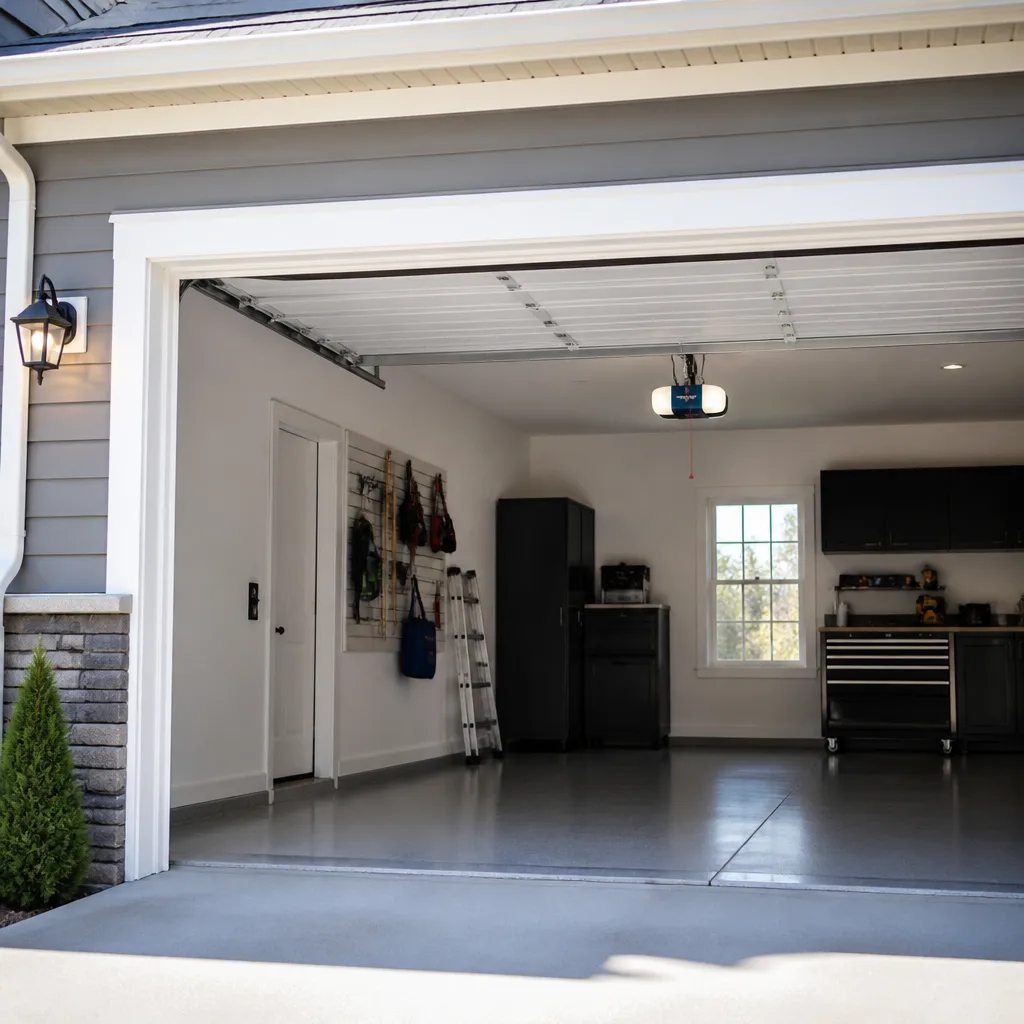 Chamberlain openers
Full 25-point door and opener safety check with every visit - springs, cables, rollers, tracks, and your LiftMaster or Chamberlain opener included
You get a price before we start. It does not change when the pro arrives.
Get your free estimateGarage Door Permits, Codes & Inspections in Ballard, WA: What You Need to Know
Most Ballard homeowners assume that replacing a garage door requires no permit at all, and for a standard like-for-like swap on a single-family house, they’re usually right. The trouble starts when the door belongs to a detached accessory dwelling unit, when the opening itself has to change size, or when someone has converted a garage into living space and now wants a door back on it. We’ve watched Ballard homeowners get caught out by exactly these cases, and the fix is rarely cheap once a job is underway without the right paperwork. This guide explains when a permit is required in Seattle, what a city inspection actually looks at, and how Ballard’s density rules and HOA overlays change the picture.
Quick Answer
In Ballard and the rest of Seattle, replacing a garage door in the same opening on a single-family home typically does not require a permit, but adding an opening, widening one, altering structural framing, or running new electrical for an opener generally does. Doors on accessory dwelling units and detached garages built under newer permits can require separate approval, and any door between an attached garage and living space must meet fire-rated assembly rules. When in doubt, call Seattle’s Department of Construction and Inspections before ordering the door.
Styles & brands we work with
- Raised-panel steel
- Carriage house
- Modern flush
- Full-view glass
- LiftMaster openers
- Chamberlain openers
Table of Contents
- When does a garage door replacement need a permit in Ballard?
- What Seattle Municipal Code says about garage door work
- How Ballard’s ADU and DADU boom changes the permit math
- Fire-rated doors between an attached garage and living space
- What a Seattle DCI inspection checks and how to prepare
- HOA overlays in Ballard’s planned communities
- What permits and inspections typically cost
- Common mistakes to avoid
When does a garage door replacement need a permit in Ballard?
A garage door replacement usually needs no permit in Ballard if the door goes back into the existing opening at the existing size, the header and jambs stay untouched, and no new wiring is involved. That’s the everyday case on the older bungalows and Craftsman homes that line the residential blocks west of 24th Avenue NW, and it’s why so many homeowners never think about permits at all. The door is treated as a fixture swap, much like replacing a window sash in the same frame.
The calculation changes the moment the work touches structure or systems. Here’s where a permit is generally triggered:
- New opening in a wall. Cutting a vehicle door into a solid wall means new framing and a new header, and both need review.
- Widening or raising an existing opening. Even a few inches of change to the rough opening counts as structural alteration.
- Header or post replacement. Rot repair on a load-bearing header is structural work, not a door swap.
- New electrical circuit. Adding an outlet or a dedicated circuit for a LiftMaster or Chamberlain opener requires an electrical permit, separate from any building permit.
- Changing the garage’s use. Converting a garage into habitable space, or back again, is a change of occupancy and always reviewed.
For anything in that second list, the safest move is a quick call to Seattle DCI. They’ll tell you whether your project lands in the exempt column or needs an application, and that one phone call protects you from a much bigger problem at resale. If your work is a straightforward spring or track problem rather than a structural change, garage door repair doesn’t require a permit at all, and we can confirm that when we quote the job.
What Seattle Municipal Code says about garage door work
Seattle’s building code follows the state-adopted model code, and the city layers its own administrative rules on top. The practical distinction for garage doors is between maintenance and alteration. Maintenance – swapping a door, changing a spring, replacing rollers, resetting a bent track – is treated as repair and stays out of the permit process. Alteration – anything that changes the opening’s dimensions, the framing around it, or the structure above it – is a permit item.
Two things catch people off guard. First, the line isn’t about how big the job feels; it’s about what the work touches. A full garage door installation in a new frame at the same dimensions can still be exempt if the framing is already rated for it, while a small framing change to fit a taller door can need review. Second, the door’s wind and impact rating matters on some properties, and a door that’s heavier or stiffer than the original can put different loads on the header and jacks. That’s a structural question, not a cosmetic one.
Code also governs the relationship between the garage and the house. A door between an attached garage and a dwelling isn’t just a privacy door; it’s part of a fire separation. We’ll get to that in its own section, because it’s the single most overlooked code point on Ballard remodels.
One rule of thumb we give homeowners: if you’re replacing a door with an identical-size door and no wiring changes, you’re almost certainly exempt. If anything about the size, the framing, or the electrical is different, ask the city first. It’s a ten-minute call versus a permit problem that surfaces years later during a sale inspection.
How Ballard’s ADU and DADU boom changes the permit math
Seattle has spent years loosening rules around accessory dwelling units, and Ballard has seen a steady stream of backyard cottages and garage conversions as a result. This is where the standard “no permit needed” instinct fails most often. A detached accessory dwelling unit on a Ballard lot is a separately permitted structure, and if its garage door is part of that permitted scope, swapping it isn’t the same as swapping a door on the main house.
Here’s why it matters. When a DADU or ADU is built, its plans specify the structure, the openings, and the fire separation between the garage and the living space above or beside it. If the original permit drawing calls for a specific door type or a rated separation, replacing that door with something different can put the unit out of compliance with the permit that allowed it. A garage door that gets heavier than the design assumed, or one that isn’t rated the way the plans required, can turn a routine replacement into an amendment.
Garage conversions raise the same issue in reverse. When a garage is converted to living space, the permit usually requires fire separation and often removes the vehicle door entirely. If a later owner wants to put a door back and use the space for parking again, that’s a change back toward garage use, and it gets reviewed.
We handle doors on Ballard ADUs and DADUs regularly, and our advice is always the same: pull the original permit records for the structure before ordering anything. Seattle DCI’s online records show what was approved and what the door scope was. If the records are unclear, order a custom-size door so it fits the existing opening without structural change, and you often avoid the amendment altogether. If you’re planning a fresh door for a newly built cottage, garage door installation on a permitted structure is a measured, scheduled job – we’ll come out, take exact dimensions, and quote in writing before anything is ordered.
Fire-rated doors between an attached garage and living space
Any door separating an attached garage from a house has to resist fire long enough for occupants to get out, which in practice means a solid-core or rated door with the right seals and self-closing hardware. Most Ballard homes with attached garages already have one. The problem comes up during remodels, when a homeowner replaces that door with something stylish and hollow, or removes the self-closer because it’s annoying.
Codes vary on the exact rating and the specifics of the assembly, so we won’t quote a section number here – ask your city’s building department for the requirement that applies to your project. What doesn’t vary is the principle: the door between garage and living space is a life-safety component, not a design choice. If you’re remodeling and the inspector flags it, the fix is a rated door with an approved frame, seals, and closer, and it isn’t optional.
This is also a place where garage door work and general remodeling overlap. A hollow flush door from the home center isn’t the same product. If a remodel plan shows a new door between the garage and a hallway, bedroom, or mudroom, make sure the spec names a rated assembly. During a garage door job, we’re looking at the vehicle door, the springs, and the opener – we don’t do framing or general remodel work – but we’ll flag a fire separation problem when we see one, because it’s exactly the kind of thing that stalls a final inspection.
What a Seattle DCI inspection checks and how to prepare
A garage door inspection, when one is required, is a check that the installation matches the approved plans and that the door and its hardware are safely installed. Inspectors aren’t looking for cosmetic perfection. They’re looking for structural headroom, correct attachment, and safe operation. Here’s what we tell homeowners to have ready:
- Approved plans on site. If the job was permitted, have the stamped drawings and the permit card available. The inspector needs to compare what’s installed to what was approved.
- Access to the opening and framing. Clear the garage so the inspector can see the header, jacks, and how the track is fastened. Boxes stacked against the wall slow the visit and sometimes force a re-inspection.
- Working opener and safety reverse. If the job included an opener, the safety reverse has to function. Test it before the inspector arrives – put a piece of wood in the door’s path and confirm it reverses.
- Spring balance check. A properly balanced door stays put halfway up. Inspectors don’t measure spring tension, but an unbalanced door is a sign of sloppy installation.
- Labeling. If the plans specify a rated door or a particular assembly, the label on the door has to match. Peel-off labels are the most common reason a door fails on paperwork.
Most garage door inspections pass on the first visit when the plans are on site and the door operates correctly. The failures we hear about are almost all administrative: wrong door ordered, missing label, or opener not functioning. Preparing for those four things takes twenty minutes. If your opener is the weak link, garage door opener repair is usually a quick fix, and we’ll test and adjust the safety reverse as part of the visit.
HOA overlays in Ballard’s planned communities
Several of Ballard’s planned communities and newer townhome developments carry architectural review requirements through a homeowners association. An HOA overlay doesn’t replace the city’s code – it sits on top of it. You still need whatever permit Seattle requires, and you may also need your HOA’s architectural committee to approve the door’s color, style, and material before you buy it.
The practical consequence is sequencing. If you order a custom door in a color the HOA later rejects, you own the problem. The safer order of operations is:
- Check with Seattle DCI on whether your specific job is exempt or permitted.
- Get the HOA’s architectural approval in writing for the door style and color.
- Order the door and schedule the install once both are settled.
This matters most in developments where every unit’s garage faces the street and the design guidelines are strict about panel patterns. A Raynor or Clopay door that coordinates with the neighborhood may be required, and a LiftMaster or Genie opener with a quiet belt drive may be specified to keep noise down in attached townhomes. Get the approval in writing, keep a copy, and you’ll never have to argue about it later.
What permits and inspections typically cost
Permit and inspection fees in Ballard are set by the city and vary with the scope of the job, so treat any number you hear as an estimate that the permit counter will confirm. The garage door work itself is a separate line, and here’s what that typically runs:
| Item | Typical estimated range |
|---|---|
| Single torsion spring replacement | $180-$340 (one spring) |
| Matched pair of springs | About twice the single-spring range |
| Garage door repair (track, rollers, cables) | Quoted per job after inspection |
| New garage door installation | Measured and quoted in writing |
| Opener replacement | Quoted per job, brand-dependent |
Every price we give is an estimate until the door is measured and the scope is confirmed – the written quote is what sets the final price, and we agree it with you before any work starts. That way you’re never surprised by an invoice bigger than the number you said yes to. City permit fees are separate and paid to the city, and your HOA may charge its own architectural review fee.
If you’re in an older Ballard home near the locks or up toward Sunset Hill and your project touches framing, build in time for the permit review. The door work itself is fast; the paperwork is the variable. Call (866) 937-8805 and we’ll walk you through what your specific job likely needs.
Common Mistakes to Avoid
- Assuming an ADU door is the same as a house door. Detached accessory dwelling units have their own permit history, and replacing a door outside that approved scope can trigger an amendment. Pull the records before you order.
- Ordering a door before checking the opening. A custom door sized to the existing opening often avoids structural change entirely. Ordering first and framing later is how small jobs become permitted projects.
- Replacing a fire-rated door with a hollow one. The door between an attached garage and living space is a life-safety component. A hollow flush door from the home center isn’t the same product, and an inspector will catch it.
- Forgetting the electrical permit for a new opener circuit. A new outlet or dedicated circuit is an electrical permit item even when the door swap itself is exempt. Mention the opener to your electrician up front.
- Skipping the HOA approval. Ballard’s planned communities often require architectural sign-off on door color and style. Buying first and asking later means eating the cost of a door you can’t install.
- Treating an inspection like a formality. Have the approved plans, the permit card, and a working safety reverse ready. Most failures are administrative, and a re-inspection costs time.
- Touching a torsion spring yourself. Torsion and extension springs store enormous energy, and a spring under load can cause serious injury in an instant. Spring work is not a homeowner job, and it’s not a permit issue either – it’s a safety one.
See the difference
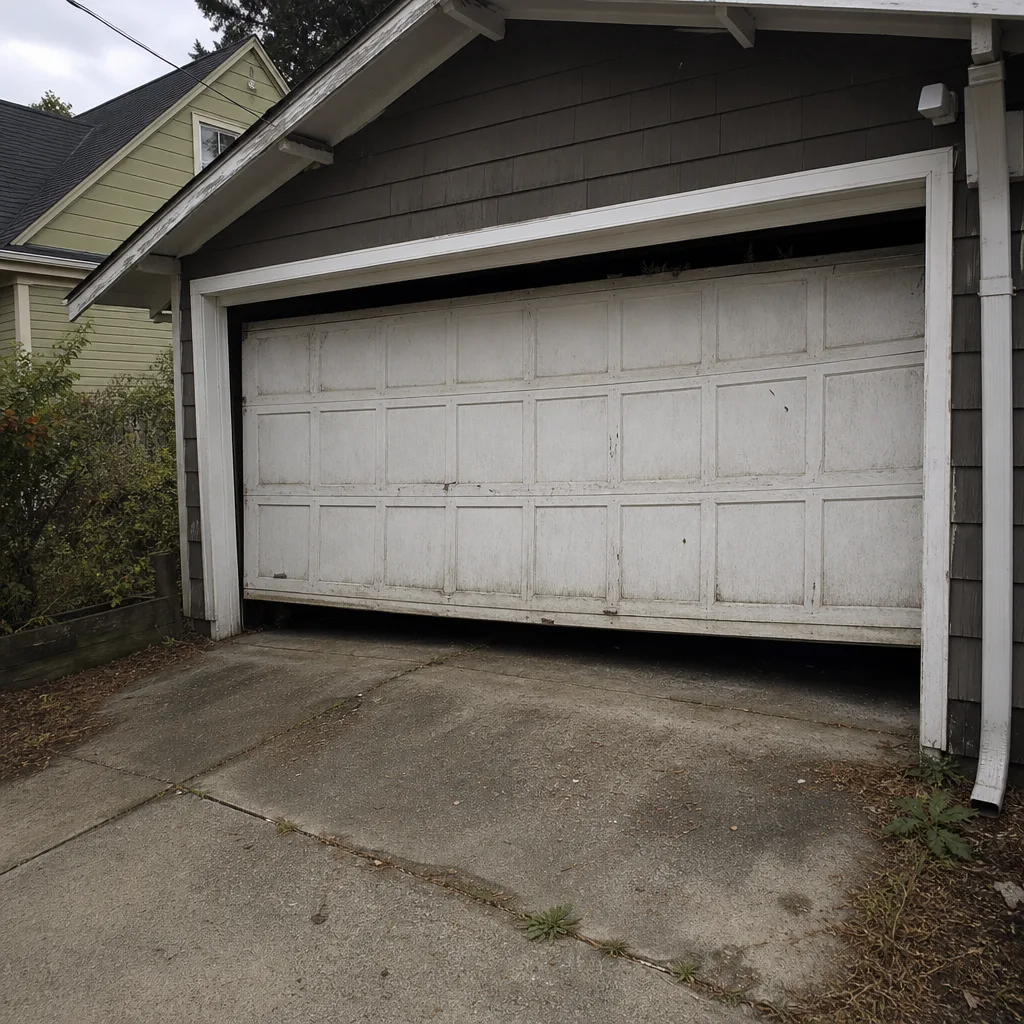 Before
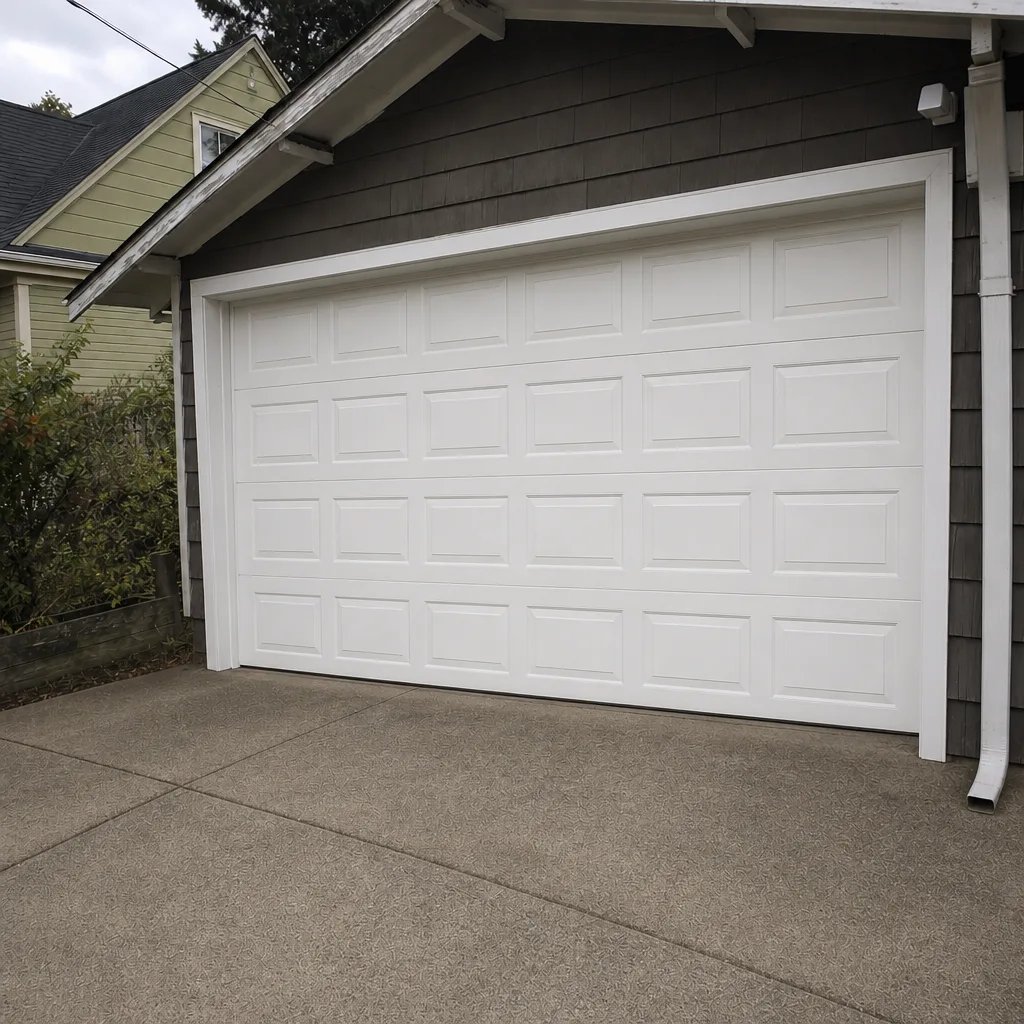 After
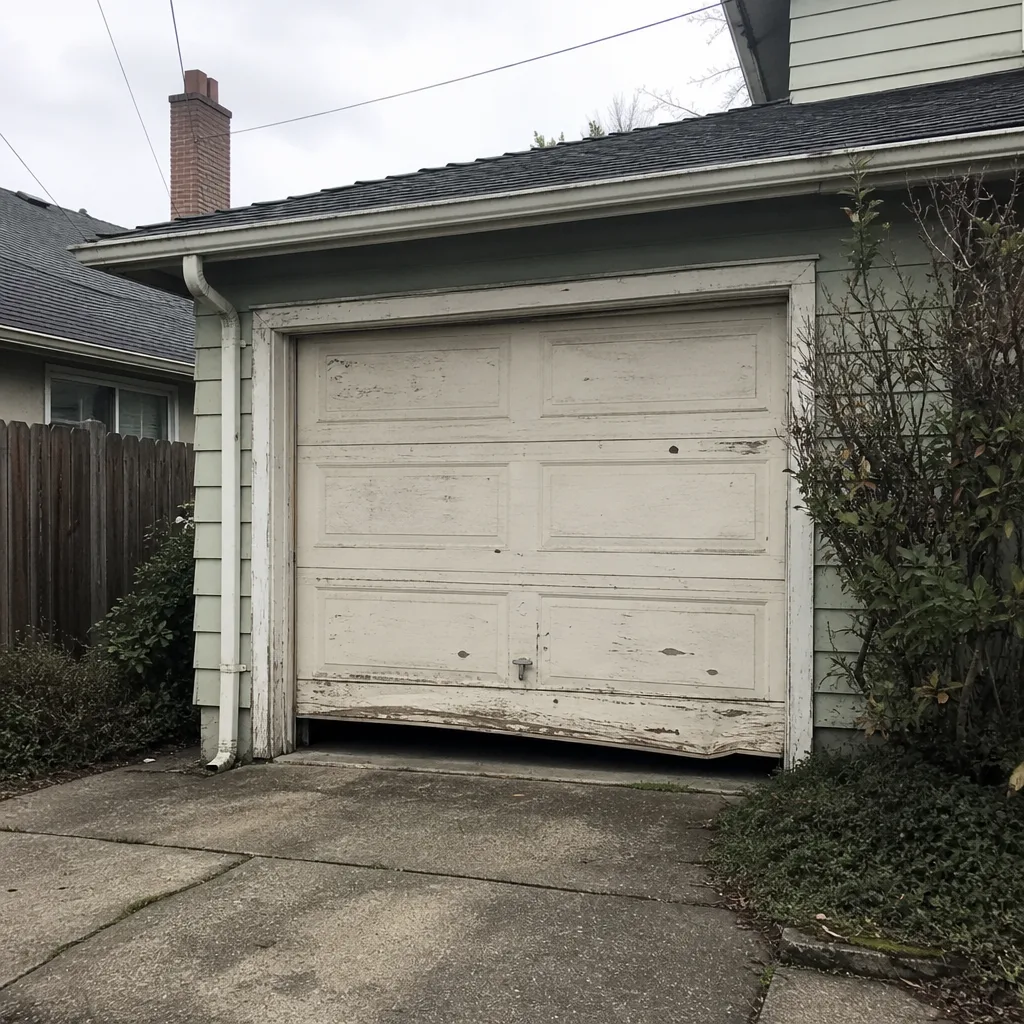 Before
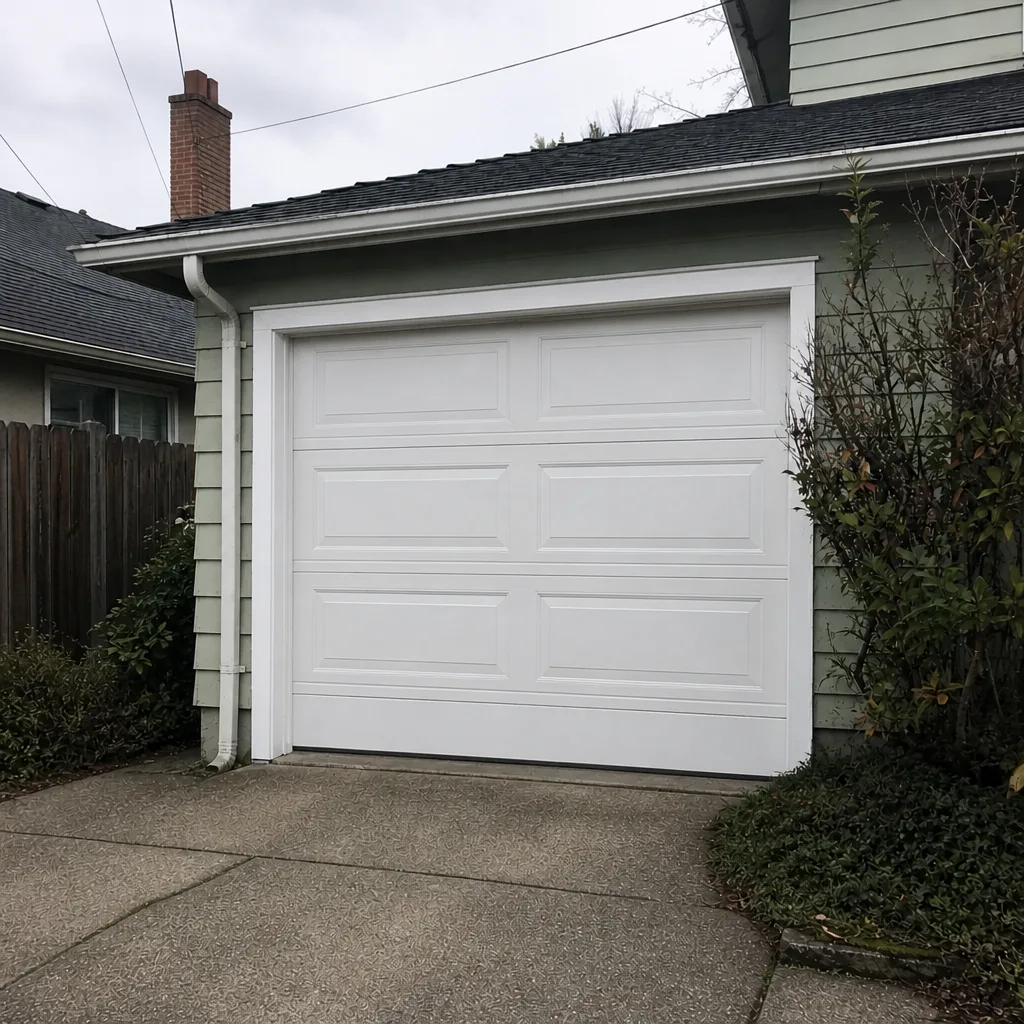 After
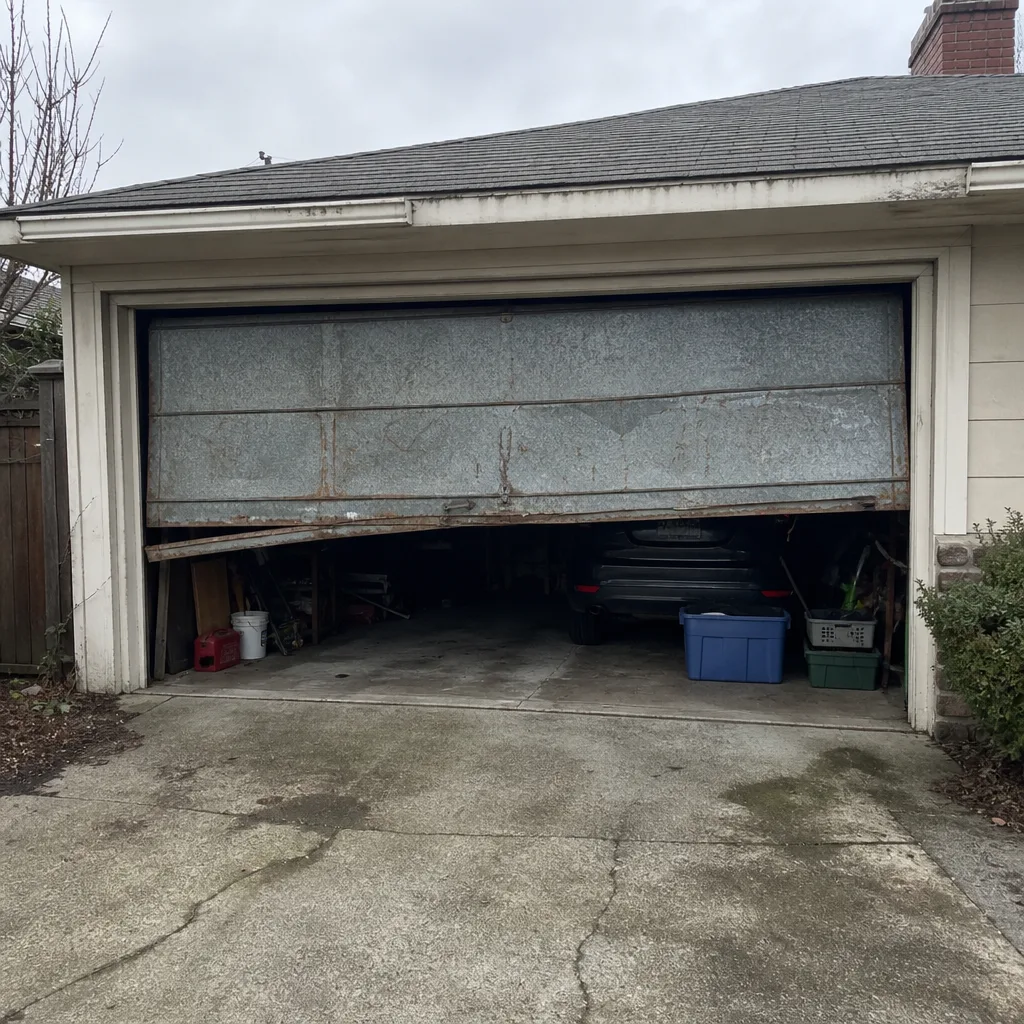 Before
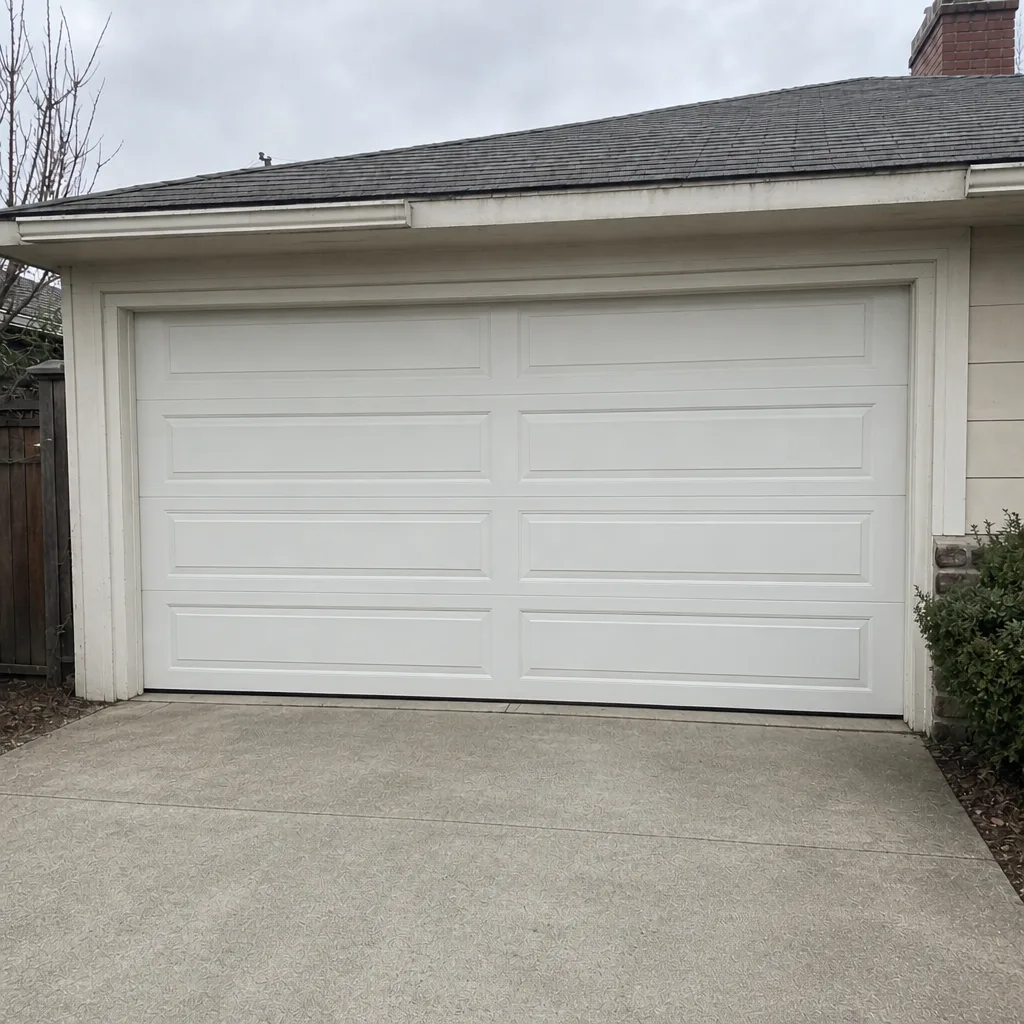 After
When to Call a Professional
Call us when the door won’t open or close, when a spring has snapped and the door is too heavy to lift, when the opener runs but the door doesn’t move, or when you’re planning a replacement and want an accurate measurement before you commit. We’re garage door specialists, not generalists – we work on whatever brand is already there, from a legacy Craftsman opener to a modern LiftMaster with myQ. Our technicians have up to 10 years of experience, and we carry common parts in stock so a simple fix doesn’t wait on a third-party order. We don’t do framing, electrical, or permit applications; for structural or code questions, your city building department is the right call. Garage Door Repair Ballard offers free estimates in Ballard – call (866) 937-8805.
Frequently Asked Questions
Usually no. Replacing a door in the same opening at the same size, with no framing or electrical changes, is typically exempt in Seattle. If the work changes the opening size, the framing, or adds a new circuit, call Seattle DCI to confirm what’s required. For an exact quote on the door work itself, call (866) 937-8805 – estimates are free.
It can. A DADU is a separately permitted structure, and replacing its door outside the approved scope may require an amendment. Pull the original permit records for the structure before ordering anything, then call (866) 937-8805 and we’ll take exact dimensions for a door that fits the existing opening.
Yes. Converting a garage to habitable space is a change of occupancy and is always reviewed, usually with fire separation requirements between the former garage and the rest of the house. Ask Seattle’s Department of Construction and Inspections what your specific project needs before you start. When the conversion is done and you’re back to a vehicle door, call (866) 937-8805 for a free estimate.
An inspector checks that the installation matches the approved plans and that the door, hardware, and opener operate safely – attachment, balance, and the opener’s safety reverse. Have the stamped plans, permit card, and a clear work area ready. If your opener needs adjustment or repair first, call (866) 937-8805 and we’ll get it working before the visit.
No. We measure the opening, confirm the scope, and quote in writing before any work starts – that quote is the price. The only reason a number changes is if the job turns out to need something outside the agreed scope, and we’ll discuss that with you before proceeding. Call (866) 937-8805 for an exact estimate.
The local pro we connect you with is licensed and insured as their state requires. We work exclusively on garage doors, openers, springs, and related parts, and we’re experienced across Raynor, LiftMaster, Chamberlain, Genie, and other major brands. Call (866) 937-8805 to book a free estimate.
The Bottom Line
For most Ballard homeowners, a like-for-like garage door replacement is exempt from permitting – but the exceptions are real and expensive to get wrong. Doors on ADUs and DADUs carry their own approved scope. Any change to the opening’s size or framing needs review. The door between an attached garage and living space is a rated fire separation, not a design choice. And in Ballard’s planned communities, HOA approval sits on top of city code rather than replacing it. Check the permit records, get the HOA sign-off in writing, and never touch a torsion spring yourself. When you’re ready for the door work, we’re here. Visit Garage Door Repair Ballard or call (866) 937-8805 for a free estimate.
Written by the team at Garage Door Repair Ballard.