Last updated November 23, 2026
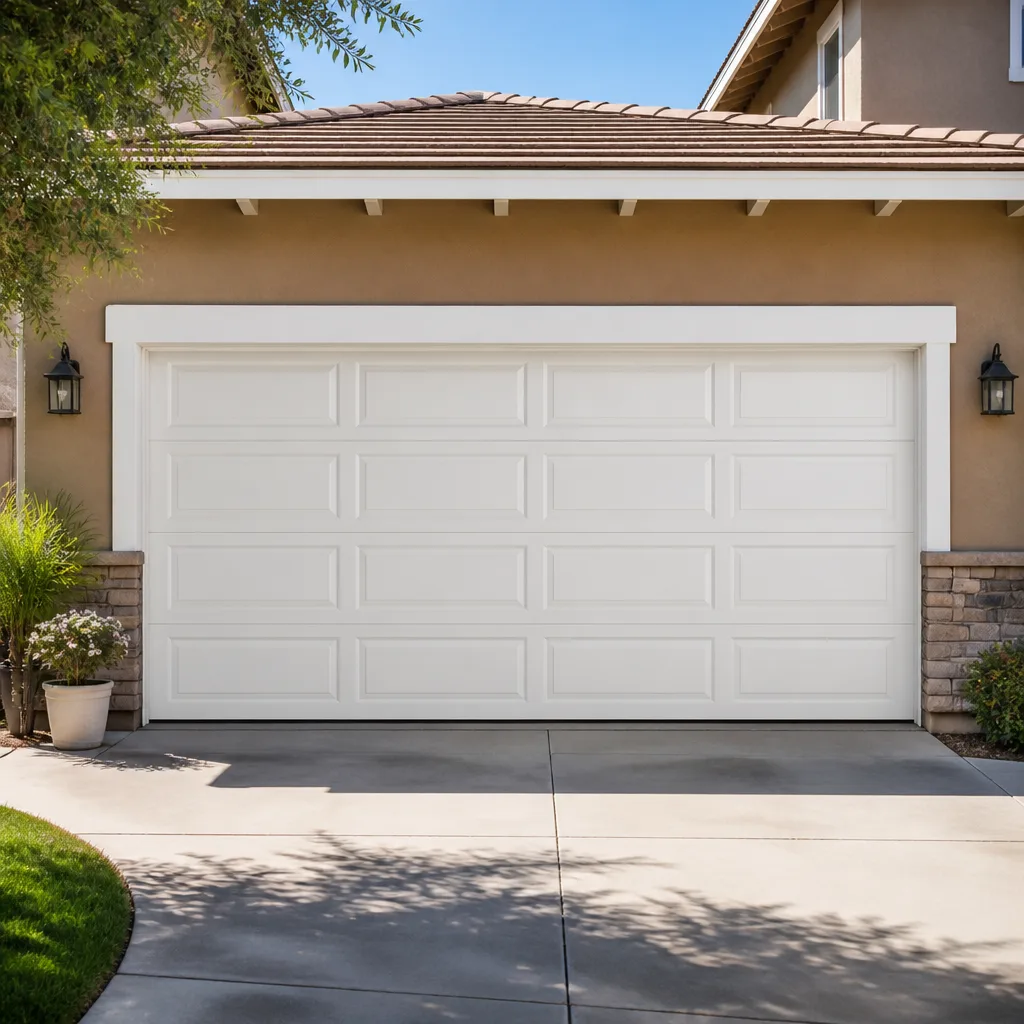 Raised-panel steel
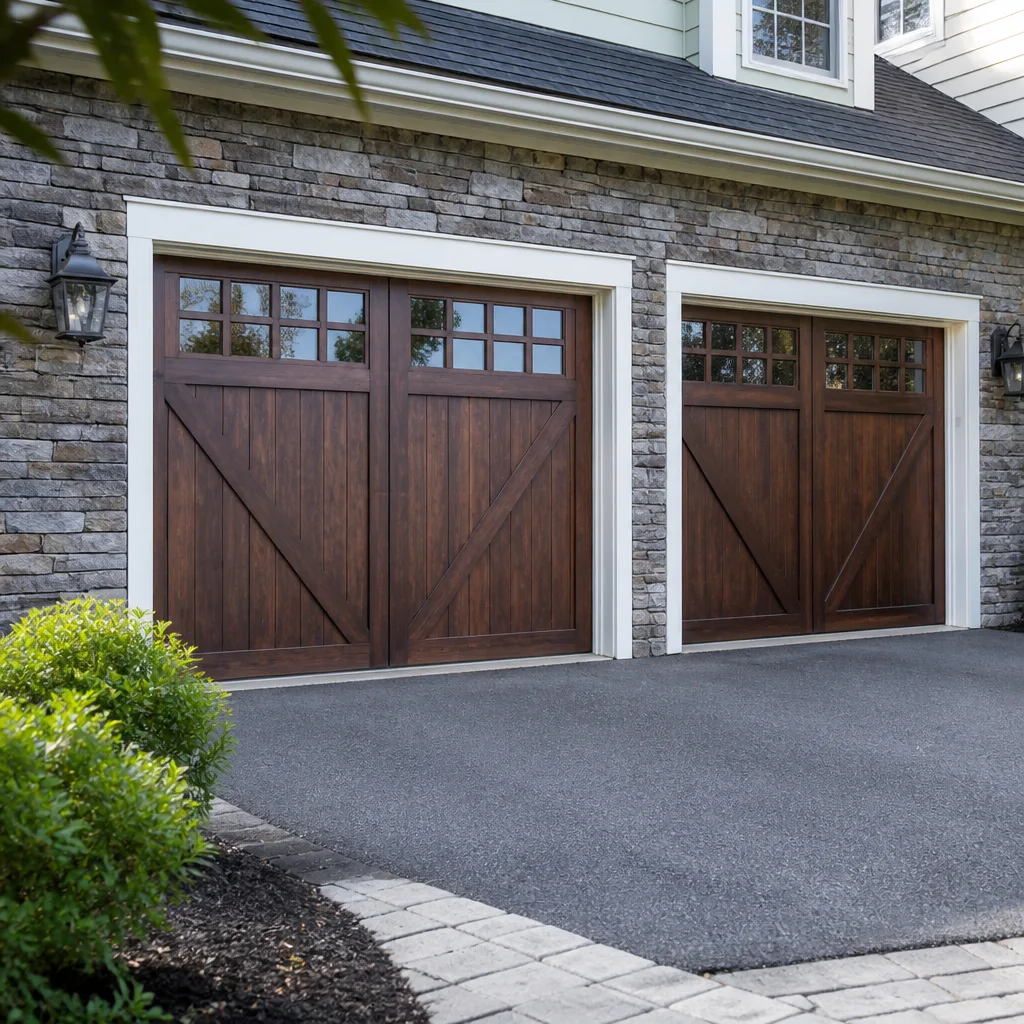 Carriage house
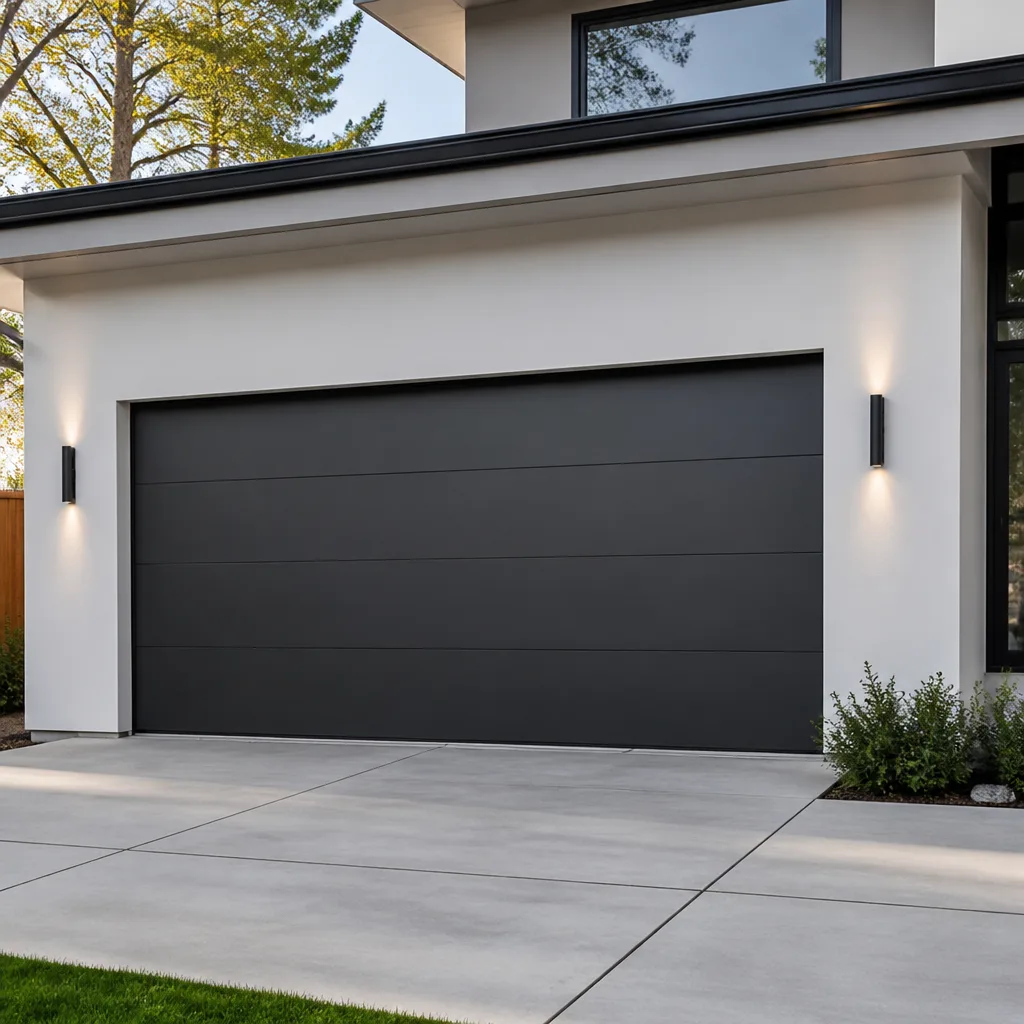 Modern flush
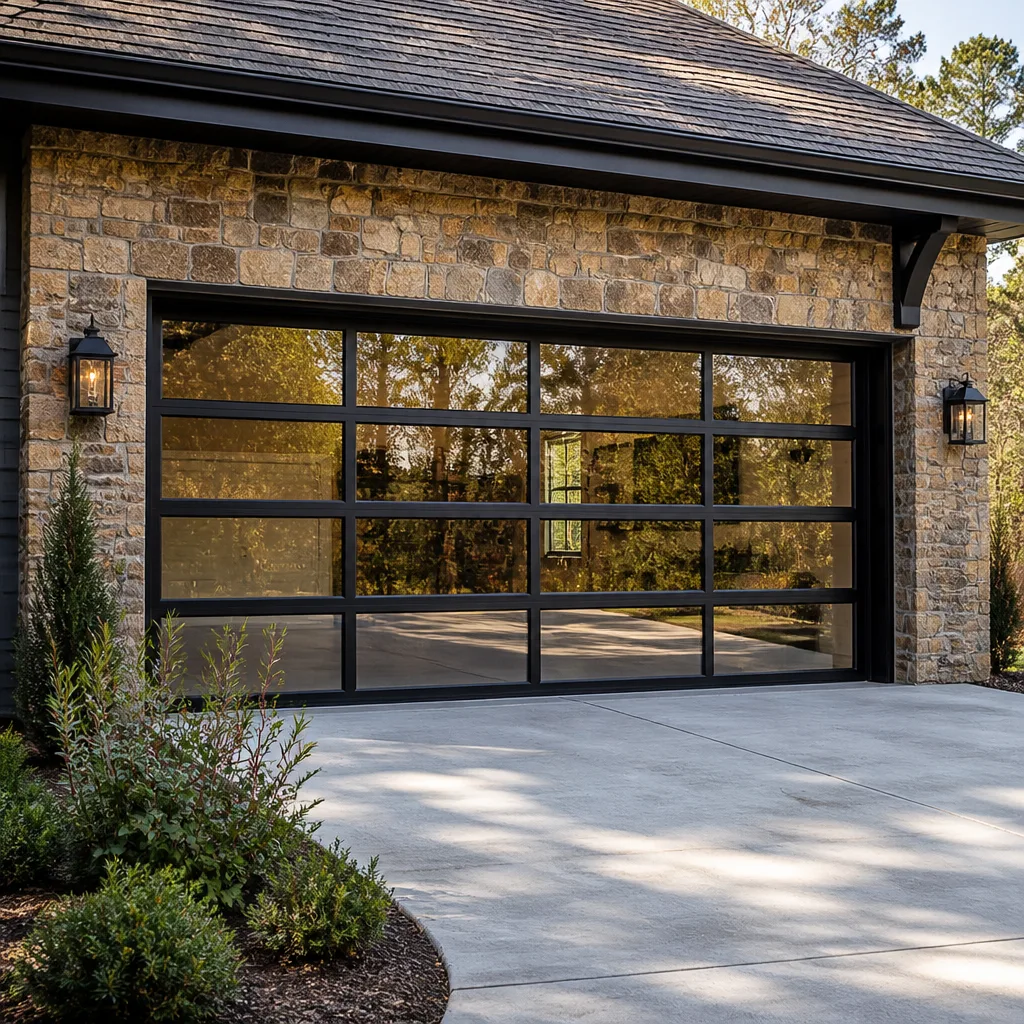 Full-view glass
 LiftMaster openers
 Chamberlain openers
Full 25-point door and opener safety check with every visit - springs, cables, rollers, tracks, and your LiftMaster or Chamberlain opener included
You get a price before we start. It does not change when the pro arrives.
Get your free estimateSeasonal Garage Door Care for Ballard: Year-Round Homeowner’s Guide
The most damaging day for a garage door in Ballard usually isn’t a snowstorm. It’s the first hard freeze in January, arriving after three weeks of wet, damp cycling. That’s when swollen wood sections bind in their tracks, bottom seals freeze to the concrete, and an opener that’s been quietly straining for weeks finally gives out. All in a 12-hour window most homeowners never see coming. National maintenance guides are written for places with real winters and dry summers. Ballard has something different: relentless moisture, occasional sharp freezes that catch everyone off guard, and a dry summer stretch that quietly dries out every seal on the door. This guide walks through the maintenance calendar that actually fits that pattern, season by season.
Quick Answer
Seasonal garage door maintenance in Ballard follows a moisture-driven calendar, not a snow-driven one. The highest-value work happens in fall, when you lubricate moving parts and check seal integrity before the wet season sets in, followed by a spring inspection after the freeze-thaw cycle and a summer check for UV damage on vinyl and wood. Springs, cables, rollers, and openers each fail on their own seasonal schedule, and knowing which component is vulnerable when lets you catch problems before they strand your car.
Styles & brands we work with
- Raised-panel steel
- Carriage house
- Modern flush
- Full-view glass
- LiftMaster openers
- Chamberlain openers
Table of Contents
- Why Ballard’s Climate Changes the Maintenance Calendar
- Fall Prep: The Highest-ROI Maintenance Window in Ballard
- When Your Door Freezes to the Floor: What to Do and What Not To Do
- Spring Inspection Priorities After the Freeze-Thaw Cycle
- Summer Dry-Season Checks: UV and Moisture Loss
- Component-by-Component Seasonal Failure Windows
- The Ballard Garage Door Maintenance Calendar at a Glance
- What You Can Check Yourself and What Needs a Technician
Why Ballard’s Climate Changes the Maintenance Calendar
Most garage door care advice assumes a simple pattern: cold winters that stress metal, hot summers that stress everything else. Ballard doesn’t work that way. The dominant force here is moisture cycling. Doors spend weeks damp, dry out briefly, get damp again, and repeat that pattern through most of the year. That cycling does more cumulative damage to wood sections, steel panels, hinges, and rollers than a single deep freeze ever would.
Then there’s the freeze. Ballard doesn’t get long, predictable cold snaps. It gets short, sharp ones, often after a stretch of wet weather. That combination is the worst case for a garage door. Water works its way into wood grain, panel seams, and the gap under the bottom seal. When the temperature drops fast, that trapped moisture expands, and things that were fine yesterday suddenly bind, crack, or freeze solid.
Summer flips the problem. The dry stretch here is long enough to pull moisture out of wood panels and harden vinyl seals that spent the rest of the year damp. A seal that stays pliable through the wet months can turn brittle by August without anyone touching it.
The practical takeaway: in Ballard, you maintain against moisture first and temperature second. That’s the opposite of what most national guides tell you, and it’s why a fall lubrication and seal check matters more here than a winter snow-and-ice routine.
Fall Prep: The Highest-ROI Maintenance Window in Ballard
If you do one round of garage door maintenance a year in Ballard, do it in fall. Everything you protect now is something the wet season won’t get a chance to damage. This is the window where a couple of hours of work saves you a repair call in January.
Start with the seals. The bottom seal is your door’s first line of defense against water sitting on the slab, and a cracked or flattened seal lets moisture wick up into the door and into the frame. Run your hand along the bottom with the door closed and feel for gaps, hard spots, or sections that don’t touch the floor evenly. Check the perimeter weatherstripping on the sides and top the same way.
Then lubricate. Every hinge pivot, every roller bearing, the torsion spring coils if your door has them, and the opener’s rail and chain or belt. Use a garage-door-specific lubricant, not general-purpose oil, which attracts grit. A dry silicone or lithium spray on hinges and rollers, and a proper spring lubricant on the coils, will carry you through the wet months.
Finish with a hardware check. Wiggle every hinge and roller bracket. Look at the cables for fraying or kinks. Listen to the door as it opens and closes: grinding, squealing, or a door that hesitates are all early warnings that show up before a full failure. If your opener is a LiftMaster or a Chamberlain with the myQ app, this is also the time to test the safety reverse and confirm the app still reports the door’s status correctly.
When Your Door Freezes to the Floor: What to Do and What Not To Do
This is the scenario that catches Ballard homeowners off guard, and it’s the one where the wrong reaction does the most damage. A door frozen to the floor looks like a normal door until you press the button. The opener strains, the motor whines, and within a few cycles you’ve burned out a gear or stripped a drive assembly that was perfectly fine before the freeze.
Here’s the sequence that protects your opener:
- Don’t hit the button repeatedly. If the door doesn’t move on the first press, stop. Repeated attempts under load are what kill opener motors and gears.
- Release the opener. Pull the manual release cord so the door is disconnected from the motor. Now the door can be worked by hand without the opener fighting the ice.
- Free the seal gently. Warm the bottom seal along its length. A heat gun on low, held well back and kept moving, or a hair dryer works. Never use a flame, and never pry at the seal with a metal tool, which tears the rubber and can crack the door’s bottom section.
- Lift by hand, slowly. Once the seal is free, lift the door manually and check that it moves smoothly through its full travel. If it binds, stop and look for the cause before reconnecting the opener.
- Dry the floor and the seal. Once the door is open, wipe down the bottom seal and clear any standing water from the threshold. Refreezing the same spot is common.
- Reconnect and test. Reengage the opener, run the door through one full cycle, and confirm the safety reverse still works.
What not to do: don’t force the door up with the opener still connected, don’t pour hot water on the seal (it refreezes and can crack the rubber), and don’t chip at the ice with a shovel or scraper. The fix for a frozen door is patience and gentle heat, not force.
Spring Inspection Priorities After the Freeze-Thaw Cycle
By the time the freezes are behind you, your door has been through its hardest stretch of the year. Spring is when you find out what the winter did, and the order you inspect in matters. Check the highest-risk components first, because a failure there is both the most dangerous and the most expensive.
Start with the springs. Torsion springs sit on a shaft above the door; extension springs run along the sides. Look for visible gaps or separations in the coils, a spring that’s clearly stretched out of shape, or a door that feels much heavier than it did in the fall. A broken spring usually announces itself with a loud bang, but a weakening one just makes the door sluggish, and that’s easy to miss.
Then the cables. Cables do the actual lifting work alongside the springs, and winter cycling is hard on them. Look for fraying, kinks, or a cable that’s come off its drum. If a cable is damaged, stop using the door. This is not a component to test by running the door repeatedly.
After the springs and cables, move to the smaller parts:
- Rollers: worn or flat-spotted rollers cause the door to run rough and strain the opener. Look for rollers that no longer spin freely or that have visible flat spots.
- Hinges: check for looseness, rust, or bent leaves. Tighten what’s loose and replace what’s bent.
- Tracks: look for dents, misalignment, or debris. A track that’s out of alignment will bind the door no matter how good everything else is.
- Panels: on wood or wood-composite doors, check for swelling, cracking, or paint failure at the seams, which is where moisture gets in.
- Opener: run a full open-close cycle and test the safety reverse. Listen for any change in the motor’s sound compared to fall.
Summer Dry-Season Checks: UV and Moisture Loss
Ballard’s dry stretch is when the damage is quiet. Nothing fails dramatically in July, but the door is losing moisture and taking UV exposure every day, and by fall you’ll find the results. Summer maintenance is about catching that slow degradation.
Vinyl and rubber seals are the first thing to check. A seal that was soft and pliable in spring can turn hard and brittle after weeks of sun and dry air. Run your hand along the bottom seal and the perimeter weatherstripping. If it feels stiff, is starting to crack, or has pulled away from the door, replace it before the wet season returns. This is the cheapest maintenance you’ll do all year and the one that saves the most.
Wood and wood-composite doors need a moisture check. In dry weather, wood panels shrink slightly, and that’s when seams open up and paint fails. Walk the door and look for hairline cracks at panel joints and any spot where the finish has flaked. Those are the entry points for the fall rains. Sand and touch up paint now, while it’s dry and the repair will hold.
Steel doors have their own summer issue: the finish takes UV all season, and small scratches or chips become rust spots once the wet weather returns. Check the bottom section first, since that’s where most contact and damage happens, and touch up any bare metal.
This is also a good time to look at your opener’s moving parts again. Dry weather doesn’t stress them, but the rail and chain or belt can pick up dust over the summer, and a quick clean-and-relubricate keeps them quiet going into fall.
Component-by-Component Seasonal Failure Windows
Every part of a garage door has a season when it’s most likely to fail in Ballard’s climate. Knowing the schedule lets you check the right thing at the right time instead of waiting for a breakdown.
- Springs: the highest-risk window is late fall through the first freezes. Cold makes steel more brittle, and a spring that’s been cycling through the wet season is at its weakest when the temperature drops. Springs are also the most dangerous component on the door, which is why we treat spring work as a core service rather than a sideline.
- Cables: late winter into early spring, after months of moisture cycling and the freeze-thaw stress. Fraying and kinks show up here first.
- Rollers and hinges: fall, when the wet season starts and lubrication breaks down. A roller that ran fine all summer will start squealing once the damp sets in.
- Bottom seals and weatherstripping: end of summer, after the dry stretch has hardened them, and again in early winter once the freezes start testing them against the floor.
- Wood panels and finish: fall and winter, when moisture gets into any seam or crack the summer opened up.
- Openers: winter, specifically the first freeze, when a frozen door puts maximum strain on the motor. Modern smart-home openers from LiftMaster and Chamberlain report their status through an app, which makes it easier to notice a door that’s struggling before the motor fails.
We’ve seen this pattern hold across every brand we work on, from Wayne Dalton and Craftsman systems to Raynor and LiftMaster. The climate drives the schedule, and the brand just changes which parts you’re checking.
The Ballard Garage Door Maintenance Calendar at a Glance
Here’s the year condensed into a working checklist. This is the calendar we’d hand a Ballard homeowner who wants to stay ahead of failures rather than react to them.
- Early fall: inspect and replace bottom seal and perimeter weatherstripping; lubricate hinges, rollers, spring coils, and opener rail; tighten all hardware; test safety reverse.
- Late fall: final hardware and cable check before the first freeze; confirm the door closes flush to the floor with no gaps.
- First hard freeze: release the opener before testing a door that might be frozen; never force a frozen door with the motor.
- Late winter: listen for new noises and check spring tension by feel; a door that suddenly feels heavy needs a professional look.
- Early spring: full inspection in priority order (springs, cables, rollers, hinges, tracks, panels, opener).
- Summer: check seals for UV hardening, touch up wood and steel finishes, clean and relubricate opener moving parts.
- Late summer: replace any seal that’s gone stiff or cracked before the wet season returns.
Ballard’s mix of older homes and newer construction means the calendar looks slightly different door to door. A wood door in an older Ballard house needs more moisture and finish attention than a modern steel door, while a newer install with a smart opener benefits more from app-based monitoring. The seasonal structure stays the same.
What You Can Check Yourself and What Needs a Technician
Plenty of seasonal garage door care is safe to do yourself, and doing it well extends the life of the door. Some of it isn’t safe, and knowing the line is the most important part of this guide.
Safe for most homeowners:
- Visual inspection of seals, panels, tracks, and hardware
- Lubricating hinges, rollers, and the opener rail
- Tightening loose bolts and brackets
- Testing the safety reverse feature
- Cleaning and touching up paint or finish on panels
- Clearing debris from tracks and the threshold
Work that needs a trained technician:
- Any spring work, including adjustment, replacement, or disconnecting a spring under tension
- Cable replacement or re-spooling
- Track realignment after a door has come off track
- Opener motor, gear, or drive assembly repair
- Any situation where the door won’t balance or moves unevenly
Torsion and extension springs store enormous energy, and a spring that lets go while someone is working on it can cause serious injury. This isn’t a job to learn on. When a spring is involved, the right move is to stop and call a specialist. That’s a big part of why we handle garage door repair as a dedicated service rather than an add-on to general handyman work: spring and cable failures need the right training, and they’re the calls where shortcuts cost the most.
Common Mistakes to Avoid
- Forcing a frozen door with the opener. This is the single most expensive mistake Ballard homeowners make in winter. The opener takes the full load of a door that won’t move, and gears and drives fail fast under that strain.
- Skipping fall lubrication because the door “seems fine.” A door that runs quietly in September can start binding by November. Fall lubrication is the cheapest maintenance on the calendar and the one most often skipped.
- Using general-purpose oil or WD-40 as a lubricant. These attract grit and dry out, leaving hinges and rollers worse off than before. Use a lubricant made for garage door hardware.
- Ignoring a seal that’s gone stiff in summer. A hardened bottom seal looks fine until the first rain, and then it lets water straight into the door and threshold. Replace it in dry weather, not after it fails.
- Testing a door that might be frozen by pressing the button “just to see.” If you suspect ice, release the opener first and check the door by hand. The button is the thing that does the damage.
- Touching springs or cables yourself. These components are under constant tension and fail without warning. Visual inspection is fine; adjustment and replacement are not a homeowner job.
- Assuming a newer door doesn’t need seasonal checks. Modern doors and smart openers from LiftMaster or Chamberlain still have seals, rollers, and springs that follow the same seasonal cycle. The technology changes the monitoring, not the maintenance schedule.
See the difference
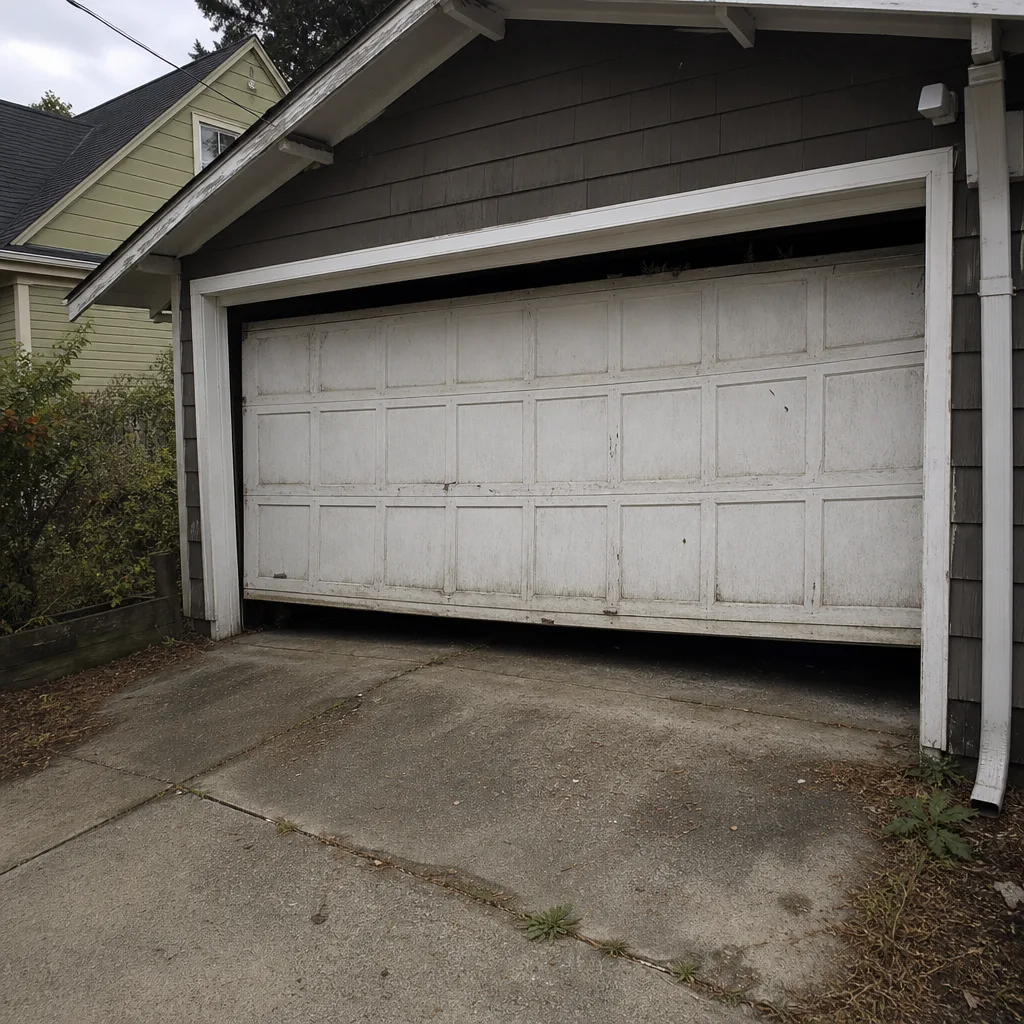 Before
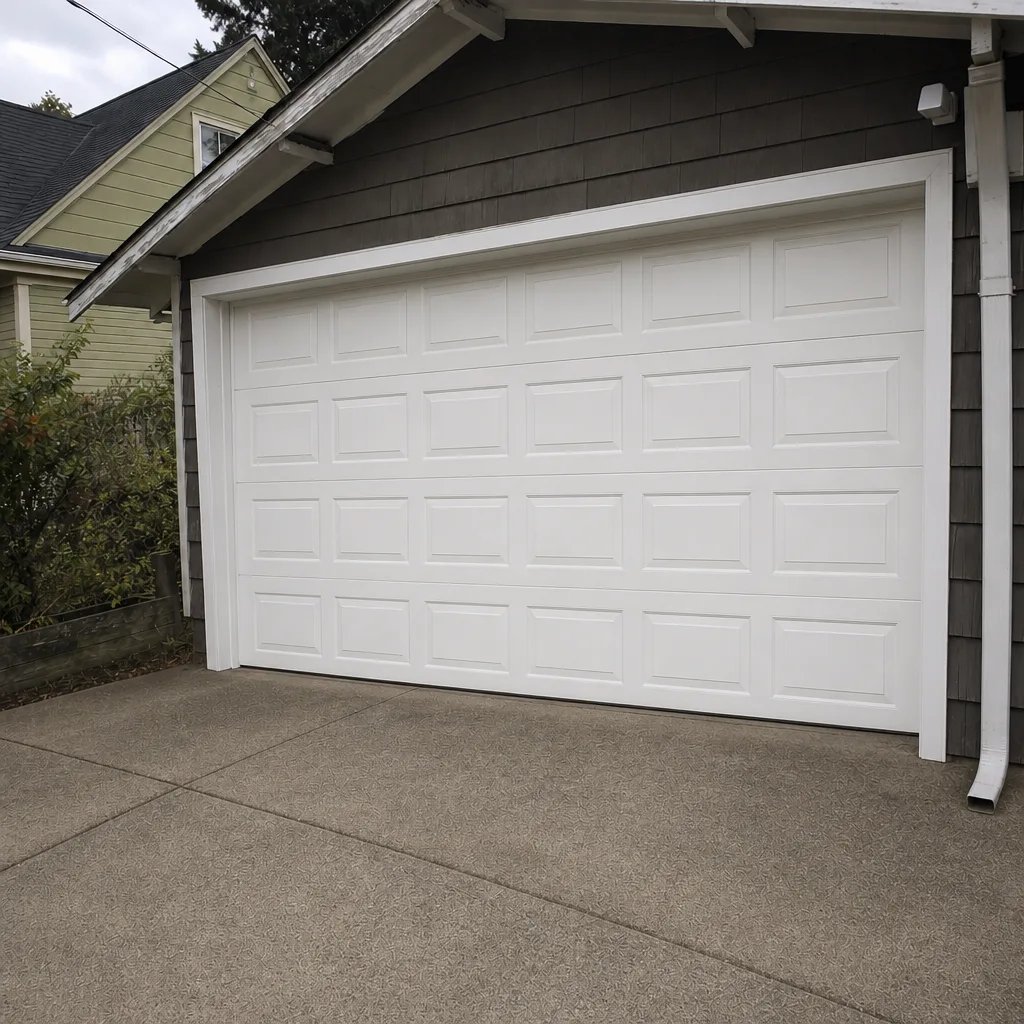 After
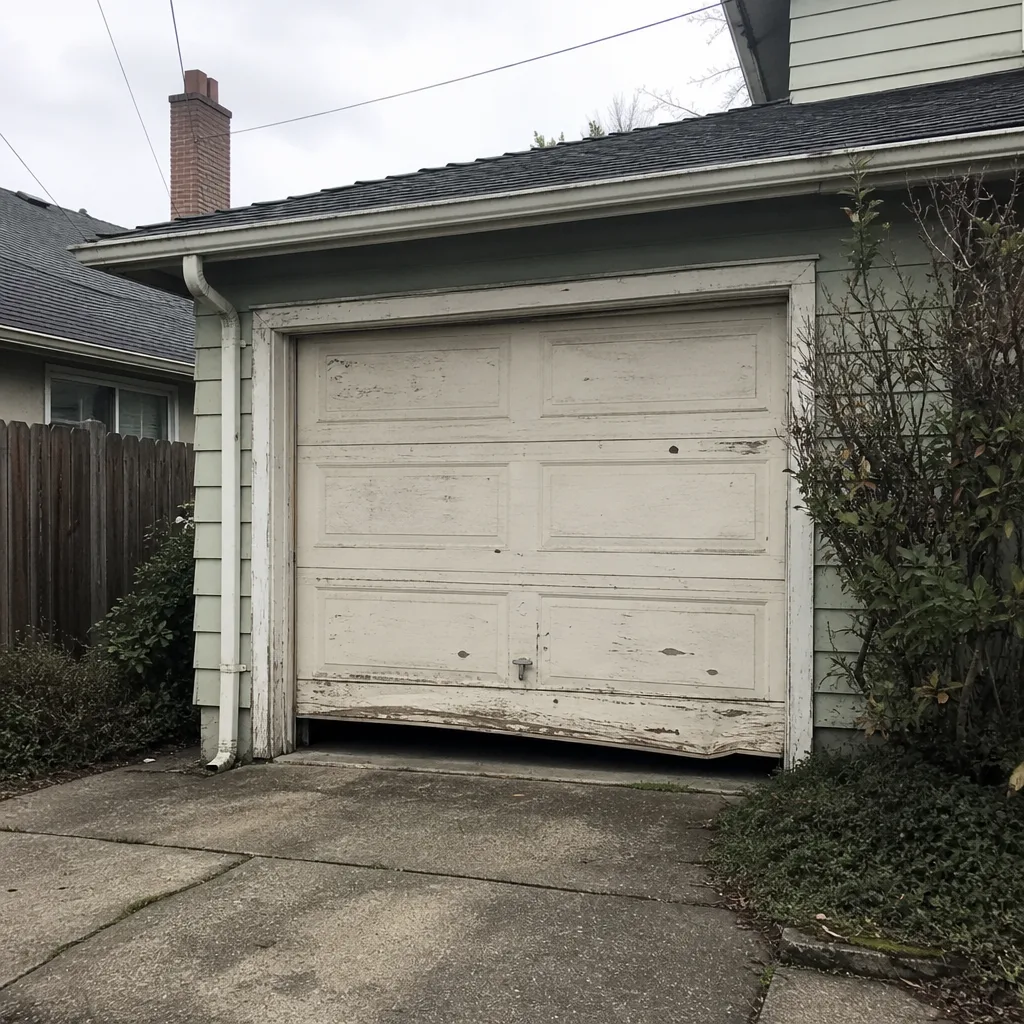 Before
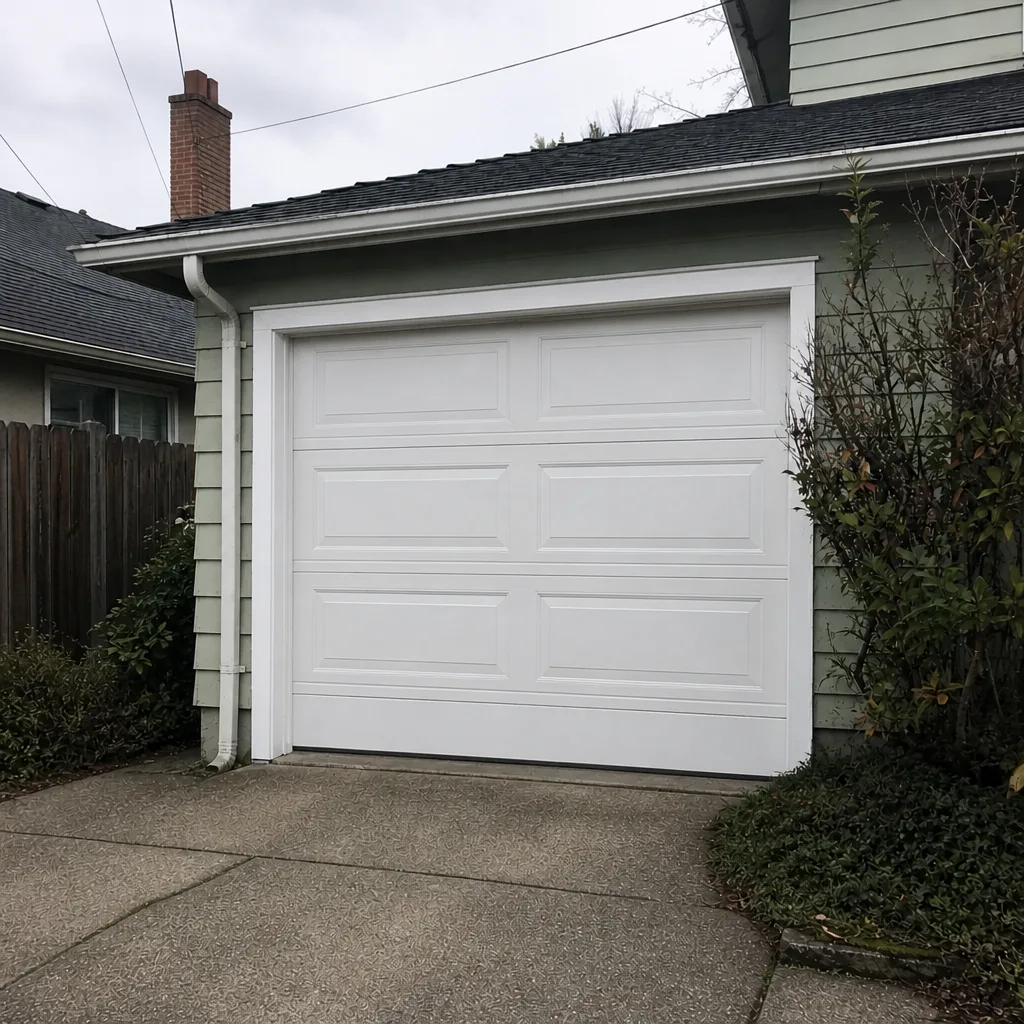 After
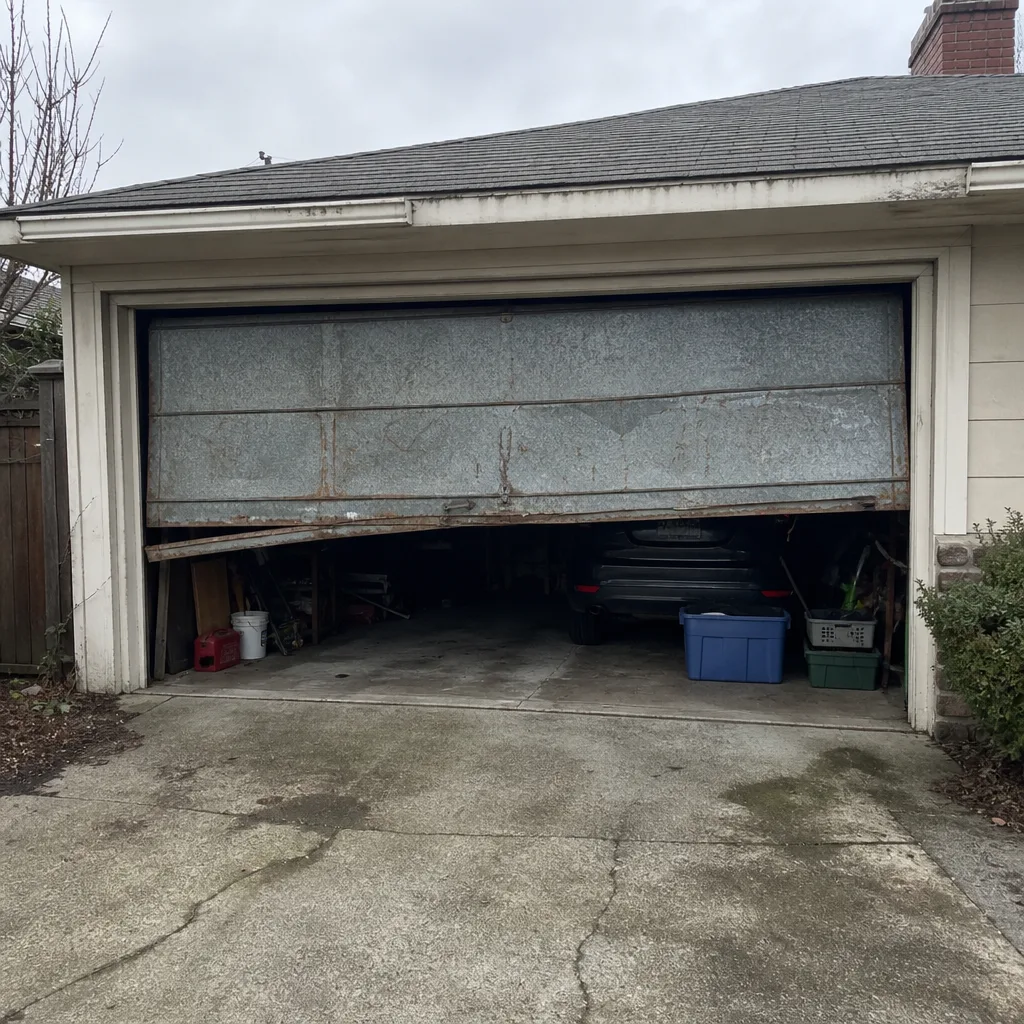 Before
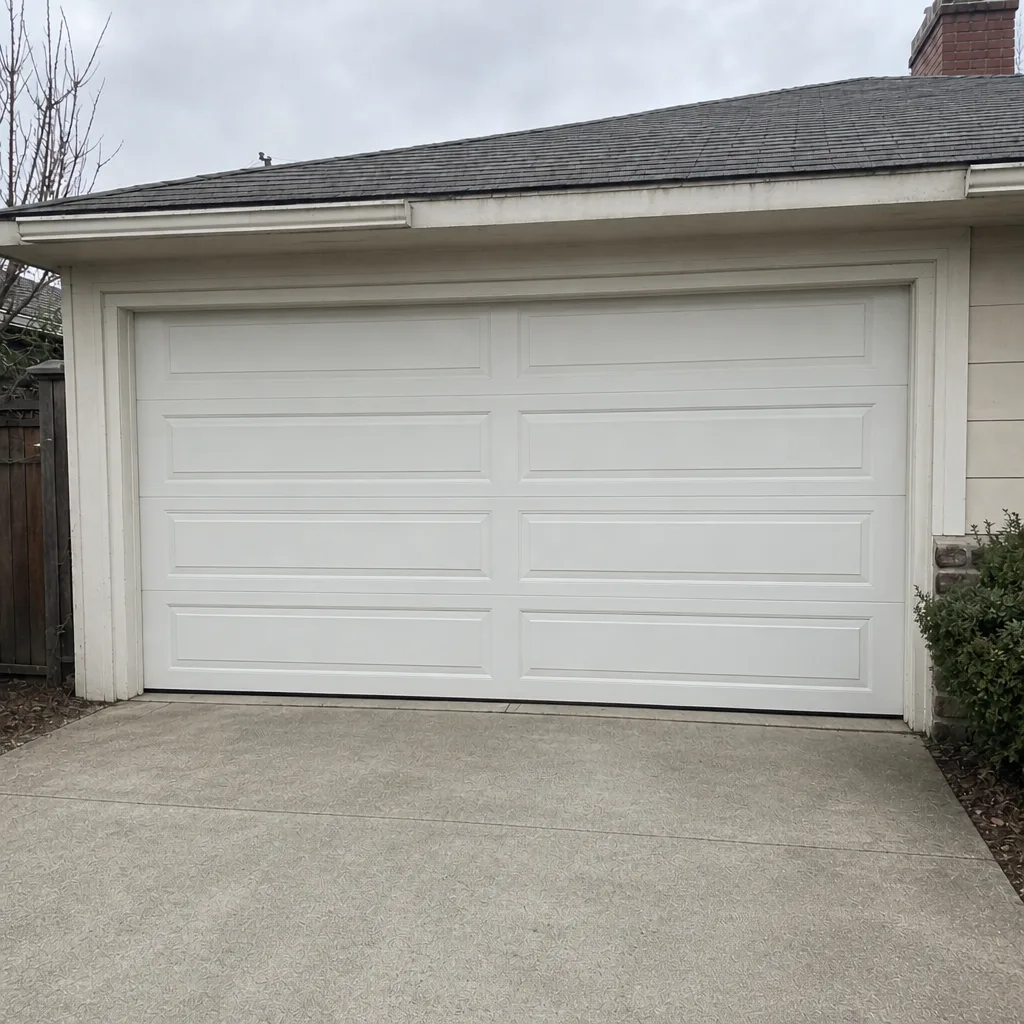 After
When to Call a Professional
Some problems are a seasonal checklist item; others need a technician. Call a professional if a spring has broken or looks stretched, if a cable is frayed or off its drum, if the door won’t balance or moves unevenly by hand, if the opener grinds or strains, or if the door has come off its track. Any of these means the door shouldn’t be run until it’s inspected, because the next cycle can turn a repair into a replacement.
If your door is noisy, sluggish, or due for its fall or spring inspection and you’d rather have a specialist look it over, we work on every major brand, from Wayne Dalton and Raynor to LiftMaster and Chamberlain, and we carry garage door parts directly so a worn component doesn’t mean waiting on a third-party order. Garage Door Repair Ballard offers free estimates in Ballard. Call (866) 937-8805 and we’ll take a look at the whole door, not just the part that’s making noise.
Frequently Asked Questions
Fall is the highest-value maintenance window in Ballard. Lubricating moving parts and checking seal integrity before the wet season does more to prevent winter failures than any other single round of maintenance, because moisture is the dominant force on doors here.
A frozen door happens when moisture under the bottom seal refreezes and bonds the seal to the concrete. Release the opener first, warm the seal gently along its length, then lift the door by hand and dry the threshold. Never force it with the opener, because that’s what burns out motors and gears. If the door won’t free or the opener is already straining, call (866) 937-8805 for a free estimate.
Twice a year covers most Ballard doors: once in fall before the wet season and once in summer after the dry stretch. Doors that see heavy use or sit in more exposed spots benefit from a mid-winter check as well. Use a garage-door-specific lubricant on hinges, rollers, spring coils, and the opener rail.
No. Torsion and extension springs are under extreme tension and can cause serious injury if they release during work. Springs are also the component most likely to fail in Ballard’s cold snaps. Leave spring work to a trained technician and limit yourself to visual inspection. Call (866) 937-8805 if a spring looks stretched, broken, or suspect.
Fall noise is common in Ballard and usually points to lubrication breaking down as the damp season starts. Squealing or grinding from hinges and rollers often clears up with proper lubrication. If the noise continues or comes from the opener itself, it’s worth having a technician look at the door and the motor together.
Check in this order: springs, cables, rollers, hinges, tracks, panels, and the opener. Springs and cables carry the load and fail first after freeze-thaw stress, so they come first. A door that suddenly feels heavy or moves unevenly needs a professional look before you use it again.
The Bottom Line
Ballard’s garage door problems are seasonal, but not in the way national guides assume. Moisture cycling, short hard freezes, and a dry summer stretch set the schedule here, and the highest-value work happens in fall, before the wet season. Check your seals and lubricate moving parts in fall, protect your opener from a frozen door in winter, inspect springs and cables first thing in spring, and catch UV and moisture damage in summer. Do that, and you’ll spend far less time and money on repairs. Our technicians have up to 10 years of experience with every major brand, and we handle garage door opener repair, spring work, garage door installation, and parts when a seasonal check turns into a real repair. For a Garage Door Repair Ballard team that knows the local climate, call (866) 937-8805 for a free estimate, and we’ll help you get ahead of the next season instead of reacting to it.
Written by the team at Garage Door Repair Ballard.