Last updated November 23, 2026
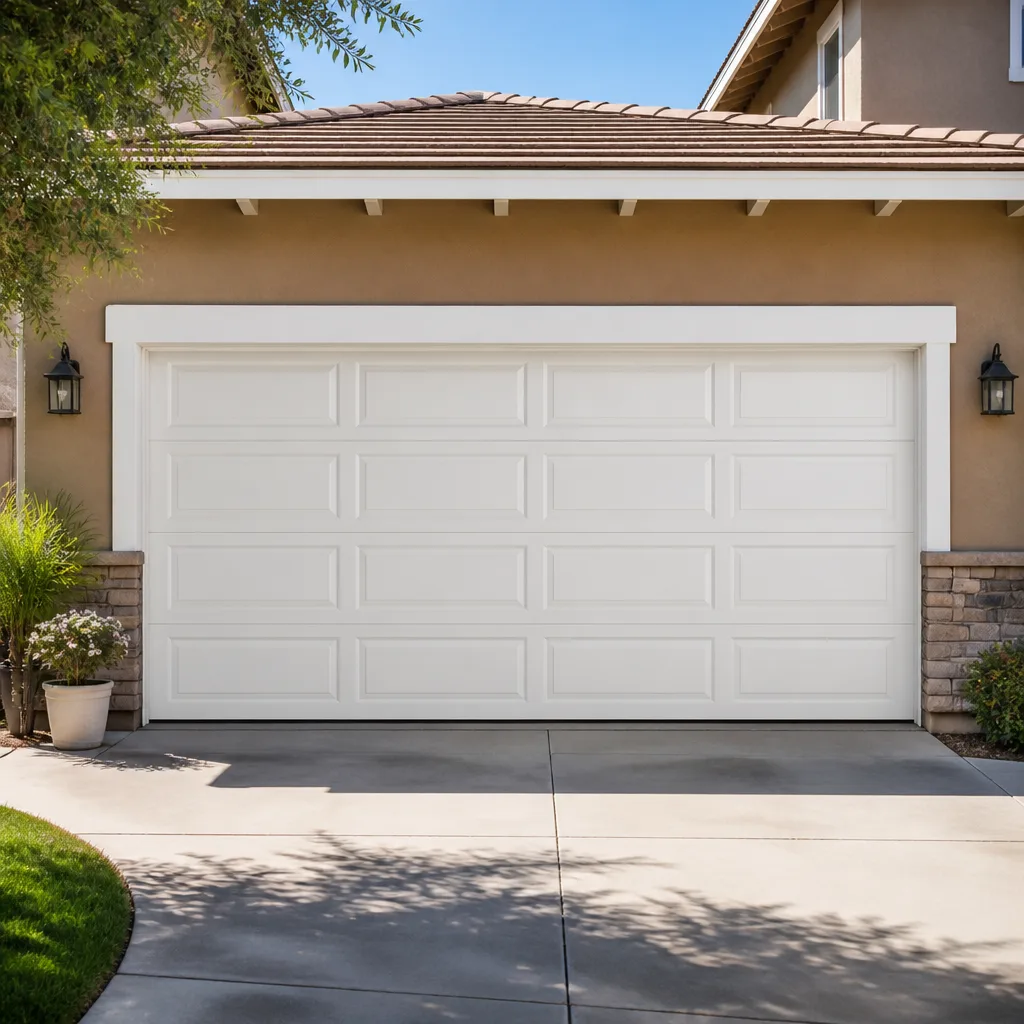 Raised-panel steel
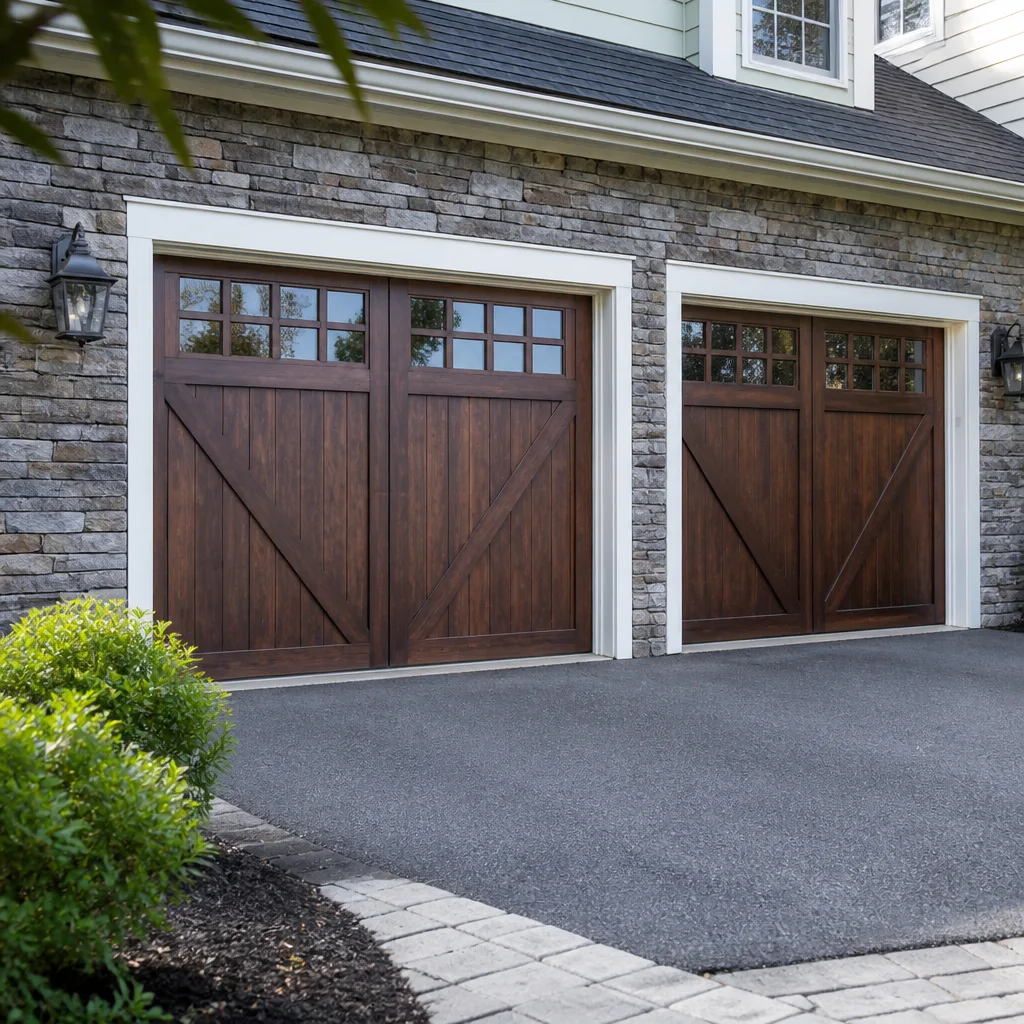 Carriage house
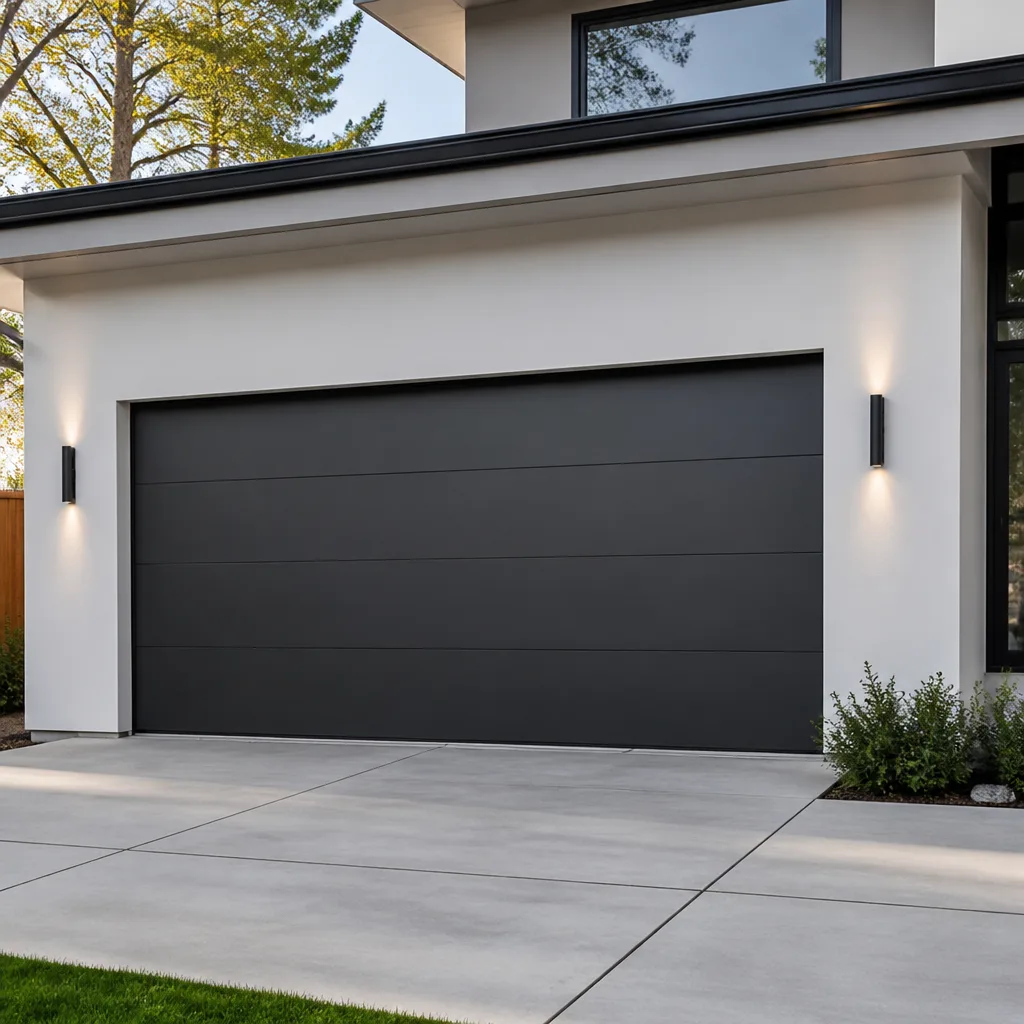 Modern flush
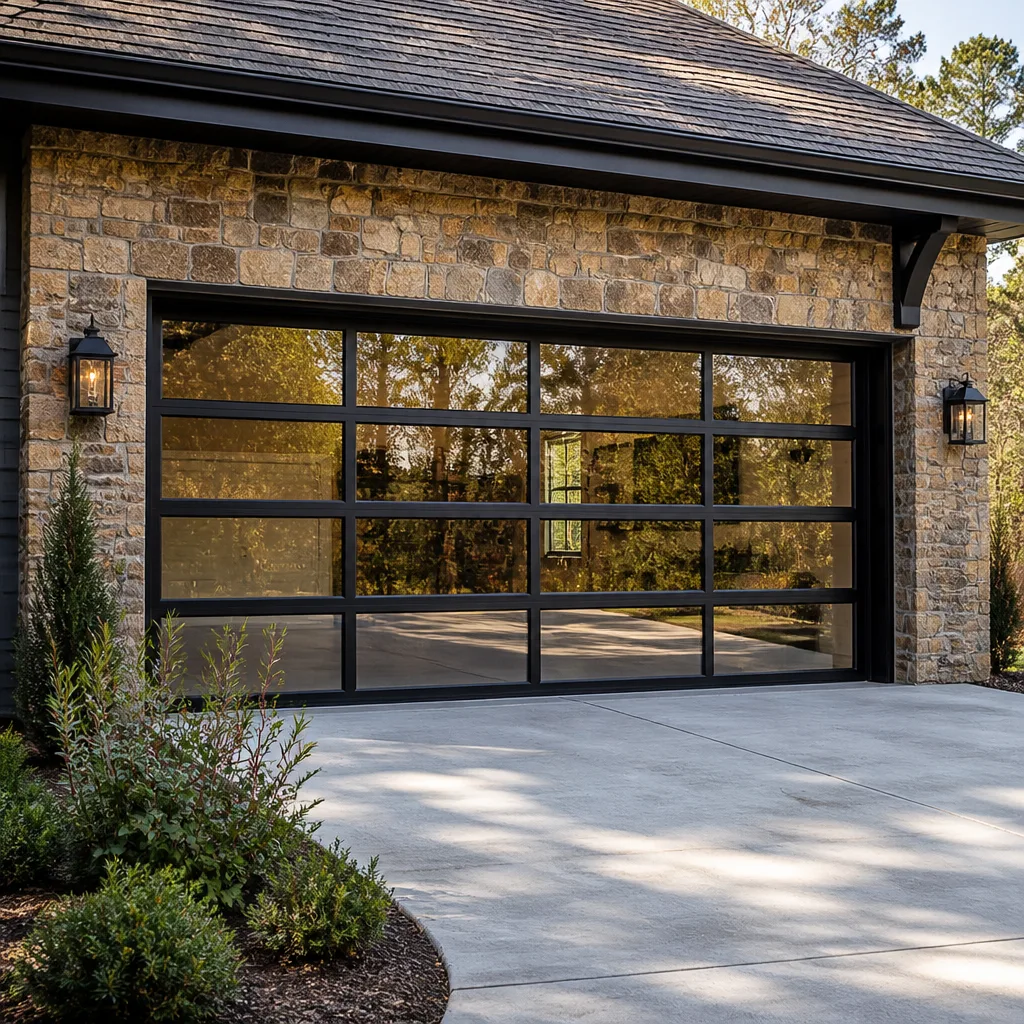 Full-view glass
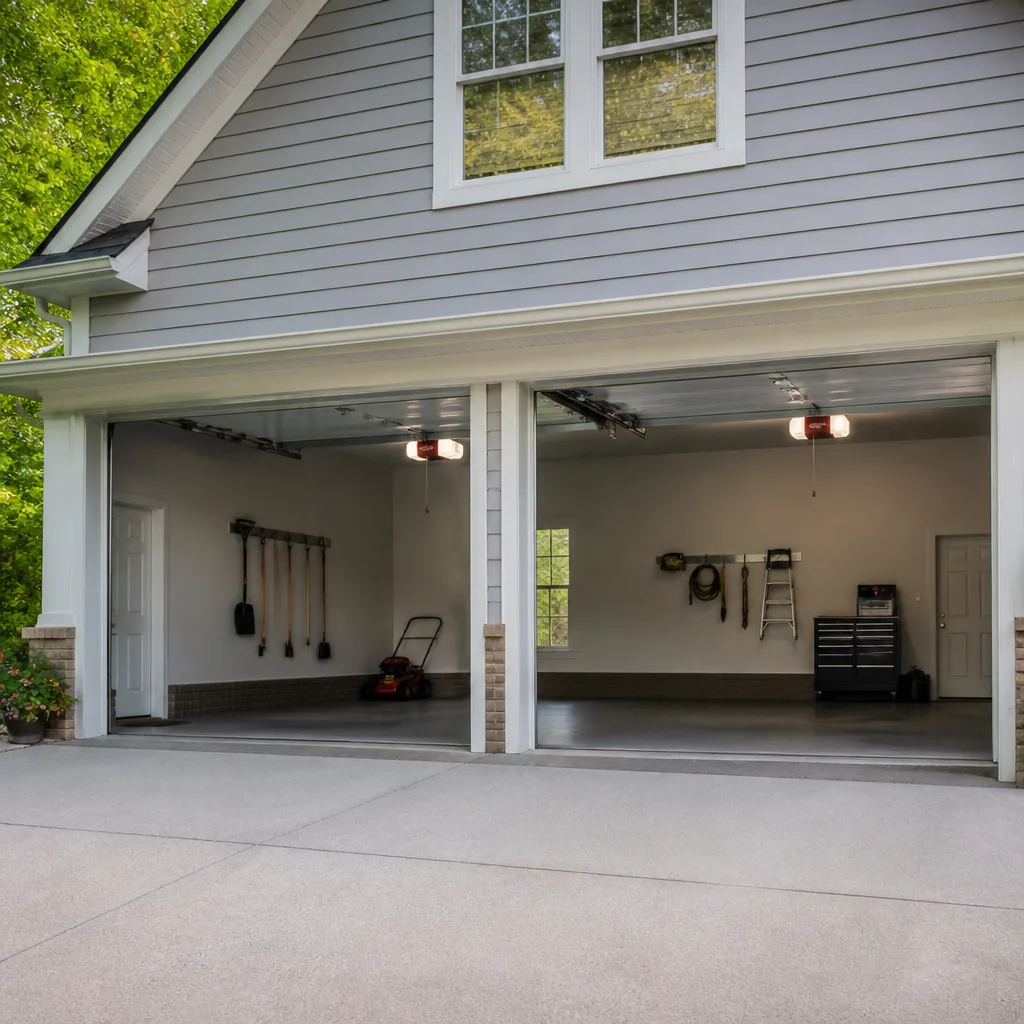 LiftMaster openers
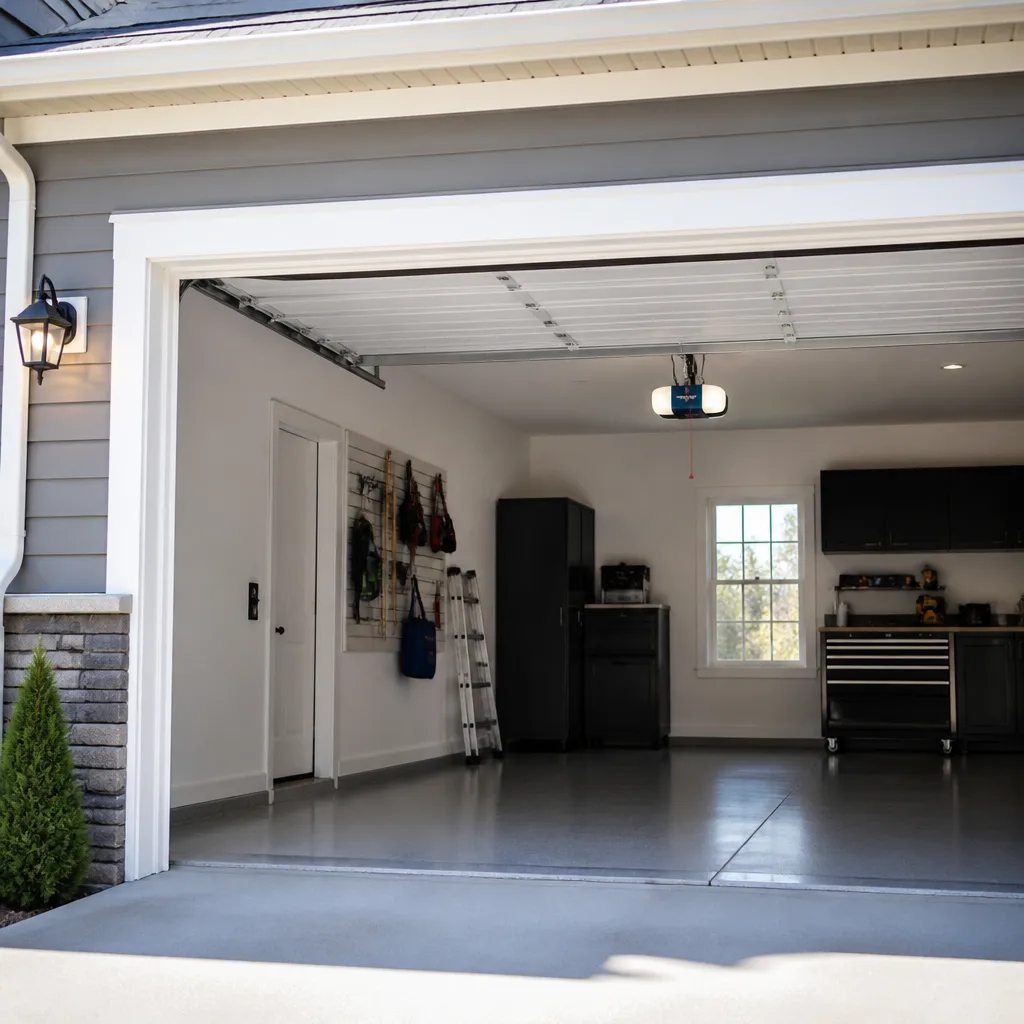 Chamberlain openers
Full 25-point door and opener safety check with every visit - springs, cables, rollers, tracks, and your LiftMaster or Chamberlain opener included
You get a price before we start. It does not change when the pro arrives.
Get your free estimateGarage Door Cost Breakdown: The Ballard Homeowner’s Reference for 2026
If you’ve searched for a garage door cost, you’ve probably run into the $700 “average replacement” figure that floats around the top of Google. That number is real, but it’s a national median dragged down by low-cost labor markets thousands of miles from here. In Ballard, the same job with comparable materials typically lands somewhere between $1,100 and $1,600, and the gap has nothing to do with anyone overcharging you. It comes down to what labor, parts, and disposal actually cost in Seattle’s market. This guide breaks the price into its parts so you can read a quote and understand exactly what you’re paying for, line by line.
Quick Answer
A garage door replacement in Ballard usually costs between $1,100 and $1,600 for a standard single door with comparable materials, and a full spring replacement runs $180 to $340 for one spring. A matched pair of springs is almost always replaced together, so budget roughly double that for a pair. The written estimate you receive before any work starts is the final price, not a starting point for negotiation once the job is underway.
Styles & brands we work with
- Raised-panel steel
- Carriage house
- Modern flush
- Full-view glass
- LiftMaster openers
- Chamberlain openers
Table of Contents
- What’s Actually Inside a Garage Door Quote?
- How Much Does Material Choice Change the Cost?
- Spring Replacement Pricing, Demystified
- Repair or Replace? The Cost Thresholds That Decide It
- Why Two Ballard Quotes Differ by Hundreds of Dollars
- Opener Costs and What You Get for the Money
- Permits, Code, and Haul-Away
- What Makes Ballard Pricing Different From the National Average
What’s Actually Inside a Garage Door Quote?
Most homeowners see one lump number and assume it’s the whole story. It isn’t. A garage door quote is really six separate line items stitched together, and understanding each one is how you spot a quote that’s missing something important. Here’s how those lines break down in the Ballard market.
| Line Item | Typical Ballard Range |
|---|---|
| Door panel and sections | $600 – $1,100 |
| Hardware and tracks | $150 – $300 |
| Opener (if included) | $200 – $450 |
| Labor and installation | $300 – $600 |
| Haul-away and disposal | $50 – $120 |
| Permit (where the city requires one) | Varies by jurisdiction |
The panel is the biggest swing factor. A basic single-car steel door sits at the low end; a double door or a heavier insulated door pushes toward the top. Hardware and tracks often get bundled with the door, but ask. Some quotes fold the hardware into the panel price and some list it separately, and that changes how a total compares to another contractor’s total.
Labor is where Ballard quotes diverge most from national figures. Installing a door involves removing the old one, shimming and leveling the new tracks, balancing the tension, and testing the safety reverse. It’s a two-person job that takes real time.
Haul-away isn’t a rounding error either. Getting an old door and its hardware to a transfer station in Seattle costs more than dropping it at a suburban landfill, and that cost gets passed through honestly. If a quote shows no disposal line at all, find out where your old door is going before you sign.
Permit requirements depend on your specific property and the city’s current rules. We always tell homeowners to confirm with the Seattle Department of Construction and Inspections before assuming a permit is or isn’t needed, because the answer isn’t the same for every job.
How Much Does Material Choice Change the Cost?
Material drives more of your cost than any other single decision, and it’s the one you control most. Steel, wood, composite, and aluminum each buy you something different, and in Ballard’s damp, mild climate that difference matters more than it might in a drier part of the country.
- Steel (24-gauge vs. 16-gauge): The most common choice and the most affordable. A thinner 24-gauge door is lighter and cheaper but more prone to dents. A heavier 16-gauge door costs more upfront and holds up better against everyday bumps from bikes, bins, and cars in a narrow driveway.
- Wood: Beautiful and premium, with the highest cost and the most maintenance. In a wet climate, wood needs regular sealing and refinishing to keep moisture from working into the grain. Expect to pay significantly more than steel and to budget for upkeep.
- Composite: Engineered to mimic wood without the rot risk, and it handles Ballard’s moisture far better. Priced between steel and wood, and often the quiet choice for homeowners who like the wood look but don’t want the maintenance schedule.
- Aluminum: Lightweight and rust-resistant, which suits damp air well. It dents more easily than steel and insulates poorly unless it has a full frame with insulation, so it’s common on full-view glass doors rather than insulated solid doors.
Insulation matters too, and it’s not just about temperature. A well-sealed door cuts road noise from nearby arterials and helps a room above the garage stay comfortable. For a lot of Ballard homes where the garage shares a wall with living space, that’s a real quality-of-life factor, not a luxury.
When you’re ready to talk materials for your specific opening, we handle garage door installation on whatever brand and style you choose, from a basic steel door to a custom wood or composite build.
Spring Replacement Pricing, Demystified
Springs are the most misunderstood line item on any garage door quote, and they’re also the most dangerous. In our experience, a single spring replacement in Ballard typically runs $180 to $340. Because torsion doors almost always use a matched pair that wears at the same rate, plan on roughly twice that when both springs are replaced together, which is the standard approach.
Here’s what actually drives the price:
- Spring type. Torsion springs (mounted on a bar above the door) and extension springs (running along the sides) are different jobs with different costs.
- Cycle rating. Springs are rated by how many open-and-close cycles they’ll survive before breaking. A higher cycle-rated spring costs more upfront but lasts longer, so the cost per year of use can actually be lower. Cheaper springs are cheaper because they’re rated for fewer cycles, not because you got a deal.
- Door weight and size. A heavier double door needs heavier springs, which cost more.
- Whether the technician also services cables, drums, and bearings while the door is open. A good technician checks these at the same time because the marginal cost of addressing them during a spring job is far lower than a separate visit later.
This is not a job to attempt yourself. A wound torsion spring stores enormous energy, and a spring that lets go while someone is working on it can cause serious injury. A trained technician uses winding bars and proper procedures specifically because the margin for error is small. If your door’s spring has snapped and the door won’t lift or is hanging crooked, that’s a call-a-professional situation, not a weekend project. We offer garage door repair for exactly this, and it’s a core service for us, not an afterthought.
One more note on value. Paying a bit more for a longer-cycle spring isn’t upselling. It’s the difference between replacing springs again in a few years versus getting a much longer stretch out of them. Ask what cycle rating you’re being quoted so you can compare apples to apples.
Repair or Replace? The Cost Thresholds That Decide It
This is the question that saves homeowners the most money in the long run, and there’s a rough financial tipping point worth knowing. When a single repair would cost more than about half the price of a new door and the door itself is showing multiple problems at once, replacement usually makes more financial sense than another repair.
The calculation isn’t purely about the repair bill. It’s about how many problems you’re stacking up. Here’s how to think it through:
- Add up what a repair would cost. If it’s a single spring or a single opener part, repair is almost always the clear answer.
- Look at the door’s condition. If the panels are dented, the tracks are bent, the sections are separating, and the hardware is worn, you’re looking at several repairs adding up.
- Compare against replacement cost. If the combined repairs approach or cross the midpoint of a new door’s price, replacement starts to win.
- Factor in age and safety. An older door without modern safety features, or a door whose structural integrity is compromised, leans toward replacement for reasons that go beyond dollars.
A door that needs two or three separate fixes in a short window is telling you something. Spending $400 to patch a door that’s really worth replacing leaves you $400 poorer and still facing a new door soon. A door that needs one clean fix, like a snapped spring or a dead opener, is a repair all day long.
We’ll give you an honest read on which side of the line you’re on rather than pushing the bigger job. That’s the reason we specialize in garage doors instead of being a general contractor who also does doors. We know where these thresholds sit because springs, openers, and full doors are all we handle.
Why Two Ballard Quotes Differ by Hundreds of Dollars
You can get two quotes for the same door and see a $500 gap. It’s tempting to assume the higher one is padding the bill or the lower one is cutting corners. The truth is usually somewhere in the middle, and it comes down to how the contractor runs their operation. Here’s what’s really behind the spread.
- Inventory and parts supply. A contractor who carries parts in stock can start the job without waiting on a third-party order. One who has to order components often passes along that delay, sometimes as an extra charge, sometimes as a longer timeline. For simpler jobs we keep parts on hand specifically to cut that delay.
- Labor model. A specialist with trained technicians and a real overhead structure charges differently than a generalist squeezing a door job between other trades. The specialist’s number is higher because the expertise is real, not because of markup.
- Warranty coverage. A quote that includes a solid warranty on both parts and labor costs more than one with no warranty. Ask what’s covered and for how long before comparing totals, because a rock-bottom quote with no warranty isn’t really cheaper if you’re paying for the same fix a second time.
- What’s included vs. extra. One quote might exclude disposal, permit help, or opener reprogramming. Another bundles it all. The only fair comparison is what the two quotes cover, not their headline numbers.
- Brand familiarity. A contractor who knows your specific system can quote more accurately and work faster. We’re set up to work on whatever is already on your door, whether that’s a LiftMaster, a Raynor, a Chamberlain, or a Genie, so no brand swap is needed to get the work done.
When you line up quotes, put them side by side on what they include, who’s doing the work, and what kind of warranty you’re getting. That comparison tells you far more than the bottom line alone.
Opener Costs and What You Get for the Money
An opener replacement or repair is often the smallest-ticket item on the list, but it’s where homeowners get the most confused by features they don’t need. A basic opener replacement typically runs $200 to $450 in Ballard, depending on the unit and whether installation is included, and the spread is mostly about what the unit does.
| Opener Type | Typical Range |
|---|---|
| Basic chain-drive | $200 – $280 |
| Belt-drive (quieter) | $250 – $350 |
| Smart-home-integrated | $300 – $450 |
Belt-drive openers run quieter than chain-drive, which matters a lot if there’s a bedroom over the garage or the door sits near shared living space. Smart-home integration, where you can open, close, and check the door from a phone, is available through major lines like LiftMaster and the Chamberlain/myQ ecosystem. If you already have a smart-home setup, that integration is worth the extra. If you don’t, it may not be. And if your current opener just has a glitch, a stripped gear, or a dead remote, a repair is often all you need. We handle garage door opener repair across legacy systems like Craftsman and Genie as well as the modern connected units.
One honest caveat: don’t replace a working opener just because a newer model has more features. Replace it when it fails, when it’s incompatible with a door you’re replacing, or when a specific feature you’ll actually use justifies the spend. Anything beyond that is money you don’t get back.
Permits, Code, and Haul-Away
Permit requirements for garage door work vary, and they’re not the same for every job or every property. Rather than guess, we tell every homeowner to confirm with the City of Seattle’s building department before assuming a permit is or isn’t required for their specific installation. It’s a five-minute call that saves headaches.
Beyond the permit itself, there are the code-driven details that come standard on any properly installed door:
- Safety reverse. Modern openers must reverse when they meet an obstruction. This is a tested, non-negotiable feature, not a bonus, and any installer who skips it isn’t doing the job right.
- Photo-eye sensors. These mount near the floor and stop the door if something crosses the beam. They have to be aligned and functional, and they should be checked when the door is serviced.
- Proper track and bracket fastening. Tracks anchor to the framing with the right hardware. A shortcut here is a door that comes out of alignment over time.
Haul-away is the quiet line item people forget. Every replacement leaves behind an old door, its tracks, and its hardware. In Seattle’s market, getting that material to a transfer station costs real money, and it should show up as its own line on a quote so you know it’s handled. If it’s missing, ask who’s hauling the old door and where it’s going.
A door that’s installed right, with the safety features working and the tracks plumb, lasts far longer and needs fewer repairs. That’s part of what you’re paying for.
What Makes Ballard Pricing Different From the National Average
That $700 national figure exists for a reason, and it’s not that Ballard contractors are gouging anyone. National averages are pulled down by low-cost labor markets in parts of the South and Midwest where construction labor is cheaper and disposal is easier. Seattle is the opposite. Labor rates are higher, disposal costs more, and the market for skilled trades in a growing city pushes prices up. When a national tool tells you a door should cost $700, it’s describing a market that isn’t Ballard.
Climate shapes cost in a way national rates don’t capture either. Ballard’s damp air means moisture is a constant consideration. Doors that resist moisture, hardware that won’t corrode as quickly, and track and spring components chosen for a wet environment all affect the price and the useful life of the door. A cheap door that fails in a few years because it wasn’t suited to the climate isn’t cheap. That’s a Ballard-specific calculation the national average can’t make.
Local housing stock matters too. Many Ballard homes have narrower driveways and tight garage clearances, which can change how a door is measured and installed. Getting the width exact the first time is why the free measure matters so much. There’s no room to fudge a tight fit, and a mismeasured door is a return trip and a delay.
The honest takeaway: use the national figures only as rough context, then use a written Ballard quote as the real number. If you want to understand the full range of what we do, our Garage Door Repair Ballard home page lays out every service we cover.
Common Mistakes to Avoid
- Comparing headline totals instead of what’s included. A quote that looks cheaper can exclude disposal, permit help, or the opener. Compare line by line, not bottom line to bottom line.
- Replacing one spring instead of the pair. If your torsion door has two springs and one snaps, the other has the same wear and is on borrowed time. Replacing only one usually means you’ll be back for the second within weeks.
- Opting for the cheapest cycle-rated spring. A lower-rated spring is cheaper upfront and fails sooner. The cost per year of use can be higher, so ask about the cycle rating before you decide.
- Skipping the free measure. Guessing a door width or clearance is how you get a door that doesn’t fit. A proper measure before ordering avoids the most expensive mistake of all: a custom door that has to be returned.
- Ignoring disposal on the quote. If there’s no haul-away line, ask where the old door goes. In Seattle, it costs money to get rid of it, and someone is paying for it.
- Assuming a national average applies here. A $700 figure built on low-cost labor markets says nothing about what a door costs in Ballard. Use local quotes as your real benchmark.
- Hiring a generalist who “also does doors.” Stuck springs, bent tracks, and stubborn openers need someone who works on these systems daily. A multi-trade contractor may not carry the parts or know your brand.
See the difference
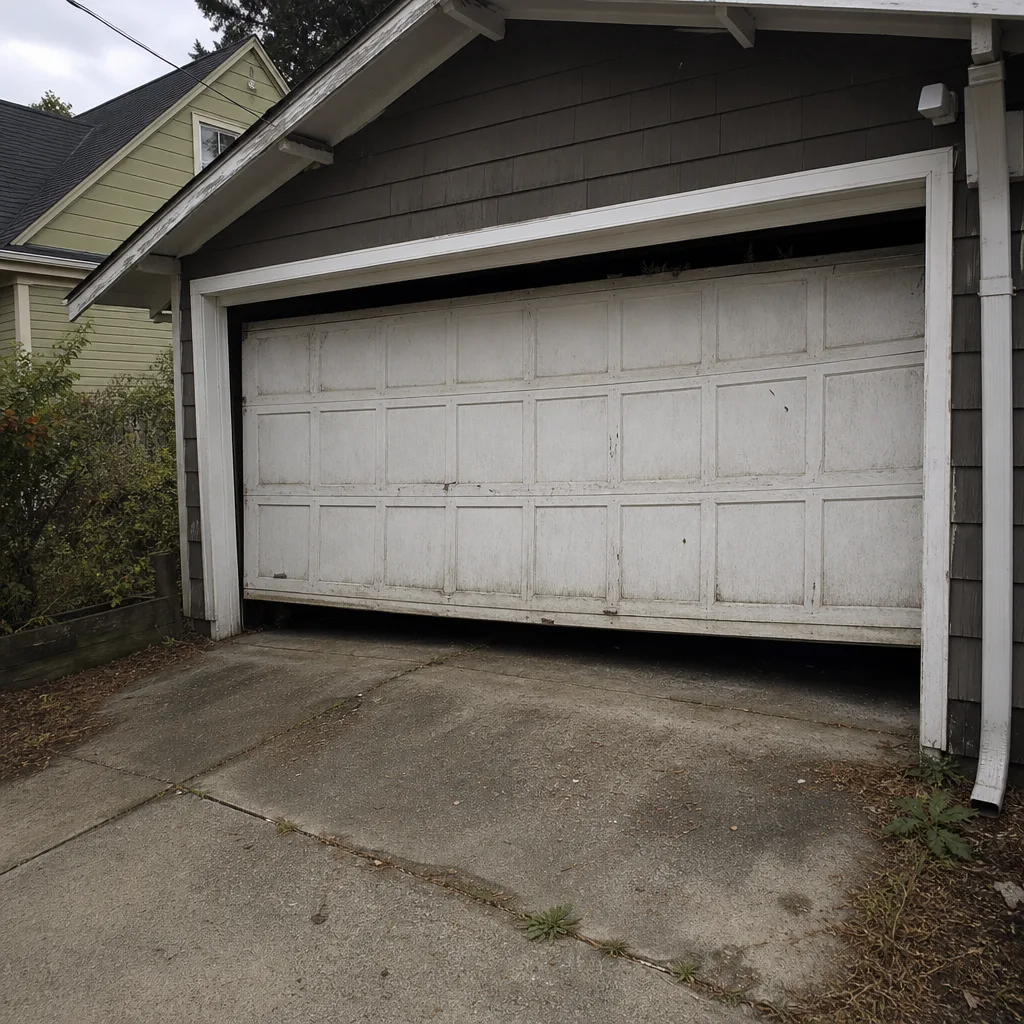 Before
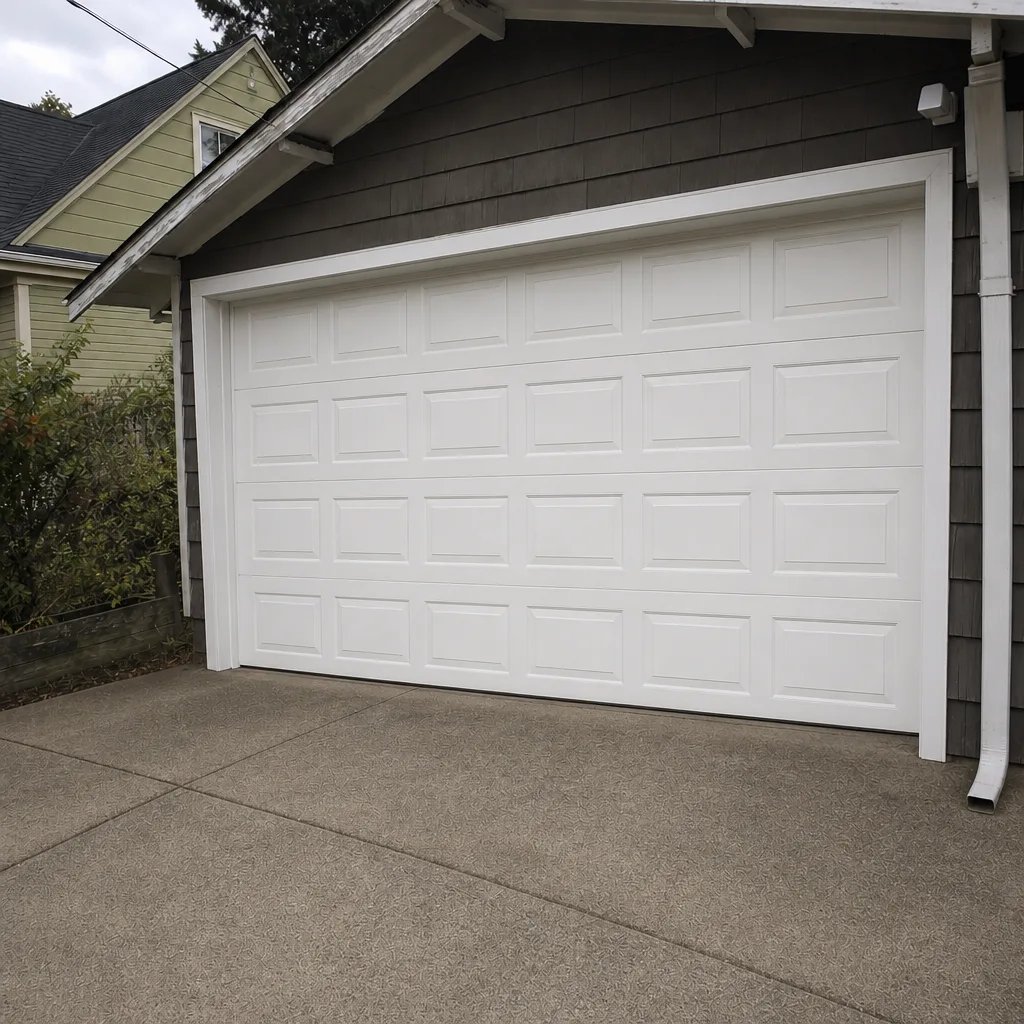 After
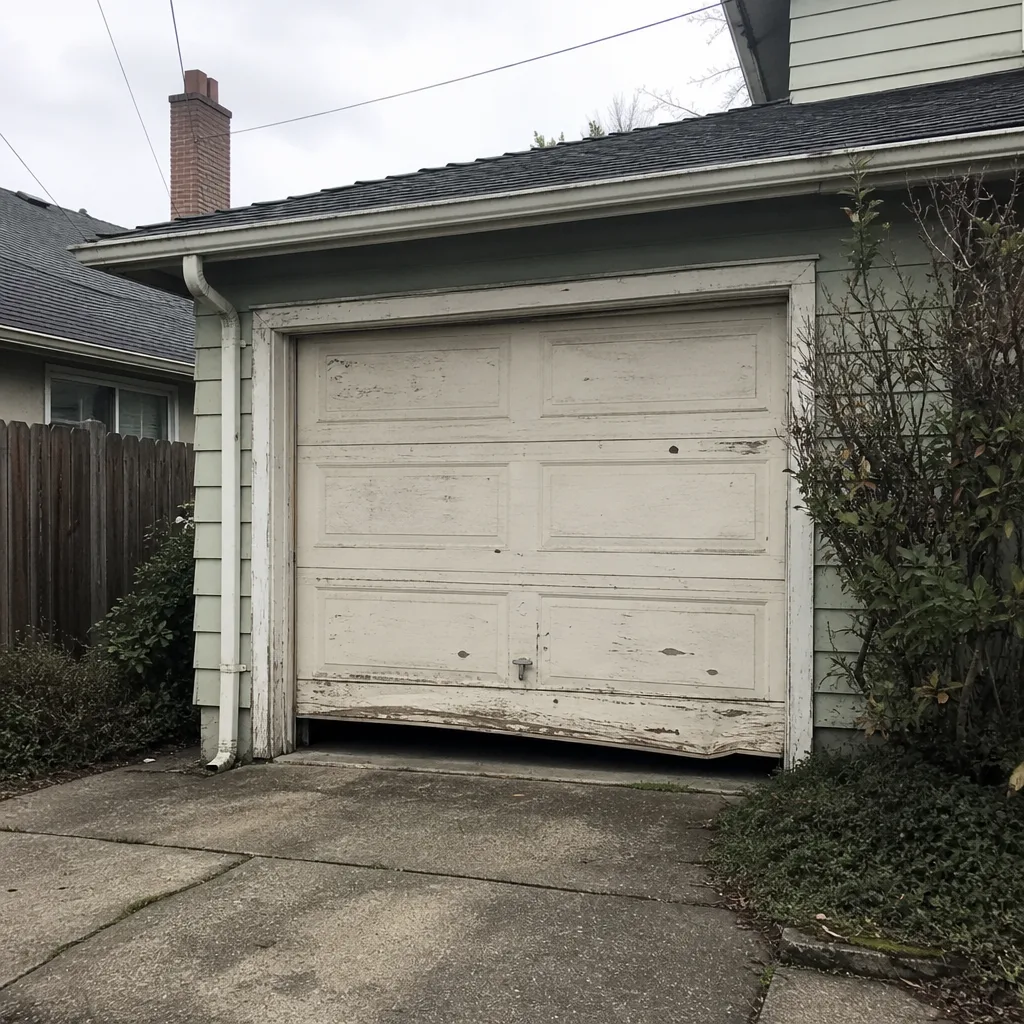 Before
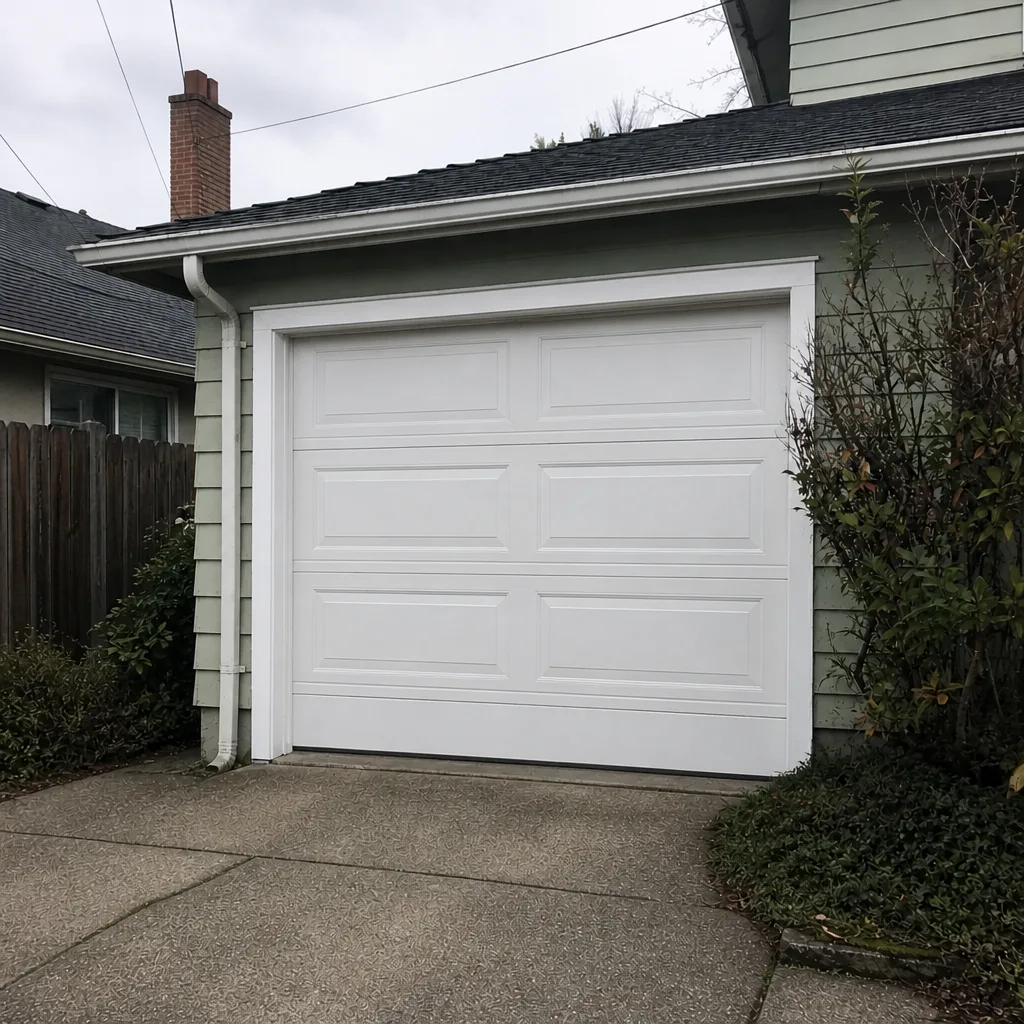 After
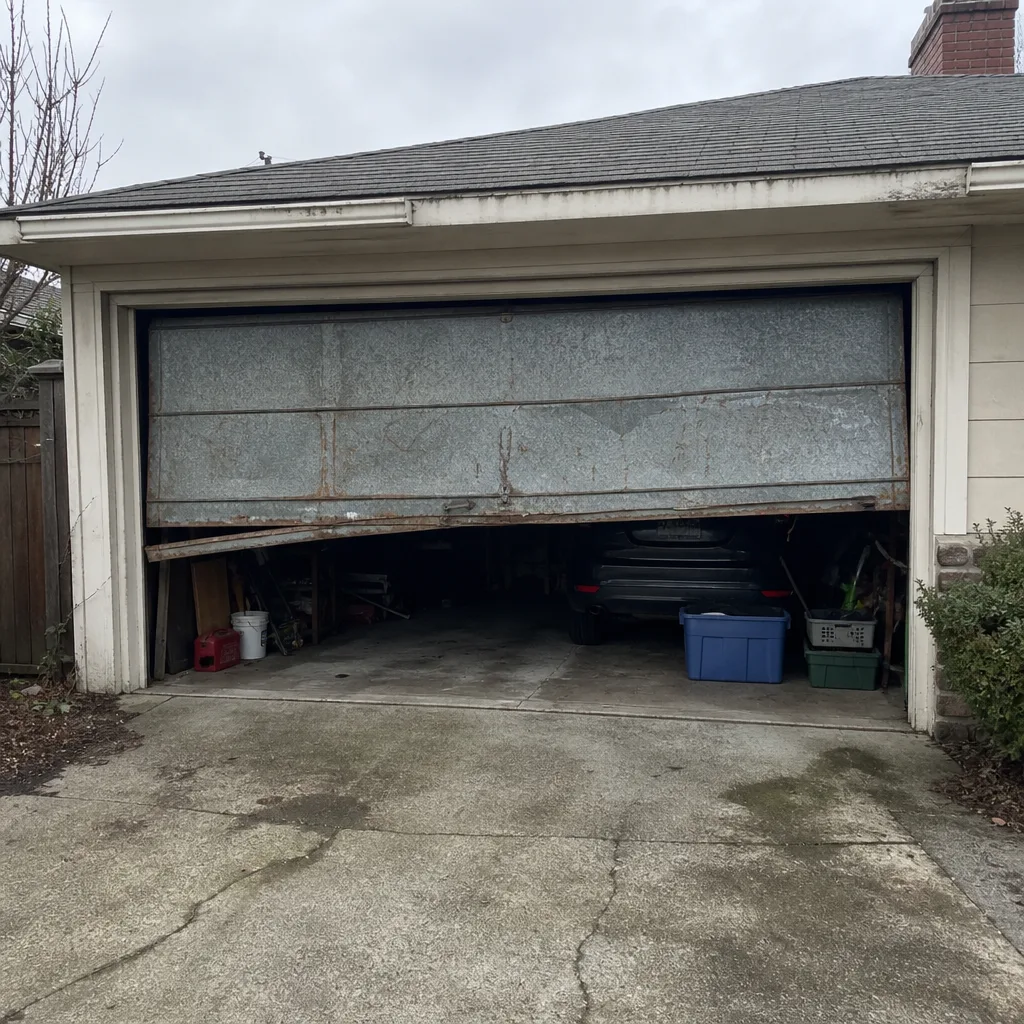 Before
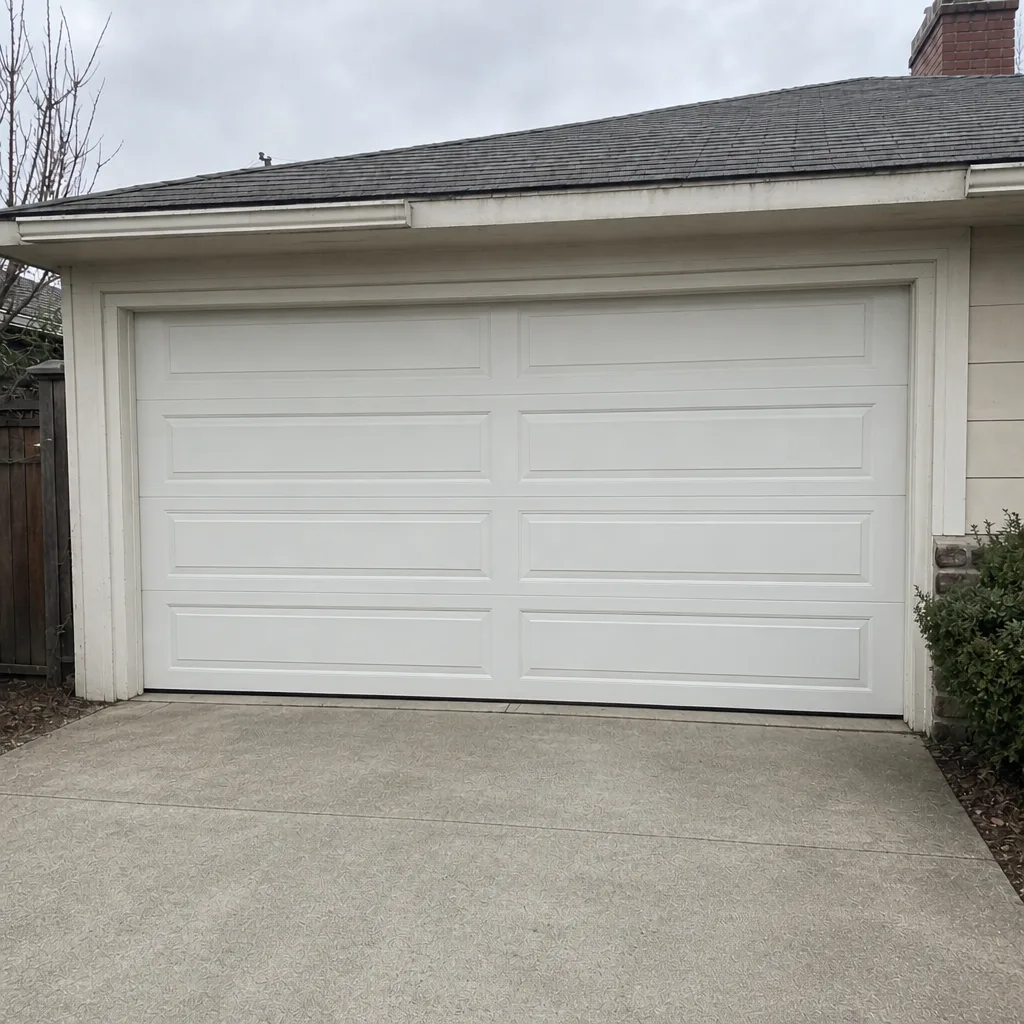 After
When to Call a Professional
Some jobs are genuinely a call we recommend. If a spring has snapped and the door won’t lift, if the door is hanging crooked or off its tracks, if a cable is frayed, if the opener runs but the door doesn’t move, or if you’ve replaced the battery in the remote and it still won’t work, those are all worth having a trained technician look at. Springs and cables store serious energy, and a door that comes down unexpectedly is a safety issue for people and vehicles alike. We handle repairs as well as installation, and we offer free estimates in Ballard. Call (866) 937-8805 to schedule one.
Frequently Asked Questions
A garage door replacement in Ballard typically costs between $1,100 and $1,600 for a standard single door with comparable materials, and that figure includes the door, hardware, labor, and haul-away. A double door or a heavier insulated door runs toward the upper end. Call (866) 937-8805 for an exact quote. Estimates are free.
No. The written estimate you receive before any work starts is the price, and we confirm it with you before we pick up a tool. If we open the door and find something genuinely hidden, like a damaged track or a worn cable, we’ll show you and quote the extra work before doing it, not after. Call (866) 937-8805 for an exact quote. Estimates are free.
Repair is almost always cheaper for a single fix like a spring or an opener. Replacement makes more financial sense when repairs add up to more than about half the cost of a new door and the door is showing multiple problems at once. Call (866) 937-8805 for an exact quote. Estimates are free.
A single spring replacement typically runs $180 to $340 in Ballard. If your torsion door has a matched pair and one snaps, the pair should usually be replaced together, which costs about twice that. Call (866) 937-8805 for an exact quote. Estimates are free.
Permit requirements vary by property and by the current rules, so it’s worth confirming with the City of Seattle’s building department before you assume either way. We don’t guess on permits. It’s a quick call and it keeps the project clean.
It comes down to the local market. Labor costs, parts availability, and disposal fees in Seattle are higher than in low-cost parts of the country, and that national average reflects those cheaper markets. A written Ballard quote built on local costs is the number that actually applies to your door.
The Bottom Line
The national average isn’t your number. In Ballard, a typical replacement runs $1,100 to $1,600, a single spring replacement runs $180 to $340, and a matched pair costs roughly twice that. Material choice, cycle rating, disposal, and whether the door is a single or double all move the total, but the written estimate before any work starts is the price you’ll pay. Compare quotes on what’s included and who’s doing the work, not just the bottom line. We work on whatever brand is already on your door, from a LiftMaster opener to a Raynor door to a Genie legacy unit, and we handle the full job from opener glitch to full installation. Our technicians have up to 10 years of experience, and we’re garage door specialists, not generalists. Call (866) 937-8805 for a free estimate.
Written by the team at Garage Door Repair Ballard.