Last updated November 23, 2026
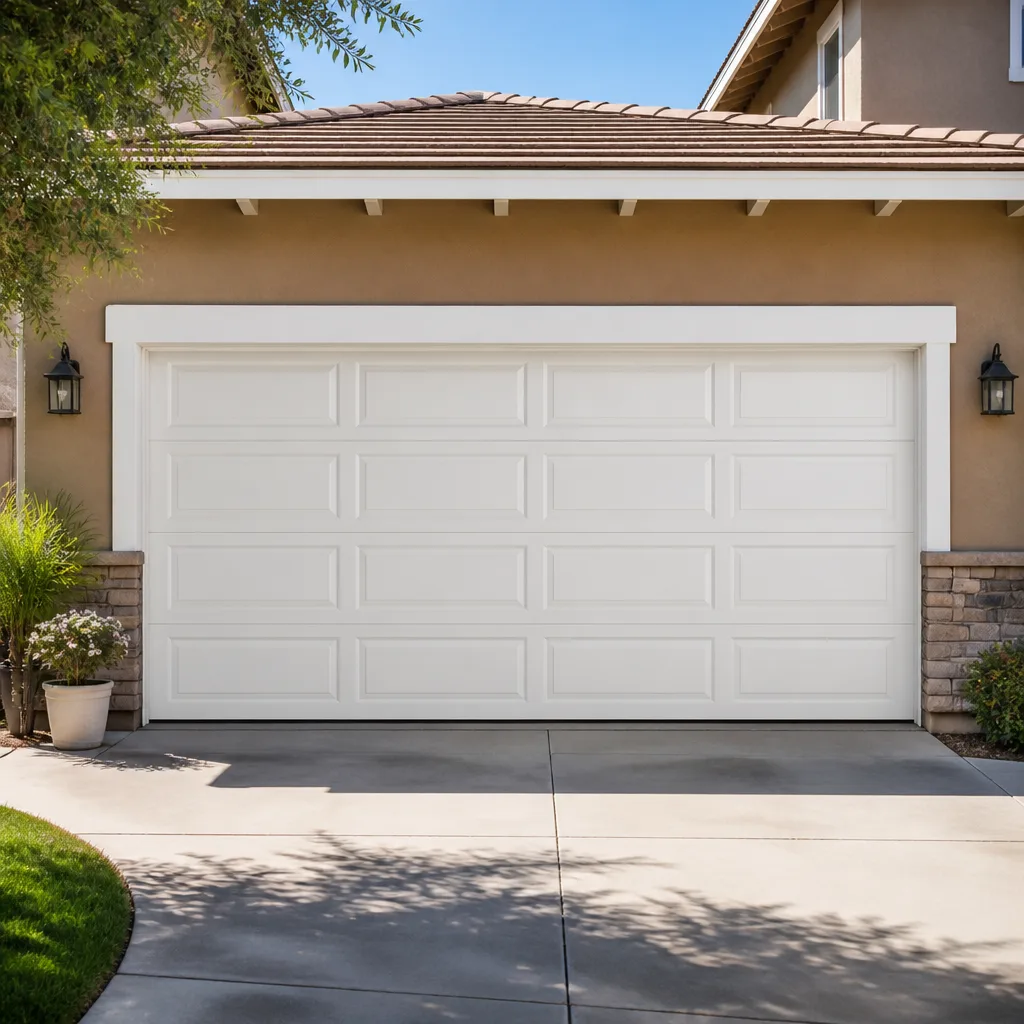 Raised-panel steel
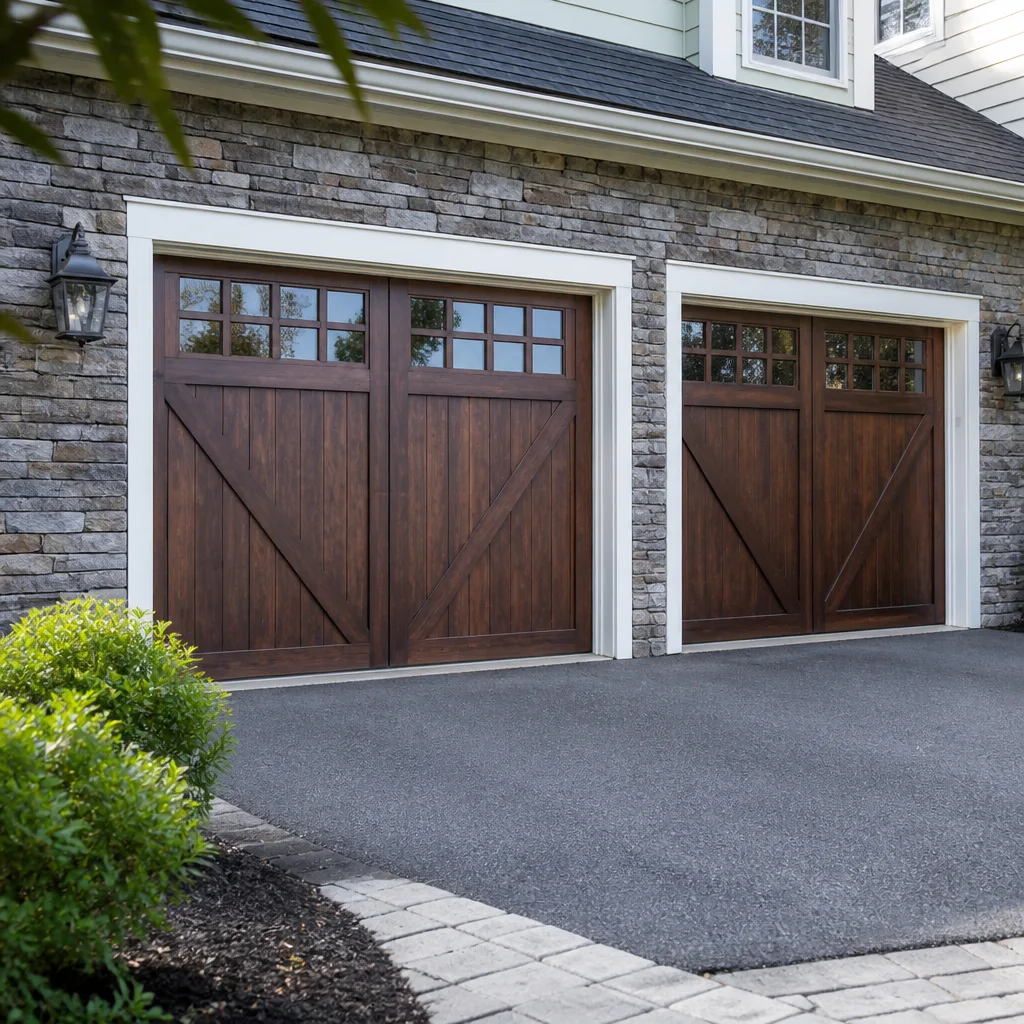 Carriage house
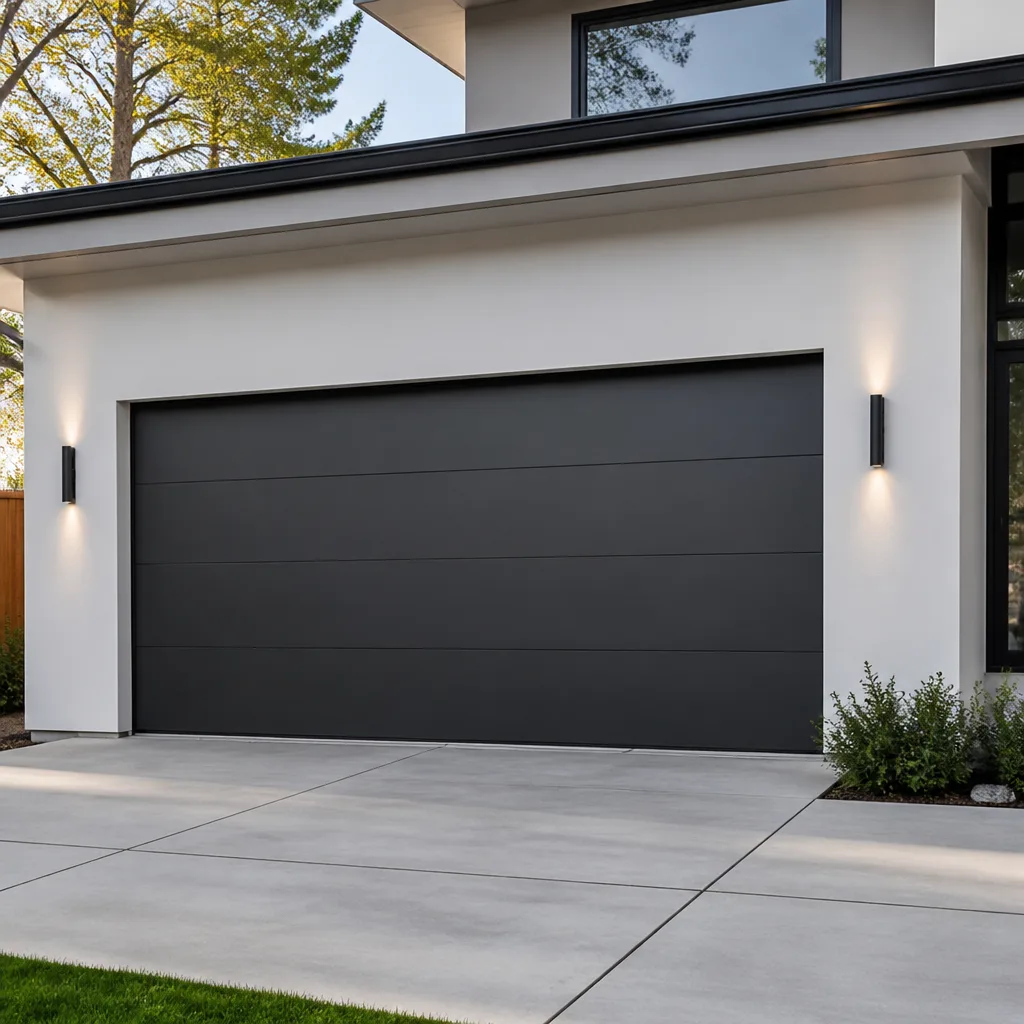 Modern flush
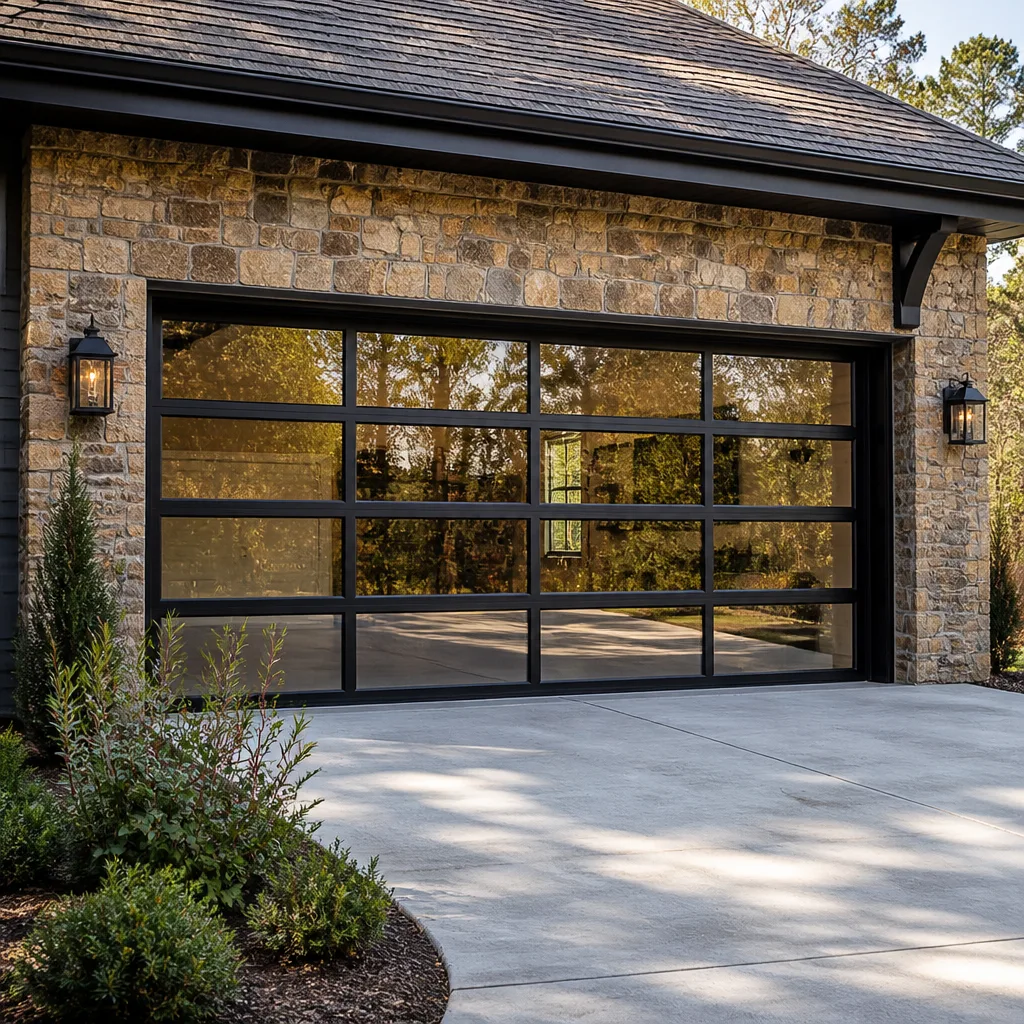 Full-view glass
 LiftMaster openers
 Chamberlain openers
Full 25-point door and opener safety check with every visit - springs, cables, rollers, tracks, and your LiftMaster or Chamberlain opener included
You get a price before we start. It does not change when the pro arrives.
Get your free estimateGarage Door Emergency Preparedness Guide for Ballard Homes
Most Ballard homeowners think a garage door emergency is a door that’s stuck open. The harder morning is the one where the door won’t come up at all. When a torsion spring breaks on a Ballard morning in February, the door becomes manually immovable for most people. It isn’t stuck. It’s genuinely heavy without spring counterbalance, and the panels are the only thing holding its weight. Knowing the emergency release sequence and the manual lift technique before that morning arrives is what separates a 20-minute inconvenience from a missed day of work. This guide walks through the three emergencies we see most in Ballard – storm damage, broken springs, and power failures during wet-weather stretches – and gives you the exact steps to take before a technician arrives.
Quick Answer
Pull the emergency release cord only when the door is fully closed and no one is standing in the doorway. Never force a door with a broken spring more than a few inches, because the cables can whip. If a storm has bent the track or jammed a panel, stop operating the door and call (866) 937-8805. If the power is out, switch the opener to manual mode, lift the door with two hands close to the center, and prop it fully open with a clamp or locking pliers on the track before letting go.
Styles & brands we work with
- Raised-panel steel
- Carriage house
- Modern flush
- Full-view glass
- LiftMaster openers
- Chamberlain openers
Table of Contents
- The Three Garage Door Emergencies That Hit Ballard Most Often
- How to Release Your Garage Door During a Power Outage
- What to Do When a Spring Breaks
- Assessing Wind and Storm Damage Safely
- Who to Call and What to Tell Them
- The Two Things Every Ballard Homeowner Should Do Before an Emergency
- Common Mistakes to Avoid
- When to Call a Professional
The Three Garage Door Emergencies That Hit Ballard Most Often
Garage door emergencies in Ballard cluster around three scenarios. Each one requires a different first move, and getting the first move wrong is what turns a repair into a replacement. The scenarios are storm damage, broken springs, and power outages during consecutive wet-weather days.
Storm damage
Ballard sits on the windward side of the Seattle weather pattern, and the wind gusts that come off Puget Sound during a winter front put lateral pressure on garage doors that most homeowners never see until a track bends. The failure usually happens at the bottom roller bracket, where a panel catches the wind and the track gives way. Storm damage is usually visible: a bent track, a popped roller, a panel pushed in. Operate nothing until you’ve read the section below.
Broken springs
The torsion spring is the part that does the lifting work. When it snaps, the door drops into the closed position and stays there. Most single-car doors weigh well over 100 pounds without counterbalance, and most double doors weigh close to double that. A broken spring is the most common reason a Ballard garage door stops opening, and it’s also the single most dangerous part of the assembly to touch. We handle spring repair as one of our core services, not as an add-on, because a spring failure is a load-bearing failure and needs a trained technician.
Power outages during wet weather
Weather in Ballard can knock power out for hours, and if your car is inside the garage when the opener dies, you’re not going anywhere until you know how to release the door manually. The manual release procedure is straightforward, but almost every homeowner who’s never tried it in the dark gets the sequence wrong. A single misstep re-engages the trolley and you’re back where you started.
If you’re already facing one of these and need a technician, we run fast dispatch for Ballard calls and free estimates. Call (866) 937-8805 and describe what you’re seeing.
How to Release Your Garage Door During a Power Outage
To manually release a garage door during a power outage, pull the red emergency release cord down once, firmly, and only when the door is fully closed and the doorway is clear. If the door is open when you pull the cord, the trolley detaches from the opener arm and the door can fall. This is the most common mistake and it can cause serious injury.
Our technicians have up to 10 years of experience on precisely this kind of call, and the sequence below is what they walk every customer through over the phone.
Step-by-step: opening your garage door during a power outage
- Make sure no one is standing in the doorway. The door is going to move on its own gravity once released, and you want a clear path.
- Confirm the door is fully closed. If the door is even slightly open, lower it gently using the opener’s manual release only with another person holding the door steady. If you can’t do that safely, close it with your hands and let go slowly.
- Pull the red release cord straight down once. Do not pull twice. Do not pull sideways. One firm pull.
- Grip the door with both hands near the center. Lift slowly and steadily. The door will feel heavier than you expect but should move evenly.
- Once the door is fully open, clamp a pair of locking pliers onto the overhead track just behind a roller. This prevents the door from rolling back down. Never rely on your hands alone.
- Re-engage the opener before using it again. When power returns, pull the release cord again or lift the door about a foot and lower it. The trolley should click back into the opener arm. Confirm the door cycles normally a few times before you trust it.
What NOT to do that re-locks the trolley
- Don’t pull the release cord a second time in quick succession. The first pull releases the trolley. The second pull can re-engage it while the door is halfway open, and the opener arm will fight your hands.
- Don’t pull the cord with the door partly open and no one holding the door. The trolley can slip past the release lever and re-latch.
- Don’t cycle the opener while the manual release is engaged. The motor will run until it trips on overload, and you’ll need a technician to reset it.
- Don’t assume the opener is undamaged after a power flash. Surges from transformer restarts are a common reason a Craftsman or Genie unit stops responding after a storm.
If the opener doesn’t reconnect cleanly or the door won’t cycle, that’s a garage door opener repair situation, not something to push through. Call us with the make and model and we’ll tell you what to check before a technician leaves.
What to Do When a Spring Breaks
When a torsion or extension spring breaks, the garage door becomes manually immovable for most homeowners, and the safest response is to leave the door closed and call a professional. Do not attempt to lift the door with your hands to “test” it. A broken spring can leave the door balanced on its cables, and a sudden cable slip can send the door down fast and hard.
Most Ballard homes are built with torsion springs over the door. A small fraction of older construction uses extension springs along the horizontal tracks. Torsion springs are the coiled bars above the door; extension springs are the springs running alongside the track with safety cables threaded through the middle. Both carry stored energy that a homeowner has no way to release safely without the right winding bars and training.
What’s safe to do with a broken spring
- Leave the door in the closed position. Don’t lift, don’t pry, don’t open it “just enough to get the car out.”
- Take a photo of the broken part. A dispatcher needs to see whether it’s torsion or extension, single or double, and what capacity it was rated at.
- Note the door weight or panel style if you can reach it safely. Most 7-foot single doors use a specific spring capacity, and a technician will need to match it so the door balances correctly for the next decade.
- Check the cables on both sides. If a cable is slack, frayed, or off the drum, tell the dispatcher. A loose cable with a broken spring is a much more involved job than just a spring swap.
What’s not safe to do with a broken spring
- Winding, unwinding, or touching the torsion bar in any way. The stored energy in a partially wound spring is enough to break a wrist or worse.
- Cutting, bending, or moving the spring.
- Removing the safety cable from an extension spring.
- Opening the door with your hands to “get it out of the way.”
If you’re not sure what’s broken, call us at (866) 937-8805 and we’ll walk you through what to look at from a safe distance. Free estimates, and the price is quoted and agreed before any work starts.
Assessing Wind and Storm Damage Safely
After a wind storm, the first garage door question in Ballard is whether the door is safe to operate temporarily. The answer depends on three things: whether the track has bent, whether the door has come off the rollers, and whether the panels have shifted. If any of those are true, don’t run the opener.
How to tell if a bent track is safe
- Look at the vertical tracks on both sides from outside the garage door opening. The tracks should be straight and parallel. A track is unsafe if it has a kink, a bend, or a spot where it’s visibly out of alignment with the other side.
- Look at the horizontal tracks overhead. The horizontal tracks should be level. If they sag, the door won’t ride smoothly and the rollers will wear.
- Look at the gap between the door and the weather seal at the floor. An even gap all the way across means the door is square. A widening gap at one corner means the door has shifted or a bracket has moved.
- Check the rollers in the track. Every roller should be visibly seated inside the track. A roller that’s popped out is a stop-now situation.
- Check the bottom seal for damage. A torn bottom seal is cosmetic. A bottom panel with a dented or creased section is structural and shouldn’t be operated.
If any part of the door has visibly shifted, bent, or come out of alignment, shut the opener off at the wall switch or breaker, leave the door closed, and call a technician. Operating a misaligned door can pull a roller and drop the door off the track, and that’s a much larger repair than a bent track on its own.
Storm damage on a Wayne Dalton or Amarr door is usually repairable with a track and roller replacement. Full panel replacement is sometimes needed if the bottom panel has creased. Either way, we don’t recommend panel swaps as a DIY job because the door’s spring tension is calibrated to the exact weight of the panel configuration, and a lighter or heavier panel will unbalance the door.
Cars parked inside during a storm
If the door is closed and nothing’s bent, you can usually get the car out. We’d still recommend calling before running the opener more than once or twice, because a door that’s been stressed by wind can leave the opener with a stripped gear or a broken trolley arm that won’t show up until the third cycle. Test the door once by hand, listen for a grinding sound in the opener rail, and if you hear anything unusual, stop and call.
Who to Call and What to Tell Them
The right information on the phone is what gets the right technician to you with the right parts in one trip. A dispatcher who knows the door brand, the door weight and the symptom can arrive with a matched spring, a replacement track length, and the correct opener gear set already pulled.
We’re a Garage Door Repair Ballard specialist, not a general handyman service. We carry parts and work on whatever system is already installed – LiftMaster, Chamberlain, Genie, Clopay, Amarr, Wayne Dalton, Craftsman, Raynor, and the rest of the widely installed names. That means no brand swaps, no waiting on a third-party order for a common component, and no return trips once the technician arrives.
What to have ready before you call
- The door brand and model. Look at the sticker inside the garage door panel or on the opener housing. Clopay, Amarr, and Wayne Dalton all stamp a model number there.
- The opener brand. LiftMaster and Chamberlain (and their myQ-enabled siblings) are the most common in Ballard homes. Craftsman and Genie are common in older installs. If you can find the model number on the opener unit, that helps.
- The symptom. “Won’t open at all” vs. “opens halfway then reverses” vs. “grinding at the motor” vs. “clunks then won’t move” tells a technician very different things.
- Whether the door is fully closed or fully open. This decides whether you’re a stop-now or you-can-wait call.
- Whether the spring is visibly broken or the cable is loose. Take a photo if you can do it safely.
- Type of door: single-car or double-car. The spring capacity and parts requirements differ substantially.
- Your Ballard cross-street or neighborhood. Crown Hill, Ballard proper, Loyal Heights, and Sunset Hill all have mostly older residential construction, and access and parking vary by block. Knowing the neighborhood helps us schedule realistically.
What to tell the dispatcher
Lead with the safety facts first: door fully closed, no one has tried to lift it, spring is visibly broken. Then the equipment facts. Then the access facts. If we have all three, we can send the right technician on the first trip, and you don’t have to hear “we’ll have to come back with the right part” a day later.
The Two Things Every Ballard Homeowner Should Do Before an Emergency
Two things prevent most of the bad outcomes we see on emergency calls in Ballard. Neither takes more than a few minutes. Doing both means a broken spring is an inconvenience, not a crisis.
1. Locate and label the manual release cord
The red release cord hangs from the trolley on your opener rail. It’s the handle you pull to disconnect the door from the motor. If you’ve lived in your Ballard home a few years and never touched it, you may not know where it is at 6 a.m. in the dark. The release cord on most openers hangs within a foot or two of the door’s top center, but on some installs it’s tucked behind the support bracket.
Do this: find it, confirm it’s red and within reach of a normal standing position, and if it’s short or buried, add a short length of cord with a red tag so it’s findable in the dark. Confirm that nothing stored in the garage blocks your path to the cord. On a lift where a car is parked directly under the opener, that path is the one you can’t see in the dark.
2. Record the spring cycle count and install spec
Your torsion spring is rated for a certain number of cycles, and once you’re near the end of that count, you don’t have a lot of warning. A cycle is one full open and one full close. Track this if you can by counting your average daily cycles and noting the date of the door’s last spring replacement.
Write down the spring wire size and inside diameter if you can see it printed on the spring, or take a photo of the existing spring from below with your phone. A matched replacement is what keeps the door balanced for the next decade. If you’ve never had a spring replaced and don’t know the door’s install date, that’s exactly the kind of information we can help you gather by phone before you need a technician.
While you’re at it, note the make and model of the opener and the door. That record saves five phone minutes when the failure happens. It’s also the information that lets us send a parts-matched technician on the first trip rather than a follow-up. For new door installs, our garage door installation page has the prep checklist that applies to replacement doors as well.
Common Mistakes to Avoid
- Pulling the release cord with the door open. The trolley disconnects, but the door is unsupported and heavy. The door can slam closed on a car, on a person, or on the panel structure itself.
- Lifting a door with a broken spring to “test” it. A broken spring leaves the door supported only by cables. Lifting it can whip a cable or drop the door. Unless a technician is walking you through it, leave it alone.
- Running the opener against a bent track. A bent track with a running opener strips the opener gear and can pull the door off the rollers. Shut the power off at the wall switch and call a technician.
- Storing hazards under the manual release cord. In a Ballard garage with tight storage, boxes and bikes often end up near the release cord. That’s exactly the wrong place for them, because a manual release pulled in the dark needs a clean path.
- Assuming a power surge only hurt the opener. A Ballard storm that knocks the power out can also reset the opener’s travel limits and force settings. If the door closes too hard or reverses at odd heights after the power comes back, have the opener checked rather than adjusting the motor yourself.
- Mismatching a replacement spring. Bringing home a home-center spring of “about the right size” is one of the reasons doors end up unbalanced and openers burn out. The spring has to match the door’s weight, and the door’s weight varies by panel style and insulation.
- Ignoring a grinding sound after a storm. A grinding opener is usually a sign that the gear inside the motor housing is starting to strip. Waiting turns a small repair into a new opener, and in Ballard’s weather that’s often the difference between one service call and two.
When to Call a Professional
Call a professional immediately if a spring is visibly broken, if a cable is loose or off the drum, if the track is bent, if the door came off a roller, if the door has dropped sharply or closed on its own, or if the opener grinds, hums, or cycles without moving the door. These are all conditions where operating the door again creates a bigger repair, and in some cases a real injury risk. A trained technician works on the door’s spring and cable system every week, and the danger in those parts is real.
You don’t need to call a professional for a worn bottom seal, a remote that’s lost its programming, or a sensor that’s been bumped out of alignment. Those are minor fixes a homeowner can handle with the right guidance, and we’re happy to talk you through them on the phone for free.
Garage Door Repair Ballard offers free estimates in Ballard – call (866) 937-8805. We dispatch fast, work on the door you already own, and quote the price before any work starts. Same-day service is available on repair and emergency calls.
See the difference
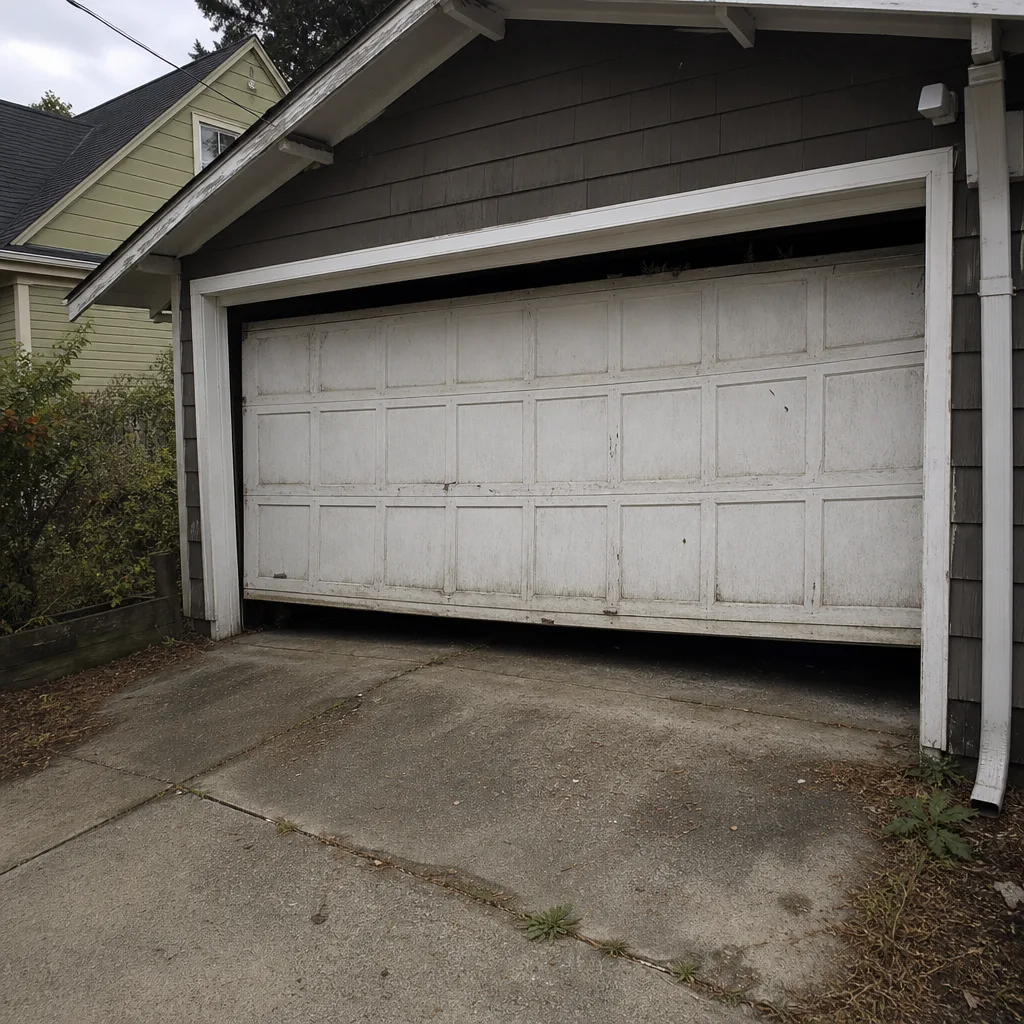 Before
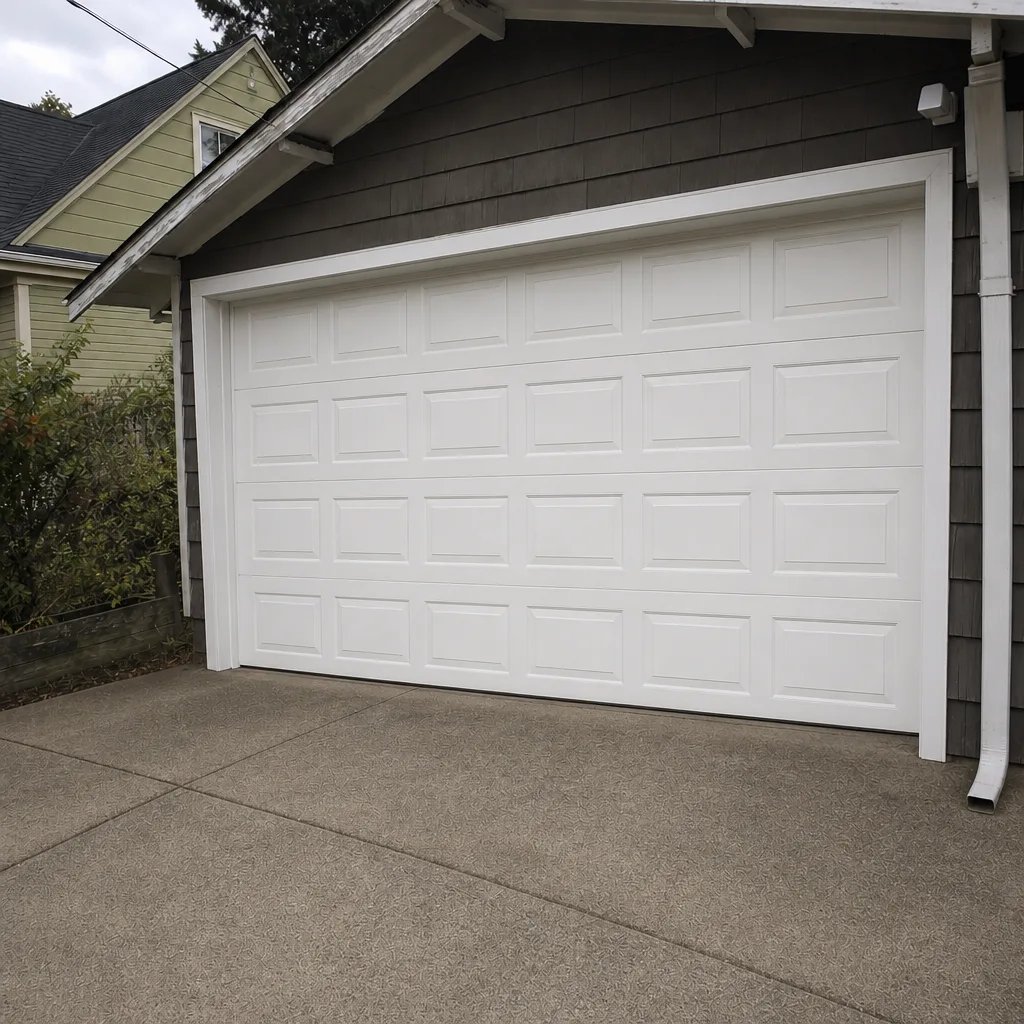 After
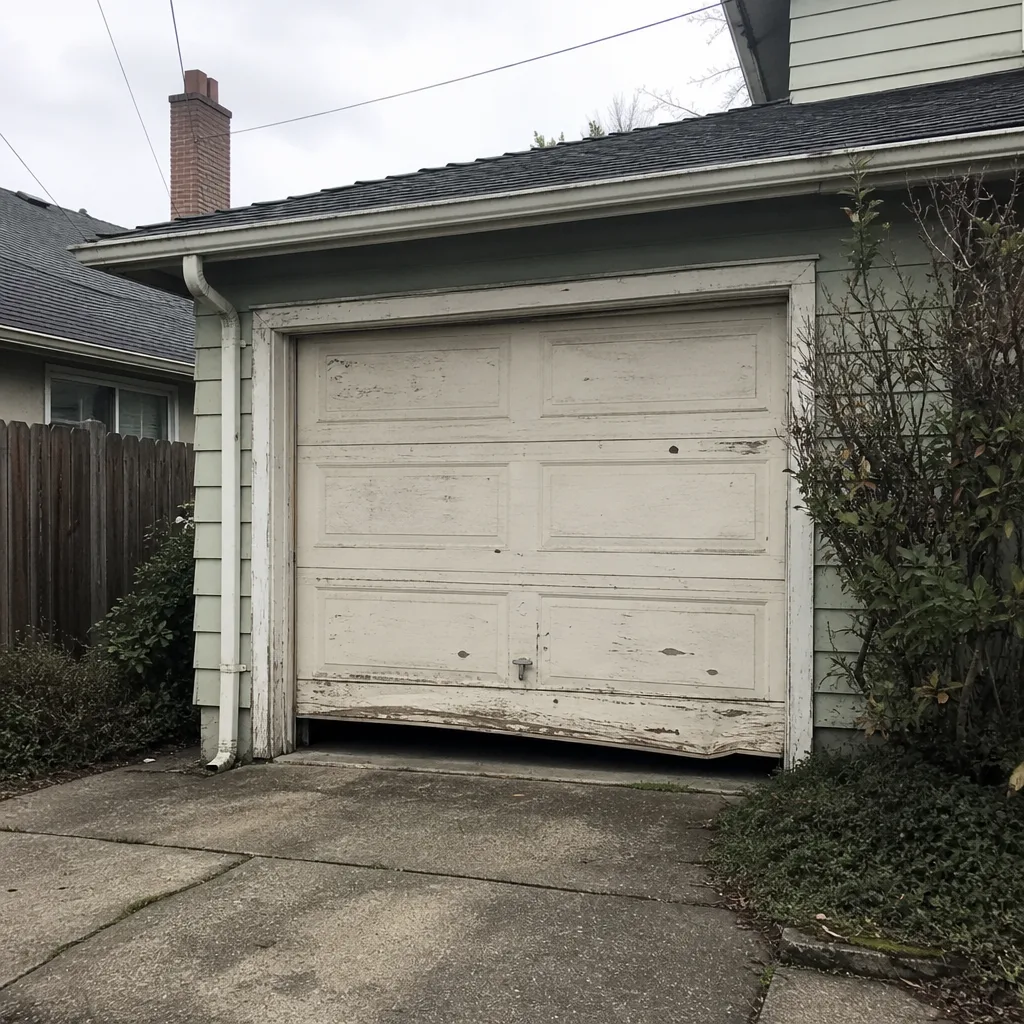 Before
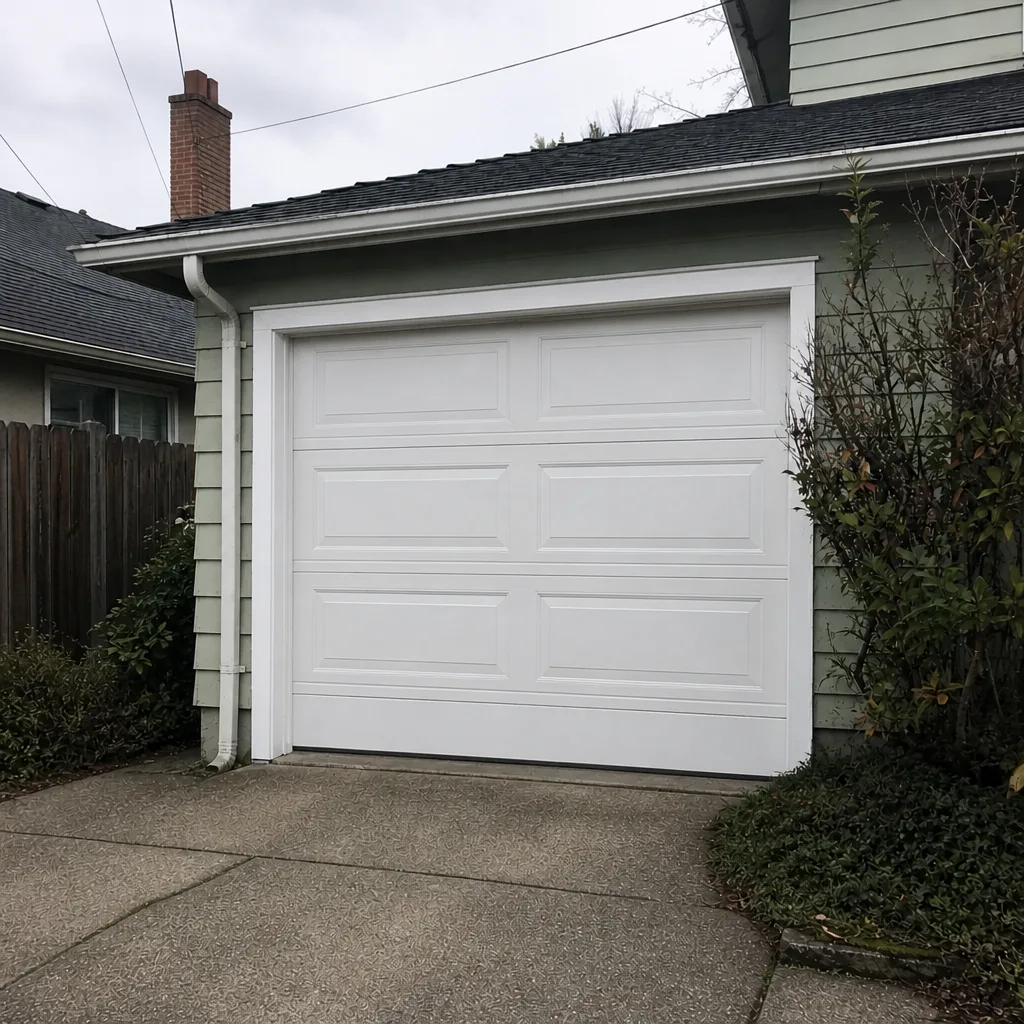 After
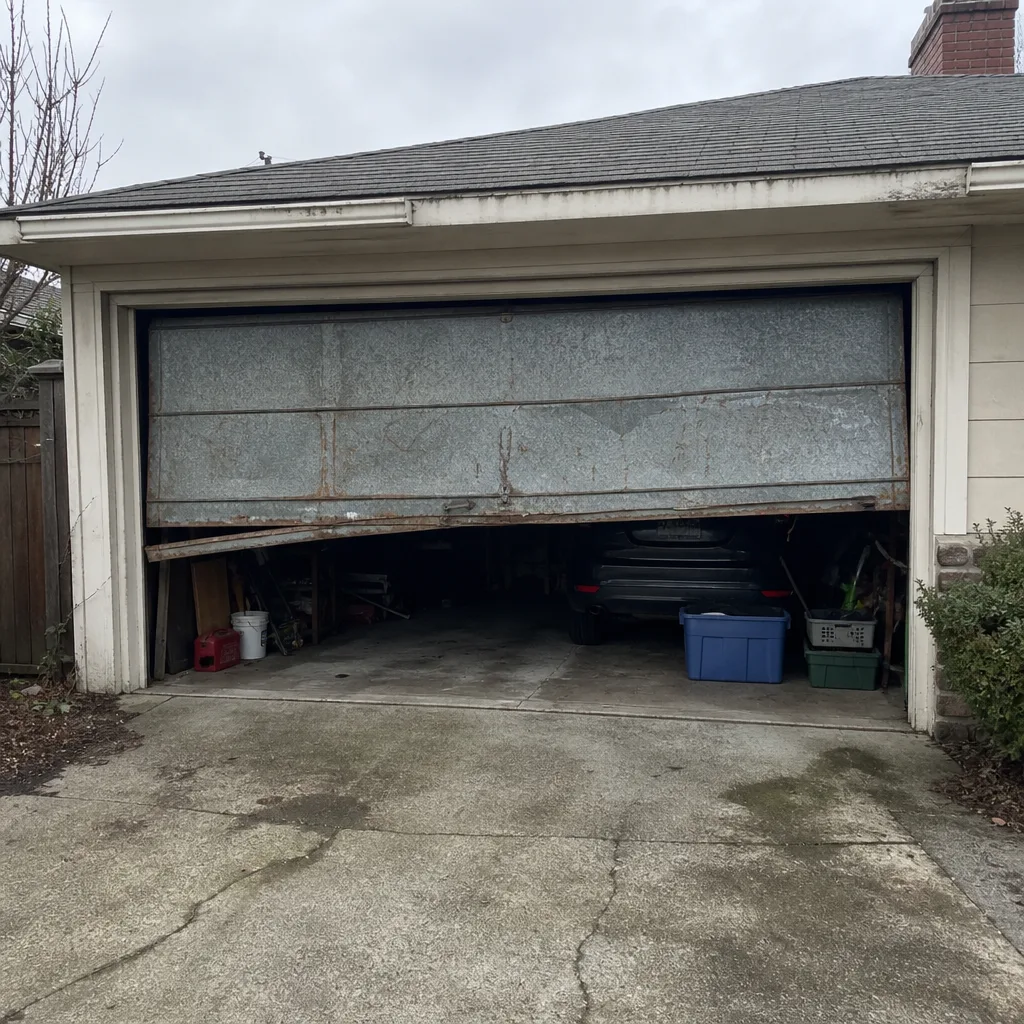 Before
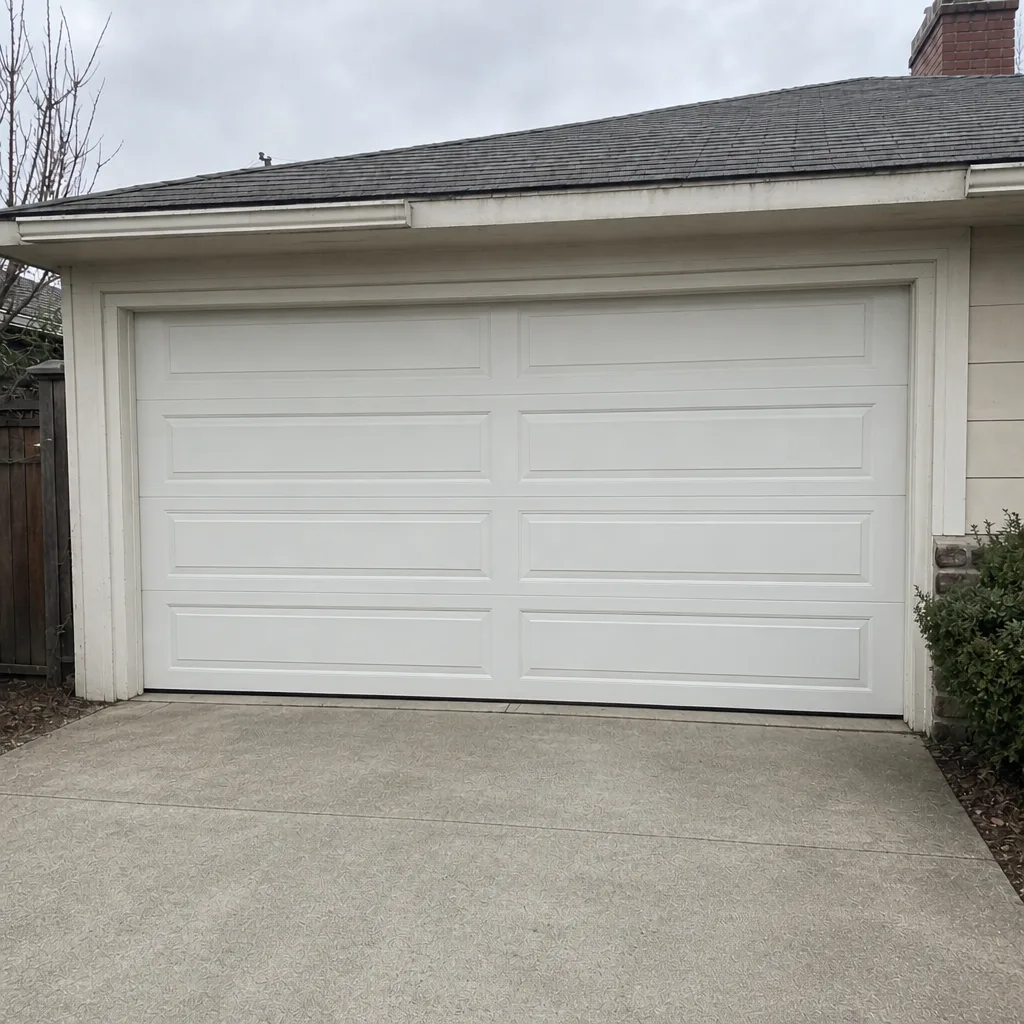 After
Frequently Asked Questions
Typical emergency garage door repair in Ballard ranges roughly $150 to $450 depending on what failed, with spring replacement usually falling in the $200 to $400 range per spring and a matched pair costing roughly double that. Opener repairs are often in the $120 to $280 range, while track and roller repairs usually fall between $100 and $250. A bent track that needs replacement plus a realigned door can push higher. Every price is an estimate until a technician sees the door, and the written quote we give you is the price – it doesn’t change once the work starts. Call (866) 937-8805 for an exact quote – estimates are free.
Yes, we run same-day service on repair and emergency calls in Ballard, with fast dispatch during our working hours. If you call with the door brand, the opener brand, and a description of the symptom, we can usually tell you on the phone whether it’s a today call or something that can wait for an appointment. Call (866) 937-8805 – the sooner we have the details, the sooner we can get a technician headed your way.
No. The price is quoted and agreed before any work starts, and the written estimate sets the final price. If a technician finds additional damage during the job – a cracked hinge, a worn roller, a cable that’s starting to fray – we tell you before we touch it and you decide whether to proceed. Nothing gets added to the invoice without your approval first. That’s the whole point of an upfront quote.
No, it isn’t safe to open a door by hand with a broken spring. The spring is what balances the door’s weight, and without it you’re lifting the full door while only the cables hold it in line. A cable can slip, a panel can buckle, or the door can drop. Keep the door closed and call a technician. If you’re unsure whether the spring is broken, call (866) 937-8805 and we’ll help you confirm from a safe distance.
Most often, the opener has lost its travel limits or force settings after the power surge from the grid re-energizing, or the safety sensors need to be re-aligned. Start by checking that the sensors at the bottom of the tracks are lit, aligned, and clear of cobwebs or debris. If the opener still won’t respond, the logic board or the receiver may have taken a hit. That’s a garage door repair call, and we can usually diagnose it by phone with your opener model number.
Very likely, yes. We regularly work on LiftMaster, Chamberlain and their myQ systems, Genie, Craftsman, and the major door brands Clopay, Amarr, Wayne Dalton, and Raynor. We don’t require brand swaps – the goal is to get your existing system working again. If your opener is an older or unusual model, call (866) 937-8805 and we’ll tell you whether we can source parts for it before you schedule.
The Bottom Line
Ballard garage door emergencies come down to three scenarios – storms, broken springs, and power outages – and each has a specific first response. Pull the release cord only with the door closed and the doorway clear. Leave a door with a broken spring closed and call a technician. Shut the opener off if the track is bent. And before any of those happens, walk out to the garage and find your manual release cord and record your door and opener models. That five minutes is the difference between a quick repair and a long day. Call (866) 937-8805 for a free estimate.
Contact
If your Ballard garage door is stuck, broken, or unresponsive, call (866) 937-8805 for a free estimate. We dispatch fast, work on the system you already own, and quote the price before any work starts.
Written by the team at Garage Door Repair Ballard.